
Flat Roof Inspection Checklist
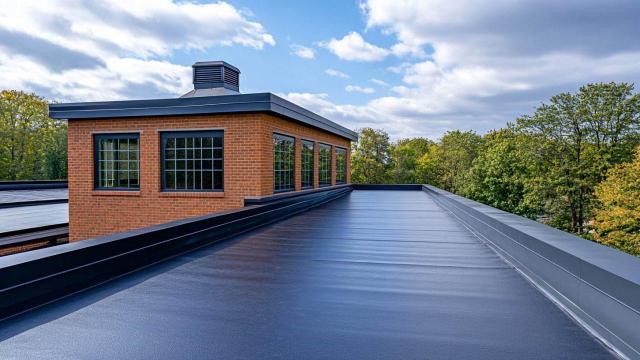
Flat roofs are widely used on residential and commercial buildings, especially in urban areas where space efficiency is important. While flat roofs provide practical benefits, they also require regular inspections to ensure they remain in good condition. Because these roofs have a low slope, water does not drain as quickly as on pitched roofs. This makes inspections especially important for preventing leaks, structural damage, and costly repairs.
A flat roof inspection checklist helps property owners identify potential issues early and maintain the durability of the roofing system. By performing regular inspections and addressing small problems before they become serious, homeowners can extend the life of their roof and protect their property from water damage.
Why Regular Flat Roof Inspections Are Important
Flat roofs are constantly exposed to weather conditions such as rain, snow, sunlight, and temperature changes. Over time, these elements can weaken roofing materials and cause small cracks, punctures, or seam separation.
Routine inspections allow property owners to detect early warning signs before they turn into costly problems. A small leak, for example, may seem minor at first but can eventually cause damage to insulation, ceilings, walls, and even the structural components of a building.
Preventive roof maintenance is widely recommended by construction and building professionals. According to the National Institute of Building Sciences, regular building inspections and maintenance are key strategies for extending the lifespan of building systems and reducing long-term repair costs.
When to Inspect a Flat Roof
Flat roofs should generally be inspected at least twice per year. The most common times for inspections are during the spring and fall seasons.
Spring inspections help identify damage that may have occurred during winter months due to snow, ice, or freezing temperatures. Fall inspections prepare the roof for winter weather by ensuring drainage systems are clear and roofing materials remain intact.
In addition to seasonal inspections, roofs should also be checked after major storms. Heavy rain, strong winds, or hail can damage roofing membranes and create vulnerabilities that may lead to leaks.
Flat Roof Inspection Checklist
A thorough roof inspection involves checking multiple components of the roofing system. The goal is to identify signs of wear, water intrusion, or structural concerns.
A typical flat roof inspection checklist includes:
- Checking the roof surface for cracks, punctures, or blisters
- Looking for signs of ponding water or poor drainage
- Inspecting seams and joints between roofing materials
- Examining flashing around vents, skylights, and roof edges
- Checking roof drains and gutters for blockages
- Inspecting parapet walls for cracks or damage
- Looking for debris, leaves, or dirt accumulation on the roof
- Checking the interior ceiling for water stains or moisture
These inspection steps help identify areas that may require maintenance or repair.
Common Problems Found During Flat Roof Inspections
During inspections, several common issues may appear on flat roofs. One of the most frequent problems is ponding water. When water remains on the roof for extended periods, it can weaken the roofing membrane and eventually lead to leaks.
Another common issue is damage to flashing around roof penetrations such as chimneys, vents, and skylights. Flashing protects vulnerable areas where water could enter the building, so damage to these components should be addressed quickly.
Roof membrane deterioration is also a common concern. Over time, UV exposure and temperature fluctuations can cause roofing materials to crack or become brittle.
In addition, debris buildup can block drainage systems and trap moisture on the roof surface. Regular cleaning and inspections help prevent these problems from developing.
The Role of Professional Roof Inspections
While homeowners can perform basic visual checks, professional roof inspections provide a much more detailed evaluation. Roofing contractors have the experience and tools necessary to identify issues that may not be visible from the ground.
In many cases, property owners work with experienced contractors such as Umbrella Roof Company to assess the condition of their flat roofs and determine whether repairs or maintenance are required.
Professional inspections can also include moisture detection, membrane testing, and structural evaluations that help determine the overall health of the roofing system.
Tips for Maintaining a Flat Roof
Regular inspections should be combined with proper roof maintenance. Simple maintenance practices can significantly improve roof performance and longevity.
Keeping roof drains clear of debris helps prevent water accumulation. Trimming nearby tree branches reduces the risk of debris buildup and potential roof damage during storms.
It is also helpful to document inspection results and keep records of maintenance work. These records can be useful when planning repairs or evaluating the roof’s overall condition over time.
Final Thoughts
Flat roofs are durable and efficient, but they require consistent care to remain effective. Regular inspections allow property owners to identify small problems before they become major structural issues. By following a flat roof inspection checklist and maintaining proper drainage and roofing materials, homeowners can significantly extend the lifespan of their roof.
Working with experienced roofing professionals and performing routine inspections ensures that flat roofs continue to protect buildings from water damage, weather exposure, and structural deterioration for many years.