
Clean Transit on the California Coast - Ventura's Journey Toward Sustainable Mobility
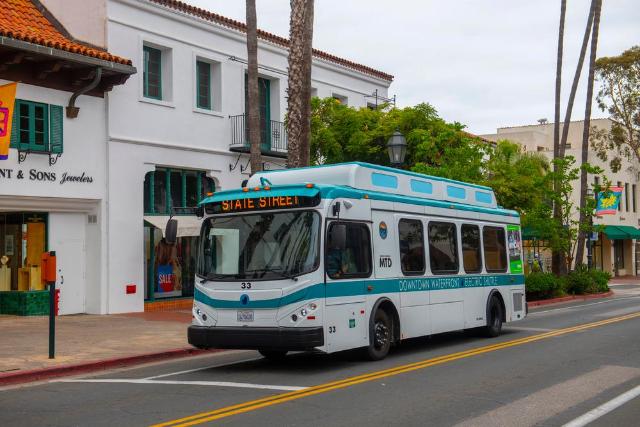
Image Source: depositphotos.com
Across California’s coast, cities are rethinking how people move in response to climate change, congestion, and rising energy costs. Ventura, with its blend of historic infrastructure and coastal geography, has become a case study in multimodal transformation. Its transportation strategy emphasizes integration, linking buses, trains, trails, and electric mobility, to create a system that is clean, resilient, and accessible.
From Ocean Breeze to Carbon-Free Commutes
Ventura’s coastal setting makes it especially vulnerable to climate change, with rising sea levels and frequent coastal storms posing long-term challenges. The good news is that the number of full-size zero-emission transit buses funded, ordered or delivered grew by ~14% in 2024 to a total of 7,026 vehicles in the U.S.
Reducing emissions from transport, one of the largest local sources of greenhouse gases, has become a central goal for the region. Public agencies have recognized that sustainable mobility is not only about cleaner air but also about maintaining livable, connected communities where residents can move efficiently without relying solely on private vehicles.
Transitioning toward a multimodal, low-carbon system has required strategic planning and community involvement. Ventura’s approach reflects California’s broader environmental goals but adapts them to the city’s smaller scale and coastal geography. Efforts focus on integrating electric public transit, pedestrian and cycling corridors, and resilient infrastructure capable of withstanding coastal and seismic risks.
The Green Vision - Policy and Planning Foundations
At the policy level, Ventura’s regional planners have committed to a long-range transportation framework that prioritizes emissions reduction, accessibility, and climate resilience. This comprehensive plan seeks to align infrastructure projects with state environmental standards, including targets for reduced car dependency and higher public-transit ridership.
Community participation is a cornerstone of this vision. Workshops, surveys, and open meetings have guided project priorities, ensuring that residents’ needs inform the allocation of public funds. The result is a planning process that emphasizes transparency, measurable sustainability outcomes, and cross-agency coordination, a model for how small coastal cities can pursue environmental progress through inclusive governance.
Shared Mobility and First-Mile, Last-Mile Solutions
A major strength of Ventura’s system is how different transport modes connect rather than compete. Commuter rail and regional bus lines are coordinated with local routes, allowing passengers to transition smoothly between long-distance travel and neighborhood destinations.
Park-and-ride facilities, timed transfers, and accessible stops help close the gap between stations and residential areas, addressing the first-mile and last-mile challenge that often limits public-transit use.
Micro-mobility options, such as shared bikes, scooters, and community car-shares, further extend reach and convenience. These services fill critical mobility gaps for people without cars, offering affordable alternatives for short trips. By combining large-scale transit with flexible local mobility, Ventura reduces congestion and broadens access to sustainable transport for a wide range of users.
Walking and Biking the Coast - Active Transit as a Lifestyle
Ventura’s scenic coastline has naturally encouraged the development of safe, continuous bike and pedestrian routes. The Ventura River Parkway Trail and connected coastal bikeways provide not just recreation but also viable commuter corridors linking neighborhoods, schools, and business districts.
Pedestrian safety has become a planning priority through improved crosswalks, signalized intersections, and roadside visibility measures. Streetscape projects have introduced wider sidewalks, shade trees, and accessibility ramps, reinforcing walking as a legitimate daily mode of travel rather than an afterthought.
Preparing for Tomorrow - Smart Infrastructure and Climate Resilience
Building for the future in a seismically active and coastal region demands infrastructure that is both intelligent and durable. Ventura has begun integrating sensor-based traffic systems, adaptive signal controls, and data-driven maintenance planning to optimize flow and reduce congestion.
Intelligent traffic controls not only reduce congestion but also prevent collisions. In cases where accidents still happen, consulting with a knowledgeable Ventura car accident lawyer ensures that your rights are properly maintained.
Resilience measures are embedded in roadway design and materials selection to handle flooding, erosion, and potential seismic activity. Transit hubs and critical corridors are being evaluated for structural reinforcement and emergency accessibility.
Electrifying the Ride - Buses and Fleet Modernization
Ventura’s transition to electric and hybrid public-transport fleets has been one of its most visible sustainability efforts. The adoption of clean-energy vehicles has cut fuel consumption and emissions while lowering operating costs over time.
Charging infrastructure has been expanded at key depots, with renewable-energy integration where possible, to ensure that fleet modernization does not simply shift emissions elsewhere in the energy chain.
Fleet electrification also brings public-health benefits by improving air quality in densely populated corridors. Quiet, low-emission vehicles reduce noise and pollution exposure for pedestrians, cyclists, and nearby residents. These upgrades show how infrastructure investments can combine environmental benefits with everyday quality-of-life improvements for local communities.
Community on the Move - Education and Equity
Public engagement campaigns have helped residents understand the social and economic value of sustainable mobility. Equity remains central to Ventura’s approach. Transit upgrades include fare-reduction programs for low-income riders and accessible paratransit for older adults and people with disabilities.
Programs promoting car-free commuting days, school-based bike education, and senior transit accessibility foster a sense of shared responsibility for cleaner air and safer streets. According to the League’s data hub, U.S. states show an average 20% increase in bicycling-to-work rate and 6% increase in transit-to-work rate over recent years.
A Coastal Model for the Future
Ventura’s experience illustrates how local commitment and integrated planning can yield measurable progress toward sustainable mobility. Its approach, combining electric fleets, multimodal integration, and active transport investment, reflects a balanced response to environmental and social needs. The result is a city increasingly defined by accessibility and environmental stewardship rather than car dependency.
As climate pressures intensify along the California coast, Ventura stands as an example of how smaller cities can lead through innovation. Its clean-transit network continues to evolve, proving that sustainability is not a luxury but a practical foundation for resilient, connected, and livable communities.
Conclusion
Ventura’s path toward sustainable transport shows that environmental leadership begins with local action. Through coordinated planning, technological modernization, and public engagement, the city has created a transportation model that balances ecology, equity, and efficiency. Its success underscores a broader lesson: when mobility systems are designed to serve people and the planet alike, they become more than infrastructure, they become the framework for a sustainable future.