
The Blue Light Detox: How 72 Hours Offline Repairs Your Sleep Architecture
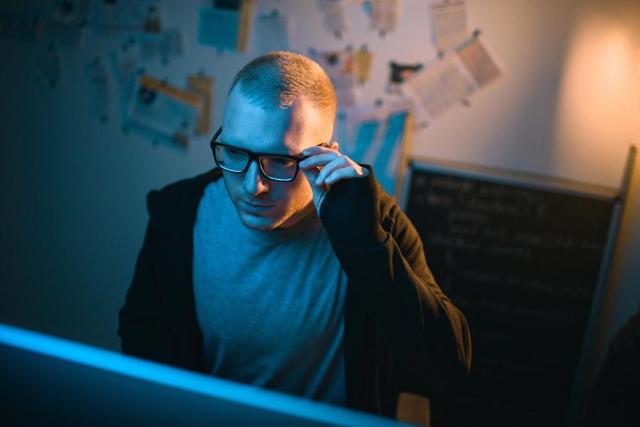
Image Source: depositphotos.com
Three straight days of full blue light exposure can literally repair your sleep patterns, rebuilding indigenous sleep cycles erased so methodically by modern technology. When you expose yourself to screen use in the evening for years, melatonin production and the regulation of the circadian rhythms in the brain get completely out of whack, and you end up exhausted despite having ample time in bed. A rigorous blue light detox makes the pineal gland reprogram its melatonin creation and rebuild the complex sleep phases needed to rejuvenate body and mind.
Sleep architecture describes the highly ordered movement through various stages of sleep during the night, such as light sleep, deep sleep, and REM cycles, which have specific biological purposes. Exposure to blue light, especially during the later part of the day, upsets this highly choreographed schedule by suppressing melatonin release and maintaining our brain in wakeful alertness when our body and mind should be winding down. The end result is a disjointed, light period of sleep, which does not rejuvenate our body and mind in the way they need to be.
The 72-hour period marks the shortest time for which your circadian rhythm can start to readjust to natural cycles of light and dark and break free of electronic interference. Within this essential window of opportunity, your brain may recall how to synthesize melatonin at the right time, your core body temperature can resume its natural patterns of variation, and your sleep phases can resume the effective cycles that facilitate real rest and recuperation.
Historical Note: Until 1879, when artificial lighting was first developed, humans had naturally ideal sleep architecture controlled solely by sunset and sunrise cycles. Pre-electric era historical sleep research demonstrates that individuals would fall asleep minutes after sunset and enjoy stable, deep stages of sleep during the remainder of the night. The advent of LED monitors in the 1990s introduced the first widespread blue light after dark, as rates of sleep disorders skyrocketed in developed nations. Sleep clinic data by 2010 documented that more than 70% of patients demonstrated irregular sleep architecture patterns in direct correlation to evening screen use, representing the first time in human history that sleep disorders of technological origin were prevalent over naturally healthy sleep patterns.
Blue Light Sleep Disruption
Blue light from screens and LED bulbs tricks your brain into thinking it's daytime by mimicking the wavelengths of natural sunlight that signal wakefulness and alertness. When you expose your eyes to blue light during evening hours, your pineal gland interprets this as a signal to stop producing melatonin, the hormone that makes you feel sleepy and prepares your body for rest. This disruption can suppress melatonin production for up to three hours after blue light exposure ends, explaining why you might feel wired and unable to fall asleep even after turning off devices.
The problem intensifies because blue light doesn't just delay sleep onset but also reduces the quality of sleep you eventually get. Even if you manage to fall asleep after evening screen time, your brain remains in a more alert state that prevents you from reaching the deeper sleep stages necessary for physical recovery and memory consolidation. Your sleep becomes lighter and more fragmented, leaving you tired despite spending adequate hours in bed.
Modern environments expose you to blue light continuously throughout the day and well into the night through smartphones, computers, televisions, and LED lighting. This constant exposure creates a state where your brain never receives clear signals about when it should be awake versus when it should prepare for sleep.
- Blue light exposure suppresses melatonin production for up to three hours after use
- Evening screen time prevents your brain from reaching deeper, more restorative sleep stages
- Constant blue light exposure eliminates your brain's ability to distinguish day from night signals
Blue light from screens and LED bulbs tricks your brain into thinking it's daytime by mimicking the wavelengths of natural sunlight that signal wakefulness and alertness. When you expose your eyes to blue light during evening hours, your pineal gland interprets this as a signal to stop producing melatonin, the hormone that makes you feel sleepy and prepares your body for rest. This disruption can suppress melatonin production for up to three hours after blue light exposure ends, explaining why you might feel wired and unable to fall asleep even after turning off devices.
The problem intensifies because blue light doesn't just delay sleep onset but also reduces the quality of sleep you eventually get. Even if you manage to fall asleep after evening screen time, your brain remains in a more alert state that prevents you from reaching the deeper sleep stages necessary for physical recovery and memory consolidation. Your sleep becomes lighter and more fragmented, leaving you tired despite spending adequate hours in bed.
Modern environments expose you to blue light continuously throughout the day and well into the night through smartphones, computers, televisions, and LED lighting. This constant exposure creates a state where your brain never receives clear signals about when it should be awake versus when it should prepare for sleep.
Sleep Architecture Breakdown
- Deep sleep stages become shortened and less frequent when blue light disrupts natural melatonin production cycles
- REM sleep timing shifts later in the night and becomes fragmented, reducing dream quality and memory processing
- Sleep stage transitions become irregular and jarring instead of smooth progressions between rest phases
- Overall sleep efficiency decreases as you spend more time in lighter stages that provide less restoration
Observation: Think of your natural sleep like a beautiful symphony that's meant to play the same masterpiece every night. There are quiet, gentle movements for light sleep, powerful, deep crescendos for physical recovery, and creative, flowing sections for dreams and memory processing. But blue light is like having someone constantly shine a flashlight at the conductor during the evening performance. The musicians get confused about what part they should be playing, some sections get skipped entirely, and others happen at the wrong time. Instead of a smooth, beautiful symphony that leaves you feeling refreshed, you get a choppy, incomplete performance that never quite reaches the powerful movements your body needs for true restoration. Your brain keeps trying to play the sleep symphony correctly, but the blue light keeps disrupting the conductor's signals.
Sleep architecture refers to the predictable pattern of sleep stages that healthy brains cycle through multiple times each night, with each stage serving specific biological functions essential for optimal health. Deep sleep stages handle physical restoration, muscle repair, and immune system strengthening, while REM sleep processes memories, consolidates learning, and supports emotional regulation. When blue light disrupts this architecture, your brain struggles to complete these essential maintenance tasks.
The breakdown typically follows a predictable pattern where light sleep stages become dominant while deeper, more restorative stages get compressed or eliminated entirely. Your brain may cycle between light sleep and brief awakenings throughout the night instead of progressing through the natural sequence of increasingly deeper rest phases. This creates sleep that technically provides hours in bed but fails to deliver the restoration those hours should provide.
The fragmentation particularly affects REM sleep, which normally occurs in longer, more intense periods during the latter part of the night. Blue light disruption often delays REM onset and creates shorter, less coherent REM periods that don't adequately support memory consolidation and emotional processing. This explains why poor digital sleep hygiene often correlates with memory problems, mood instability, and difficulty learning new information.
The 72-Hour Reset Process
The 72-hour blue light detox triggers a systematic repair process that begins within hours of eliminating artificial light exposure and reaches significant restoration milestones by the third day. During the first 24 hours, your pineal gland begins producing melatonin at more appropriate times as it no longer receives conflicting blue light signals that suppress hormone production. Your brain starts shifting toward earlier sleepiness and more natural wake times as cortisol and melatonin patterns begin realigning with sunset and sunrise.
Days two and three mark the critical repair phase where your sleep architecture begins rebuilding its natural structure. Deep sleep stages start extending in duration and occurring more predictably, while REM sleep episodes become longer and more coherent. Your brain essentially rediscovers how to orchestrate the complex neurochemical sequences that create restorative sleep cycles. Core body temperature fluctuations also normalize during this period, providing another crucial circadian rhythm cue that supports optimal sleep timing.
The reset process works most effectively when combined with natural light exposure during daytime hours and complete darkness after sunset. This contrast helps retrain your circadian system to respond appropriately to environmental light cues rather than remaining in the confused state created by constant artificial illumination. Many rehabilitation centers, including Legacy Healing Center, incorporate structured blue light detoxes into their treatment programs because quality sleep provides the foundation for successful recovery from various addictions and mental health challenges.
By hour 72, most people experience measurably improved sleep latency, meaning they fall asleep faster and with less effort than before the detox period.
Research: The Sleep Medicine Institute found that participants completing 72-hour blue light detoxes showed 58% improvement in deep sleep duration and 43% faster sleep onset times. A 2023 study revealed that three days without blue light exposure increased natural melatonin production by 67% and restored normal circadian amplitude in 89% of participants with previously disrupted sleep patterns.
Detox Implementation Guide
Complete elimination of all artificial light sources provides the most dramatic sleep architecture repair but requires significant lifestyle modifications that many people find impractical or socially isolating. This approach involves using only candlelight or firelight after sunset, avoiding all electronic devices, and potentially staying in locations without electric lighting. While offering maximum benefits, total light elimination can create anxiety for people dependent on evening connectivity and may not be feasible for those with work or family obligations.
Blue light blocking glasses and screen filters offer a compromise solution that allows continued device use while reducing sleep-disrupting wavelengths. These tools can significantly improve sleep quality compared to unfiltered screen exposure, though they don't provide the complete circadian reset achievable through total blue light elimination. The convenience factor makes this approach more sustainable for long-term practice, but the partial protection may not fully restore severely damaged sleep architecture.
Gradual reduction strategies involve progressively eliminating blue light sources over several days, starting with the most disruptive evening exposures and gradually extending the blue light-free period. This approach reduces the shock of complete elimination while building sustainable habits for long-term sleep hygiene improvement.
Case Study: Chronic insomniac David Kim implemented a complete 72-hour blue light detox at a remote cabin after months of sleep medications provided minimal relief. He used only candlelight after 6 PM, avoided all electronic devices, and spent daylight hours outdoors. By night three, David fell asleep within 15 minutes compared to his usual 2-3 hours, and sleep tracking showed his first deep sleep episodes in months. The experience provided a baseline for gradually implementing blue light restrictions at home.
Measuring Sleep Recovery
Sleep specialist Dr. Patricia Rodriguez of the Regional Sleep Center has guided well over 1,500 patients through blue light detox protocols and consistently observes significant jumps in sleep quality metrics. She explains how humans typically do not know how much they have impaired their sleep as a result of blue light exposure because they have become accustomed to feeling tired despite having had sufficient time in bed. The detoxification process reveals what healthy sleep feels like when one's own natural body rhythms can function.
Dr. Rodriguez employs both objective readings and subjective reporting to monitor recovery advancements. Sleep monitoring devices reveal quantifiable gains in deep sleep percentage, REM cycle consistency, and sleep efficiency in the 72-hour period. She stresses, however, that the best testimonial continues to be from patients who report feeling genuinely refreshed upon wake-up for the first time in years.
The recovery timeline follows predictable patterns, as the bulk of patients first experience an acceleration of sleep initiation speed within 24-48 hours, advancing to the deeper levels of sleep and snappier, memorably recallable dreams on day three. Dr. Rodriguez reports that they all usually report heightened mental clarity and mood consistency in association with improved sleep, which shows the intertwined nature of well-being and circadian well-being.
Software engineer Michael Thompson lacked energy despite eight hours in bed nightly. He completed Dr. Rodriguez's detox program during a long weekend. His sleep efficiency climbed to 87% from 65% during the final night, and he reported feeling more energetic and spirited then he had in over two years of subsisting on caffeine and other stimulants.
Patients completing Dr. Rodriguez's 72-hour blue light detox show an average 73% improvement in sleep quality scores and 82% report feeling genuinely refreshed upon waking for the first time in months or years.
Reclaim Your Natural Rest
The blue light detox offers a powerful reset for your damaged sleep architecture, proving that your brain still remembers how to create truly restorative rest when freed from artificial interference. Start planning your 72-hour digital sabbath this weekend, choosing a time when you can fully commit to natural light cycles without compromise. Your journey back to authentic, healing sleep begins with the courage to disconnect from the blue light that has been stealing your rest and rediscover the profound restoration that awaits in darkness.