
Beyond Wearables: How Remote Patient Monitoring Shapes Care Delivery
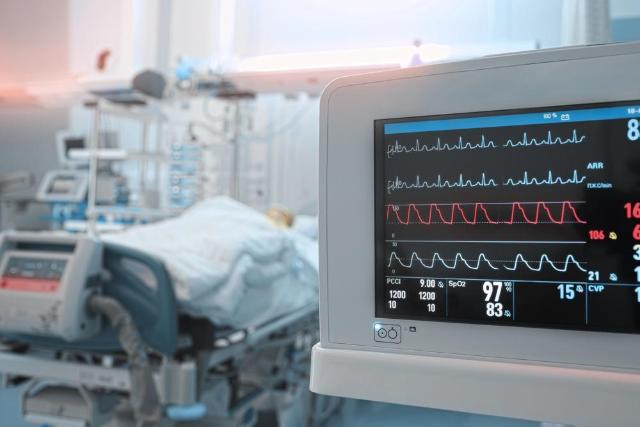
Image Source: depositphotos.com
The healthcare industry has entered an era where the boundaries between in-person visits and digital health interactions are becoming increasingly blurred. Remote Patient Monitoring (RPM) sits at the forefront of this transformation, enabling physicians to track, analyze, and respond to patient health data in real time. While wearables such as smartwatches laid the groundwork, RPM has moved beyond step counts and heart-rate alerts. It now serves as a critical pillar of value-based care, reshaping how medical professionals manage chronic conditions, enhance patient engagement, and improve clinical outcomes.
The Evolution of Remote Patient Monitoring
RPM began as a tool to extend care to patients outside the traditional healthcare setting. Early efforts focused on transmitting simple biometric data—blood pressure, glucose levels, or weight—from a patient’s home to a clinician’s dashboard. Today, RPM platforms leverage cloud computing, mobile apps, and interoperable EHR systems to deliver a comprehensive, real-time picture of patient health.
This evolution coincides with broader healthcare priorities. Value-based care models reward providers for better outcomes, not just more visits. RPM enables proactive interventions that prevent hospital readmissions, reduce unnecessary ER utilization, and lower overall costs. It also creates opportunities for more personalized care, where treatments adapt dynamically to changing patient needs.
Beyond Wearables: Expanding the RPM Ecosystem
While consumer wearables like Fitbit and Apple Watch introduced patients to health tracking, clinical-grade RPM devices extend far deeper into chronic disease management. Examples include:
- Continuous Glucose Monitors (CGMs): Empower diabetic patients to track glucose trends and help providers make timely medication adjustments.
- Bluetooth-Enabled Blood Pressure Monitors: Provide physicians with accurate daily readings, critical for managing hypertension.
- Pulse Oximeters and Respiratory Sensors: Widely adopted during the COVID-19 pandemic to monitor oxygen saturation remotely.
- Weight Scales for Congestive Heart Failure Patients: Detect early signs of fluid retention to avoid hospitalization.
These tools integrate seamlessly with healthcare platforms, ensuring the data flows into a patient’s digital record. Physicians gain actionable insights, while patients feel supported between visits.
How RPM Redefines Care Delivery
1. Proactive Disease Management
RPM shifts care from reactive treatment to proactive intervention. By monitoring patients continuously, clinicians can identify concerning patterns before they escalate into emergencies. For example, an abnormal blood pressure trend may prompt a physician to adjust medication during a telehealth visit, avoiding complications that could result in hospitalization.
2. Patient Engagement and Empowerment
When patients see their data in real time, they become more invested in their health. RPM fosters accountability and self-management, which improves adherence to treatment plans. Many platforms also include educational resources, reminders, and alerts, reinforcing healthier habits.
3. Streamlined Clinical Workflows
Providers often worry that more data will increase administrative burdens. However, with proper integration into Electronic Health Records (EHRs), RPM automates much of the data capture and organization. Intelligent dashboards highlight only clinically relevant changes, reducing “alert fatigue” while enabling physicians to focus on critical decision-making.
4. Better Outcomes with Lower Costs
Studies have shown that RPM programs reduce hospital readmissions, shorten recovery times, and improve chronic disease management. For payers and providers under value-based care models, these efficiencies translate into financial sustainability and stronger patient loyalty.
The Role of Supporting Services: Credentialing, Coding, and RCM
While RPM transforms frontline care delivery, its success also relies on efficient back-office operations. Three areas stand out:
Medical Credentialing Services
For physicians and allied health professionals participating in RPM programs, credentialing remains a vital step. Payers and hospitals require providers to be verified before offering remote monitoring services. Reliable Medical Credentialing Services ensure compliance with payer requirements, speed up enrollment, and allow providers to bill for RPM services without unnecessary delays. As demand for virtual care grows, credentialing helps practices onboard new clinicians faster and maintain trust across networks.
AI Medical Coding
Accurate coding underpins reimbursement for RPM-related services. Traditional manual coding can struggle with the complexity of new telehealth and remote monitoring codes. AI Medical Coding solutions streamline this process by automatically analyzing clinical notes and assigning the correct CPT and ICD-10 codes. This minimizes errors, accelerates claims submission, and reduces the risk of denials. With AI-driven coding, healthcare organizations can focus more on patient care and less on navigating the coding labyrinth.
RCM Services
The introduction of new billing codes for RPM creates both opportunities and challenges. Practices that lack expertise in remote care billing may face high denial rates or delayed reimbursements. Comprehensive RCM Services (Revenue Cycle Management) help practices capture revenue efficiently by managing eligibility verification, claims submission, payment posting, and denial management. Partnering with specialized RCM providers ensures that RPM programs remain financially sustainable while aligning with regulatory requirements.
CureMD: Powering Clinical Operations with EHR-Integrated RPM
As RPM continues to expand, technology partners play a crucial role in helping physicians manage the influx of data without sacrificing productivity. CureMD stands out as a leader in this space, offering EHR solutions designed to optimize clinical operations and support innovative care models.
Seamless RPM Integration
CureMD’s EHR integrates seamlessly with remote monitoring devices, ensuring patient data flows directly into the clinical record. This reduces the need for manual data entry and minimizes errors, giving physicians more time to focus on patient care.
Boosting Clinical Efficiency
The platform’s intelligent dashboards flag high-priority alerts while filtering out routine data. Physicians can quickly identify which patients require attention, improving response times and reducing staff workload. CureMD’s interoperability also ensures smooth communication across care teams, enhancing coordination for complex cases.
Supporting Revenue Growth
With built-in billing and compliance support, CureMD helps practices capture reimbursement for RPM services more effectively. Features like automated eligibility checks, integration with AI Medical Coding tools, and alignment with RCM Services reduce claim denials and maximize revenue capture.
Driving Patient Engagement
CureMD’s patient portal and mobile app enhance engagement by giving patients access to their health data, reminders, and secure communication channels. These tools support better adherence and improve overall patient satisfaction.
In essence, CureMD empowers physicians to adopt RPM without disrupting their workflows, boosting both clinical performance and financial outcomes.
Challenges to Broader Adoption
Despite the benefits, RPM adoption faces hurdles:
- Data Overload: Without proper filtering, the sheer volume of patient-generated data can overwhelm clinicians.
- Reimbursement Uncertainty: Policies around RPM reimbursement vary by payer and state, creating confusion for providers.
- Patient Accessibility: Not all patients have access to reliable internet or feel comfortable using connected devices.
- Security Concerns: Continuous data transmission raises cybersecurity and privacy risks that must be addressed with HIPAA-compliant solutions.
Overcoming these challenges requires collaboration between technology vendors, regulators, and healthcare providers.
The Future of RPM
The future of RPM will likely be shaped by advancements in artificial intelligence, predictive analytics, and interoperability standards. Predictive RPM systems could forecast potential health crises before they occur, while tighter integration across EHRs will eliminate silos in care delivery. Moreover, as reimbursement models mature, providers will have stronger incentives to adopt RPM at scale.
Emerging partnerships between payers, device manufacturers, and healthcare organizations will further accelerate adoption. Ultimately, RPM will move from being an add-on service to becoming a standard component of holistic care delivery.
Conclusion
Remote Patient Monitoring represents more than a technological advancement—it signals a fundamental shift in how care is delivered. Beyond wearables, RPM offers a proactive, data-driven model that empowers patients, enhances outcomes, and strengthens financial sustainability for providers.
When supported by reliable Medical Credentialing Services, streamlined AI Medical Coding, and robust RCM Services, RPM programs can achieve their full potential. Solutions like CureMD’s EHR ensure that these programs not only fit seamlessly into clinical workflows but also drive measurable improvements in operational efficiency and patient satisfaction.
As healthcare continues its digital transformation, RPM will remain a cornerstone of modern care delivery—bridging the gap between hospital walls and patients’ everyday lives.