
Advanced Agricultural Operations Powered by Modern Tech
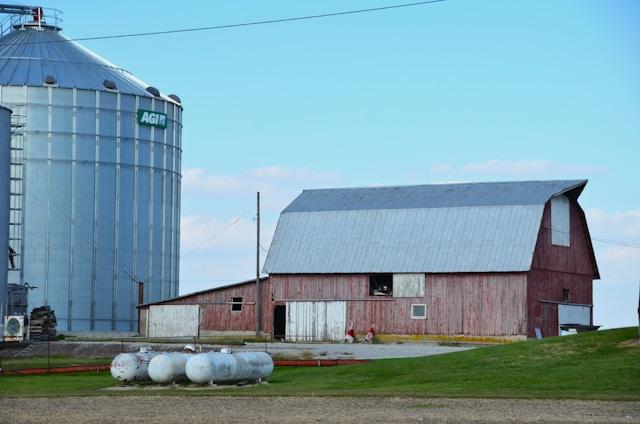
The agricultural sector has witnessed transformative technological advancements that have significantly improved productivity and sustainability.
As the world's population grows, farmers increasingly turn to modern solutions that optimize resources and improve crop yields.
This shift meets food demand and addresses pressing environmental concerns. Farmers now leverage innovative tools such as precision agriculture, automation, and data analytics, paving the way for a new era of farming.
Precision Agriculture
Precision agriculture utilizes advanced sensors, GPS, and IoT devices to monitor and manage farming operations with high precision. This approach allows farmers to collect data on soil conditions, crop health, and weather patterns.
Farmers can use this data to make well-informed decisions that improve resource allocation and crop management. Precision irrigation techniques can deliver water directly to the roots where it's needed most, minimizing waste.
Studies show that precision agriculture can increase crop yields by 10 to 20 percent and reduce input costs. This increase in efficiency preserves environmental resources and boosts farmers' bottom lines.
As technology continues to evolve, the integration of artificial intelligence and machine learning into precision agriculture systems offers even greater insights and predictive capabilities, enabling farmers to anticipate issues before they arise.
Greenhouse Technology
Greenhouse technology has evolved significantly, providing controlled environments that optimize crop growth regardless of weather conditions. Modern greenhouse setups incorporate advanced systems for temperature, humidity, and light control to create ideal growth conditions.
This level of control translates to higher yields and allows for year-round production. Facilities such as a greenhouse with first-class commercial greenhouse features maximize space and minimize resource use. The integration of renewable energy sources further improves sustainability by reducing carbon footprints.
Farmers can produce crops with minimal inputs and maximize outputs, providing a critical solution to global food challenges.
Automation in Agriculture
Automation technologies such as drones, robotic harvesters, and autonomous tractors are revolutionizing agricultural operations. These machines handle repetitive and labor-intensive tasks, allowing farmers to focus on strategy and decision-making.
Drones can monitor crop health, apply fertilizers, and even collect data on pest infestations, all and covering large areas much faster than human workers.
The use of automated machinery increases productivity significantly. According to research from the World Economic Forum, automation can contribute to a 70 percent increase in agricultural output.
This surge allows farmers to meet growing food demands and reduces the reliance on manual labor, which can be scarce in many regions. In short, automation is a game-changer in modern agriculture.
Informing Better Decisions
Data analytics is pivotal in modern agricultural operations, enabling farmers to leverage insights for better operational decisions.
Farmers can identify trends that affect production by examining data gathered from multiple sources, including yield maps, climate projections, product information, and regulatory data. For companies managing agricultural inputs, having accurate and up-to-date information on registrations, product labels, renewals, and compliance requirements is equally important for making informed decisions. Compass Regulatory combines regulatory expertise, software, and a comprehensive crop input database to help businesses manage this information more efficiently and maintain visibility across their regulatory operations.
Analyzing past harvests can help farmers identify which crops are best suited for their land and conditions, leading to optimized planting schedules.
Data-driven decisions reduce risks associated with unpredictable weather patterns and market fluctuations. The integration of big data analytics into agriculture empowers farmers to respond proactively to challenges, guaranteeing sustainability in their operations.
Smart Irrigation Systems
Water scarcity is a pressing issue in many agricultural regions, making efficient water management important.
Smart irrigation systems harness technology to optimize water use, significantly impacting crop yields and sustainability. These systems utilize sensors to monitor soil water levels and automatically adjust water delivery based on real-time data.
These systems can reduce water consumption by up to 50 percent, demonstrating a remarkable improvement in resource management.
Farmers increase output and protect a valuable resource by making sure crops receive the proper amount of water when they need it. Adopting these technologies is important for sustainable agricultural practices in areas facing water shortages.
Blockchain in Agriculture
Blockchain technology offers numerous benefits for the agricultural sector today. By providing a decentralized ledger, it guarantees transparency throughout the supply chain, from farm to consumer.
This secure method of tracking products allows consumers to verify the origins of their food, a rising concern in the marketplace.
The implementation of blockchain can streamline transactions, reduce fraud, and increase efficiency. Farmers may gain the trust of distributors, merchants, and customers by guaranteeing that everyone has access to real-time information.
As the technology matures, its potential to reshape agricultural practices and strengthen market dynamics further solidifies its importance in modern agriculture.
The modern agricultural topography is undergoing profound changes driven by technological advancements. From precision agriculture to blockchain, these innovations significantly improve productivity, sustainability, and transparency in farming practices.
Farmers are better equipped to meet the challenges posed by climate change and a growing population. Embracing such technologies is beneficial for their operations and is important for creating a sustainable food system.