
6 Common Challenges That Affect Warehouse Efficiency and Layout
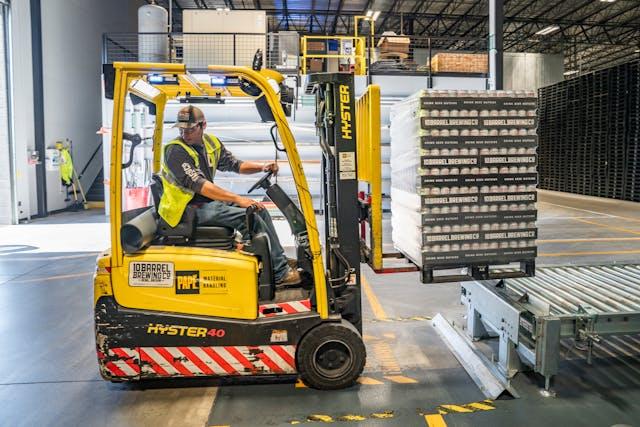
Warehousing plays a pivotal role in supply chain management, but numerous challenges can hinder efficiency and disrupt the layout. Understanding these common issues can help warehouse managers implement effective strategies to boost productivity. Several factors influence how well a warehouse operates, from layout design to staff training. By addressing these challenges head-on, businesses can enhance their operational efficiency, reduce costs, and improve service levels.
Space Utilization
Efficient space utilization is paramount in any warehouse. With real estate costs climbing, warehouses must maximize their available square footage. Proper design and layout can significantly impact storage options and workflow efficiency. One common mistake is stacking inventory too high, which may lead to operational hazards, including items falling or difficult pick paths. Implementing vertical storage solutions can remedy this issue, utilizing tools like shelving units and pallet racking systems. However, each storage solution must consider accessibility and safety.
A well-designed warehouse layout can contribute to maximizing usable space. Zones can be created for various functions, such as receiving, storage, and shipping. Implementing technology such as slotting optimization software can help to analyze and efficiently place products within the warehouse. Using equipment such as a drum handler can improve inventory management in tight spaces by maintaining order and preventing damage. Together, these strategies support smoother operations, lower costs, and higher overall productivity.
Inadequate Inventory Management
Inventory management directly impacts warehouse performance. Lack of real-time tracking leads to overstocks or stockouts, which causes delays and lost sales opportunities. Efficient inventory management systems enable warehouse staff to quickly locate items and ensure optimal stock levels. Inaccurate data and poor forecasting create confusion and often result in a mismatch between supply and demand.
Implementing a robust warehouse management system (WMS) streamlines operations by automating inventory tracking and alerts for low stock levels. Frequent audits and cycle counts help maintain inventory accuracy and build a solid understanding of item turnover rates. Continuous improvement through data analysis allows managers to make informed decisions about purchasing and storage. Employee training on inventory procedures is essential, as empowered staff are crucial in adhering to best practices for handling goods.
Insufficient Staff Training
Workplace productivity can plummet without adequate staff training. Employees who do not fully understand equipment or procedures can unintentionally slow down operations. Insufficient training often leads to errors that can be costly, impacting both time and resources. A comprehensive training program is essential to ensure all team members grasp their responsibilities and the tools required for their roles. Offering regular workshops can address changing techniques or equipment usage while reinforcing safety protocols.
Cultivating a culture of ongoing education helps employees feel confident in their skills, leading to higher job satisfaction and retention rates. Cross-training staff offers flexibility to manage workloads efficiently, allowing organizations to adapt to demand fluctuations swiftly. A well-trained workforce leads to smoother operations and improved service quality.
Equipment Limitations
The functionality and condition of warehouse equipment greatly influence efficiency levels. Operators may struggle with outdated or poorly maintained machinery, further hampering logistics efforts. Investing in modern equipment ensures that operations run smoothly and that workers can quickly adapt to evolving tasks. Automated solutions, such as robotic picking and optimized conveyor systems, streamline workflows and alleviate labor shortages.
Regular maintenance can prolong equipment lifespan and safeguard against sudden failures. Evaluating the suitability of equipment against specific warehouse operations is essential for maximizing efficiency. Leveraging technology advances across material handling can deliver significant improvements, allowing warehouses to handle higher volumes with fewer resources. To remain competitive, it’s crucial to adapt to technological changes and invest in equipment that substantially enhances productivity.
Communication Breakdowns
Clear communication within a warehouse is fundamental to operational success. Miscommunication between departments results in delays and errors, impacting overall efficiency. Establishing standardized communication protocols can help bridge gaps and facilitate easier information sharing among staff members. Using digital platforms allows real-time updates regarding inventory levels, order status, and shipment schedules. This ensures that every team member is on the same page and can respond promptly to any issues that arise.
Frequent team meetings foster alignment on goals and objectives by encouraging feedback and open discussion. Cultivating a transparent workplace enhances employee engagement and accountability. Cross-departmental collaboration improves understanding of interdependencies, with the outcome bolstering overall productivity. By prioritizing effective communication strategies, warehouses can mitigate confusion and streamline operations.
Unoptimized Workflow
An unoptimized workflow can lead to delays and reduced productivity. Evaluating the movement of goods through the warehouse is vital in identifying inefficiencies. Mapping out processes from receiving to shipping can uncover time-consuming steps and alleviate redundancy. Involving employees in workflow assessment can yield valuable insights and suggestions for improvement.
Implementing Lean principles can enhance operational efficiency by eliminating waste. Creating visual management tools, such as workflow charts or process maps, fosters greater awareness of potential inefficiencies among staff. Technology solutions can assist in optimizing workflows by offering tracking and automation features, ensuring that steps are executed seamlessly. Continuous commitment to workflow evaluation ensures ongoing improvements, sustaining efficiency gains over time.
Addressing each of these issues strategically enhances operational performance and leads to long-term improvements. By recognizing and overcoming these obstacles, warehouse managers set the stage for success, which involves streamlining layout, improving inventory management, and ensuring the workforce is skilled and equipped for challenges ahead.