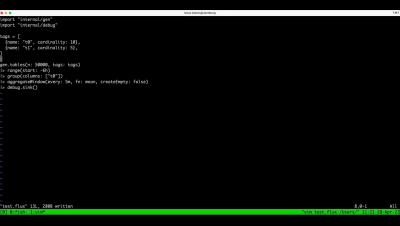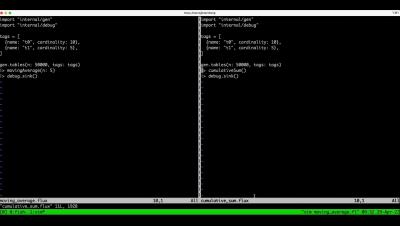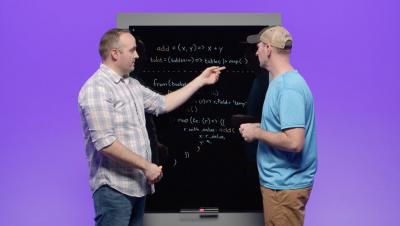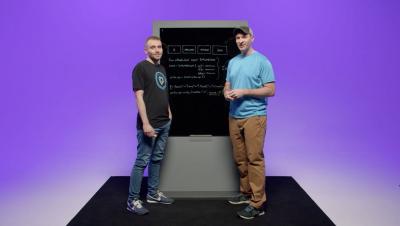
Functions are the building blocks of the Flux scripting language. Here, Scott Anderson describes what Flux functions are, how they work, and how to use them.
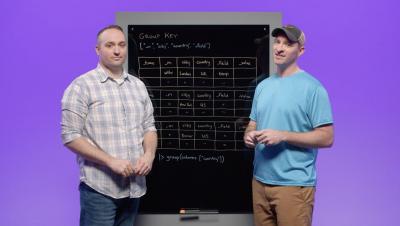
Flux is the native data language for the InfluxDB platform. Here, Scott Anderson discusses the 'stream of tables' concept, how that relates to Flux's data structure.
InfluxDB has a feature that lets users invoke scripts using its API. Here, Jay Clifford explains how to use this feature with custom endpoints to improve the functionality, efficiency, and security of your applications.
Client libraries are a powerful way to harness the power of InfluxDB's API using familiar programming languages. Here, Jay Clifford explains what client libraries are, how they work, and why you should use them when working with InfluxDB.
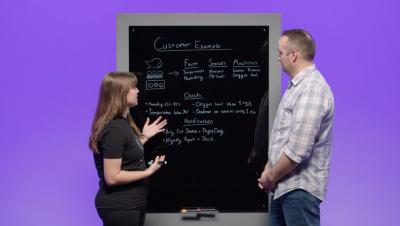
In another video, Zoe Steinkamp discussed what checks and notifications in InfluxDB are. Here, she uses a real world example to demonstrate how and when to use the different types of checks and notifications available in InfluxDB.
The InfluxDB platform provides several different types of checks and notifications to keep you informed about how your application is functioning. Here, Zoe Steinkamp outlines the key concepts behind checks and notifications in InfluxDB.
Are you looking for a low-code platform to help you get the most out of your time-stamped data from servers, sensors and systems? Find out if the InfluxDB time series platform is right for you.
Runaway cardinality can be a problem when working with time series data. This video explains what cardinality is, why runaway cardinality is an issue, and how to begin addressing runaway cardinality if you experience it.
Time series data isn't like other types of data. Instead of constantly updating a record with new info, it is typical to purge highly granular data that is no longer useful. With InfluxDB, you can automate this process using retention policies.