Operations | Monitoring | ITSM | DevOps | Cloud

AI You Control, Never a Black Box with Observo AI

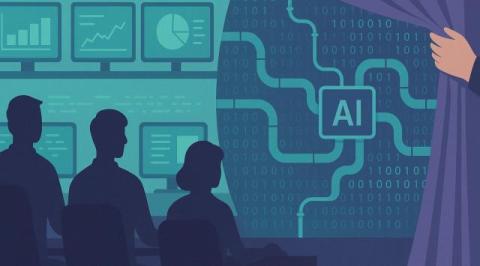
In cybersecurity, speed, clarity, and cost control are everything—and AI has the potential to deliver all three. But only if it’s done right. At Observo AI, we use machine learning to eliminate low-value data, reduce alert fatigue, and surface the insights that matter most—all while cutting data volume and storage costs by up to 80%. But for many teams, one critical question still lingers: Can we trust what AI is doing with our data?

All the Colors of Cyber Defense: Red, Blue, Purple Powered by Observo AI

Cybersecurity is no longer a collection of siloed strategies—it’s a coordinated, intelligence-driven discipline that demands speed, scale, and precision. To stay ahead of evolving threats, organizations must harness unified, data-centric defenses. Observo AI answers that call. This advanced, AI-powered data pipeline platform is purpose-built to optimize, enrich, and intelligently route telemetry across security and DevOps ecosystems.

6 Game-Changing AI Pipeline Features That SOC Vendors Won't Tell You About

‍This is the second post in our "Data Intelligence in Security: The AI Pipeline Revolution" series. In Part 1, we explored why AI-powered security data pipelines have become essential for modern SOCs. Today, we'll dive into the critical capabilities you should evaluate when selecting a solution. In Part 3, we'll cover implementation best practices and ROI impact.

Your SIEM is Bleeding You Dry: The Hidden 80% Tax You're Paying for Low-Value Security Data

This is the first post in our three-part series exploring AI-powered security data pipelines. We'll examine why these solutions have become essential (Part 1), what key features to evaluate when selecting a solution (Part 2), and how to implement for maximum ROI and business impact (Part 3). Your SOC is hemorrhaging money right now, and you might not even realize it. Security telemetry is exploding at a staggering 30-35% annually.

Data First, Tools Second: Rethinking Modern SOC Architecture

The pursuit of the perfect Security Operations Center (SOC) has become something of a holy grail for security leaders. For years, the industry pushed vendor consolidation as the answer – promising streamlined operations, simplified management, and enhanced visibility through unified platforms. But as the renowned security analyst Francis Odum recently highlighted in his analysis, this approach has delivered more headaches than solutions for many organizations.

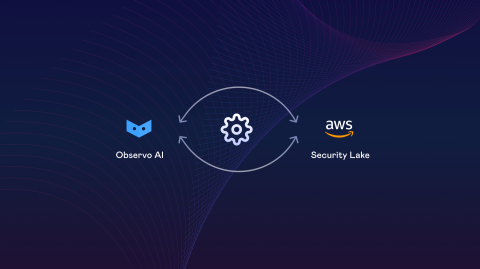
Observo AI + AWS Security Lake: Smarter, Cost-Efficient Security Data

Security operations teams are drowning in data. The rapid increase in security events, logs, and observability metrics makes it increasingly difficult to detect threats effectively. Data volume growth leads to high storage and processing costs, inefficient threat detection, and difficulty in extracting actionable insights from noisy datasets.

Introducing Observo Orion: Your AI Data Engineer for Security and DevOps

I’m thrilled to announce the general availability of Observo Orion, the industry’s first Agentic AI Data Engineer. This launch represents more than just a new product — it’s a fundamental shift in how organizations will manage their security and observability data pipelines. For years, I’ve watched organizations struggle with data engineering challenges. It’s been a highly specialized discipline, requiring deep technical expertise and significant manual effort.

Role-based Access Control: Scaling Access Control for Enterprise Needs

Role-Based Access Control (RBAC) is the backbone of secure system design, offering a structured method to manage user permissions and reduce the risks associated with overprivileged access. For large enterprise systems, RBAC is essential to ensure compliance, maintain operational integrity, and enable fine-grained access control across multiple teams and projects.

How Storytelling Led Me to Observo AI

I have spent a 30-year career in marketing honing the art of storytelling. My career started in consulting, wound its way around to internet and software start-ups and had a 15-year stint at IBM in various roles before diving back into the world of start-ups again. That journey was made possible by telling stories about customers' challenges and how good life looks when our solutions solve them.