Ubuntu Desktop on Amazon Workspaces: A quick start guide
Ubuntu WorkSpaces: virtual desktops, powered by AWS.


In a previous post, I explained how we made our Ubuntu image 15 times smaller by chiselling a specific slice of Ubuntu for.NET developers. In this blog, I will provide step-by-step instructions on customising your chiselled Ubuntu base images for any use case. I don’t believe in a perfect container base image anymore.
In this blog, I explain the idea behind Distroless container images, which inspired us to create chiselled Ubuntu images — adding the “distro” back to distro-less! In a follow-up blog, I will then provide a step-by-step example of how you can create your own chiselled Ubuntu base container images, built for your specific needs.
The popular open-source platform Kubescape by ARMO has been recently announced as a fully managed operator called a Charm for Canonical’s Charmed Kubernetes distribution. This collaboration between Canonical and ARMO is exciting for the solution it enables for end users, ultimately resulting in hardened and more secure Kubernetes environments.
When people think of home security they usually think of an alarm system with a keypad next to the door. These days, however, home security should have two meanings. I’m here to talk about the second: cybersecurity. In other words, security in the smart home.
In 2022, Windows Subsystem for Linux (WSL) exploded in popularity, with millions of users taking advantage of the ability to develop, create and administrate inside a native Linux environment deeply integrated with Windows. This is thanks in large part to continued investment from Microsoft, consistently rolling out new features and updates for the platform on both Windows 10 and Windows 11.
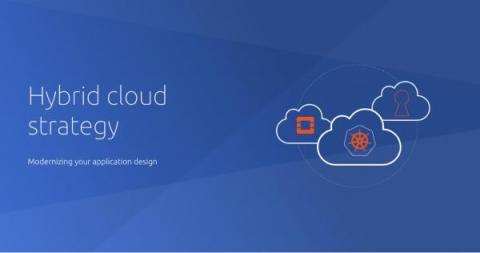
Public clouds enabled digital transformation at unprecedented speed. But their operational costs over time can be exacting as compute needs increase. Hybrid clouds emerged as an alternative to gain the benefits of both worlds: private infrastructure that allows for lower operational expenditures and tighter control, and public clouds that can scale with ease.
What are you tinkering with over your vacation? Perhaps you have ambitions to have a beautiful homelab, launch pet projects on a public cloud, or build do it yourself home automation. Ubuntu has broad community and commercial support, making it the logical choice when you need to provision machines and containers with a mix of proprietary and open source software. Once your homelab, home automation, or public cloud projects are running, you can deploy Landscape beta.
As we enter the holiday season, online shopping and payment systems are gearing up for higher traffic and workloads. Ensuring that these applications can handle the increased demand without slowing down or crashing is critical for providing a smooth and efficient experience for customers. One way to improve the performance and reliability of these applications is by using chiselled Ubuntu images in your containerised deployment.
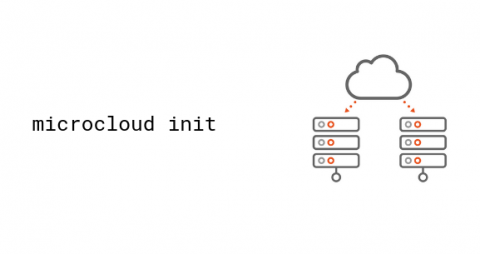
If you are looking for a small-scale cloud deployment suitable for the edge, chances are you came across Canonical’s Micro cloud solution. These are small-footprint clusters of compute nodes with distributed storage and secure networking, optimised for repeatable and reliable remote deployments.