Operations | Monitoring | ITSM | DevOps | Cloud

Building with the InfluxDB 3 MCP Server & Claude

InfluxDB 3 Model Context Protocol (MCP) server lets you manage and query InfluxDB 3 (Core, Enterprise, Dedicated, Serverless, Clustered) using natural language through popular LLM tools like Claude Desktop, ChatGPT Desktop, and other MCP-compatible agents. The setup is straightforward. In this article, we will focus on setting up InfluxDB 3 Enterprise using Docker with Claude Desktop.

Getting Started with InfluxDB and Pandas: A Beginner's Guide

InfluxData prides itself on prioritizing developer happiness. A key ingredient to that formula is providing client libraries that let users interact with the database in their chosen language and library. Data analysis is the task most broadly associated with Python use cases, accounting for 58% of Python tasks, so it makes sense that Pandas is the second most popular library for Python users.

From Monitoring Signals to Observability Maturity

Efficient monitoring delivers fast results: alerts fire within seconds, dashboards refresh continuously, and teams know the moment something changes. Understanding arrives later. An alert may show that a value shifted, but it does not explain why it shifted, how far the impact will spread, or which components truly matter. Teams see the signal, not the system behavior behind it. This gap defines the limit of traditional monitoring. Detection has improved, but explanation has not kept pace.

Time Series Meets Graph: Understanding Relationships in Streaming Data

Data systems rarely operate as isolated components. Machines depend on sensors, services rely on other services, and devices exchange data through shared gateways. When something changes, the impact often spreads beyond a single metric. To trace how changes move through complex systems, many teams turn to graph-style analysis to map dependencies and follow cause and effect.

Optimizing BESS Operations: Real-Time Monitoring & Predictive Maintenance with InfluxDB 3

For IT and OT engineers managing Battery Energy Storage Systems (BESS) and other distributed energy resources (DER), the challenge isn’t just dealing with energy. It’s a data problem, or managing the massive stream of real-time telemetry these systems generate. For example, a BESS site produces a constant stream of time-series data from BMS, PCS, SCADA, EMS, and more, and operating it means ingesting, correlating, and acting on that data in real time. And this challenge changes with scope.

How to Integrate Grafana with Home Assistant

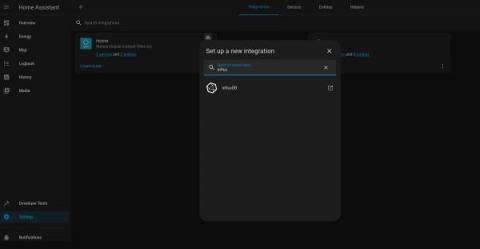
This post covers how to get started with Home Assistant and Grafana, including setting up InfluxDB and Grafana with Docker, configuring InfluxDB to receive data from Home Assistant, and creating a Grafana dashboard to visualize your data. It provides a comprehensive guide for real-time monitoring and analysis of Home Assistant data. In this tutorial, you’ll learn how to integrate Grafana with Home Assistant using InfluxDB.

A Guide to Regression Analysis with Time Series Data

Regression analysis with time series data in Python provides a basis for understanding how values change over time. By following this guide, you’ll understand regression as applied to time series data, how to prepare it in Python, and how to create regression models that’ll help discover trends and influence decisions. With the vast amount of time series data generated, captured, and consumed daily, how can you make sense of it?

Performing Real-Time Anomaly Detection with InfluxDB 3: An In-Depth Guide

If you’re working with sensors, machines, or embedded systems, your primary goal is simple: no unplanned downtime and smooth operations. This means detecting errors and taking action as soon as possible, ideally preventing them through predictive maintenance before they become critical issues.