Operations | Monitoring | ITSM | DevOps | Cloud

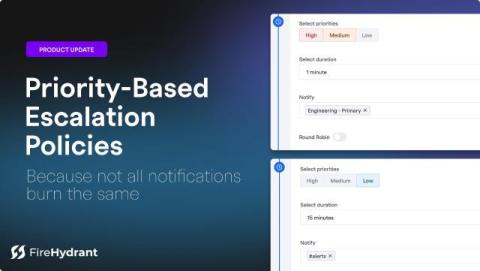
Priority-Based Escalation Policies: Because Not All Notifications Burn the Same

Let's face it – not all notifications are created equal. That paper cut of a CSS bug probably doesn't need the same response as your production database doing its best impression of a black hole. Today, we're thrilled to announce Priority-Based Escalation Policies, a powerful new way to ensure your team's response matches the notification severity.
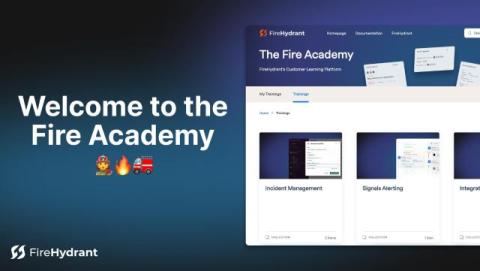
Welcome to The Fire Academy: Learn FireHydrant, Your Way

Getting started with any new platform can feel like a lot. We get it. That’s why we built The Fire Academy — our new Customer Learning Platform that makes getting started on FireHydrant as seamless as possible. Our goal is simple: we want you to feel confident customizing and configuring FireHydrant to fit your needs without having to dig for answers or wait for support. Everything you need is at your fingertips, so you can work at your own pace and get the most out of the platform.

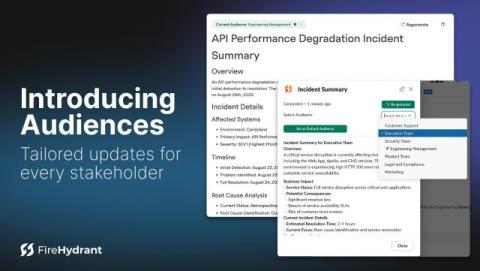
Introducing Audiences: AI That Tailors Incident Communication to Every Stakeholder

When incidents strike, clear communication is crucial — but one size doesn't fit all. Customer support needs to know what users are experiencing and possible workarounds, execs need business impact updates and timelines, and engineers need deep technical details. Manually juggling these different communication needs is time-consuming, error-prone, and frustrating when every minute counts.

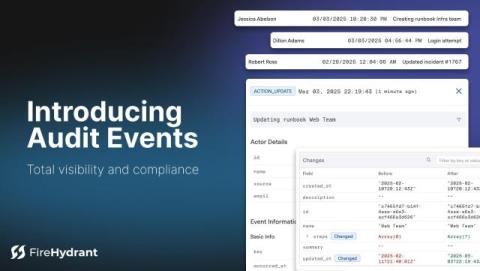
Introducing Audit Logs: Ensuring Visibility, Security, and Compliance in FireHydrant

When something goes wrong, the first question is always: what changed? Whether it’s an unexpected change to your on-call schedule, a broken automation, or a modified Runbook that just seems off, understanding the issue starts with knowing who made what change, when it happened, and what exactly changed. But in an organization with many users, keeping track of every action can feel impossible.

Signals Turns One! A Year of Growth and Innovation

A year ago, we launched Signals with a simple but powerful idea: on-call shouldn’t be a painful juggling act. Too often, teams had to bounce between separate alerting and incident response tools, slowing everything down when speed mattered most. And traditional on-call tools? They were built around services, not the people responding to them.