

Operations | Monitoring | ITSM | DevOps | Cloud

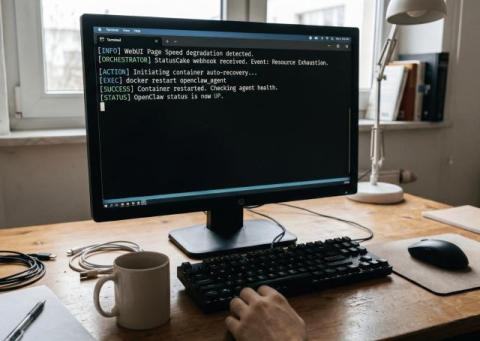
Beyond Uptime: Building a Self-Healing OpenClaw Observability Stack

The allure of OpenClaw is undeniable. You deploy a highly autonomous, self-hosted AI agent, give it access to your repositories and inboxes, and watch it reason through complex workflows while you sleep. It is the dream of the ultimate 10x developer tool realized. But as any veteran DevOps engineer will tell you: running an LLM-backed Node.js agent in production is vastly different from testing it on your local machine.
When AWS us-east-1 Fails, Much of the Internet Fails With It

There are cloud outages, and then there are us-east-1 outages. That distinction matters because failures in AWS’s Northern Virginia region rarely feel like ordinary regional incidents. They tend instead to expose something larger and more uncomfortable: too much of the modern internet still behaves as though one place is an acceptable concentration point for infrastructure, control, recovery, and communication. When us-east-1 goes wrong, the problem is not only that workloads fail.

In the Age of AI, Operational Memory Matters Most During Incidents

Artificial intelligence is making software easier to produce. That much is already obvious. Code that once took hours to scaffold can now be drafted in minutes. Boilerplate, integration logic, tests, refactors and small internal tools can be generated with startling speed. In some cases, even substantial pieces of implementation can be assembled quickly enough to make older assumptions about software effort look dated. It is tempting, then, to conclude that the hard part of software is receding.

AI Didn't Kill the SDLC. It Made It Harder to See

Whilst AI has compressed the visible stages of software delivery; requirements, validation, review and release discipline have not disappeared. They have been pushed into automation, runtime and governance. The real risk is not that the lifecycle is dead, but that organisations start acting as if accountability died with it.