

Operations | Monitoring | ITSM | DevOps | Cloud

Release Management: Process Steps, Tools & Best Practices for ITSM

Software delivery can derail quickly without structure. Version mismatches, failed rollbacks, broken features, these are often symptoms of a weak or unclear release management process. Release management brings order to the chaos by defining how features, bug fixes, and system updates move from development to production. It sets expectations, aligns timelines, and reduces deployment risk.
Network Topologies in Computer Networks: Types, Diagrams & Mapping Explained

Every connected device, cable, and transmission path contributes to how data flows across an IT environment. These physical and logical arrangements define what is known as topology in a computer network. For IT teams managing increasingly complex infrastructures, understanding how devices are arranged and how they communicate is critical.

What is IPv6 and Why Smart, Integrated IPAM is Essential for Managing It Efficiently

With the internet expanding rapidly, the older IPv4 system just can’t keep up with the demand for new IP addresses. That’s where IPv6 comes in. If you’re wondering what IPv6 is, it’s the next-generation internet protocol designed to replace IPv4, offering a much larger pool of addresses and better efficiency. Let’s break down the essentials.

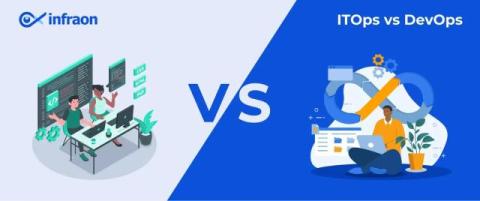
ITOps vs DevOps: Understanding Their Roles in Modern IT Environments

The conversation around ITOps vs DevOps continues as organizations pursue agile development and responsive service delivery. While both practices share the goal of improving software and infrastructure management, they emerge from distinct historical, operational, and cultural backgrounds. Understanding how these models differ at their core helps decision-makers choose the most suitable operating strategy and align their teams for smoother collaboration.

Why SaaS Infrastructure Monitoring Is Critical for Modern IT Operations

In today’s cloud-driven world, keeping track of your software services is no longer optional—it’s essential. SaaS infrastructure monitoring helps IT teams keep an eye on the performance, uptime, and health of all cloud-based applications and systems in real time. With businesses relying heavily on remote tools and digital platforms, monitoring your SaaS stack ensures smooth operations and quick issue resolution.

Asset Management vs. Configuration Management: What's the Difference and Why It Matters in IT Operations

In today’s dynamic IT landscape, operations have become increasingly complex, with businesses managing diverse systems, devices, and services. Efficient control over these resources is critical, and that’s where the difference between asset and configuration management becomes essential. While IT asset management tracks physical and digital assets across their lifecycle, configuration management focuses on the relationships and settings of those assets within the IT environment.