

Operations | Monitoring | ITSM | DevOps | Cloud

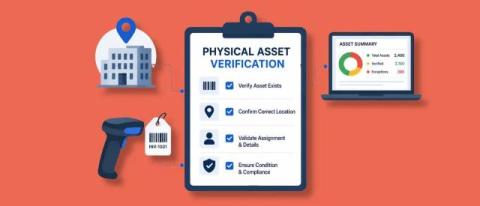
Physical Asset Verification: The Complete Checklist for Multi Location Organizations

Managing assets across multiple offices, warehouses, plants, project sites, or retail locations can quickly become challenging. As organizations grow, assets are transferred between locations, assigned to employees, repaired, replaced, or retired. Over time, records can become inaccurate, leading to missing assets, duplicate entries, and compliance risks. This is where physical asset verification becomes essential.
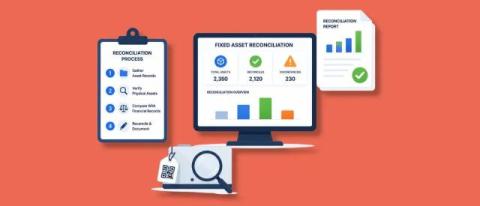
Fixed Asset Reconciliation: A Step by Step Guide for Finance Teams

Accurate financial records are the foundation of effective business management. Yet many organizations struggle with discrepancies between their fixed asset records and the assets that actually exist within the business. Over time, assets may be transferred, disposed of, misplaced, or incorrectly recorded, creating gaps between financial statements and physical reality. This is where fixed asset reconciliation becomes essential.

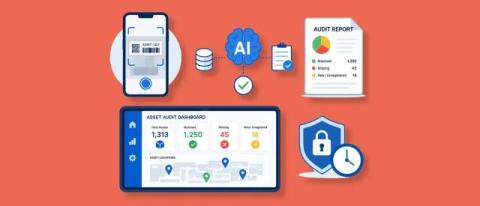
Why AI-Powered Asset Audits Are Replacing Manual Physical Verification (And How to Switch)

Picture this. It's the end of the financial year. Your audit team is clipboard in hand, walking floor to floor, cross-referencing serial numbers against a spreadsheet that was last updated six months ago. Three days in, two people are still checking warehouses, and someone has already found a printer that the system says was disposed of in 2022. This is how most enterprises still run their physical asset audits in 2026.