Operations | Monitoring | ITSM | DevOps | Cloud

Transforming B2B Logistics: How Pod Trackers Revolutionize Asset Management

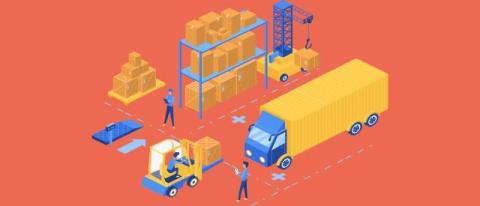
In today’s fast-paced logistics landscape, real-time asset visibility and operational efficiency are more important than ever. B2B logistics companies, dealing with thousands of moving parts—from returnable packaging assets to cargo containers—face immense challenges in tracking, maintaining, and optimizing their resources. Enter pod trackers: compact, GPS-enabled devices that provide location intelligence and status updates on assets in motion or storage.
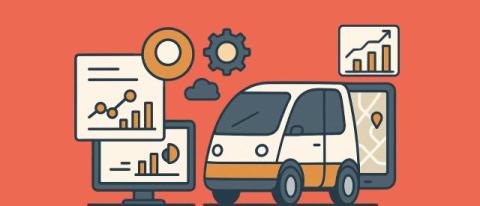

Tracking, Monitoring, and Optimizing Autonomous Pods in Real Time

The rise of autonomous technology is revolutionizing how we approach logistics, work environments, and delivery systems. Among the most exciting developments are autonomous pods—compact, smart, and mobile units capable of functioning with minimal or no human intervention. Whether deployed as last-mile delivery vehicles, remote workspaces, or mobile retail hubs, these pods are becoming integral to futuristic infrastructure.

Is Accumulated Depreciation an Asset or a Liability?

Depreciation plays a critical role in financial reporting and asset management. It helps businesses allocate the cost of an asset over its useful life, ensuring that financial statements accurately reflect the asset's declining value. One term frequently encountered in this context is accumulated depreciation. Yet, many are unclear about whether it is considered an asset or a liability.

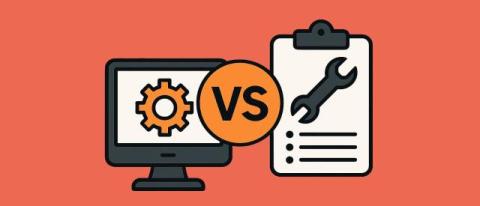
Enterprise Asset Management Software vs. CMMS: What's the Difference?

In the world of asset-heavy industries—whether in manufacturing, healthcare, utilities, or logistics—digital solutions for asset and maintenance management are crucial. Two of the most widely adopted systems are CMMS (Computerized Maintenance Management System) and EAM (Enterprise Asset Management) software. Both platforms improve asset performance, reduce downtime, and optimize maintenance processes, but they serve different scopes and organizational needs.

How Dark Grocery Stores Are Fueling Rapid Delivery Models

In the race to deliver groceries in record time, traditional retail stores are undergoing a digital and operational transformation. At the heart of this shift are dark grocery stores—specialized facilities designed exclusively for fulfilling online orders. Unlike conventional retail outlets, these locations are not open to the public. Instead, they are optimized for speed, precision, and scalability, forming the backbone of the rapid delivery ecosystem.

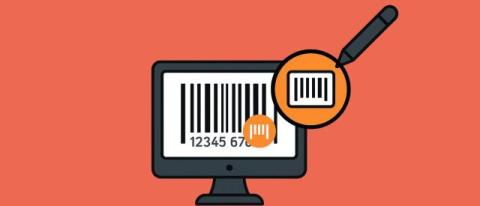
What Is a Custom Barcode and Why Your Business Needs One

In today’s digital-first and data-driven business landscape, accuracy, efficiency, and visibility are no longer optional—they’re expected. Whether you’re managing a retail chain, healthcare facility, logistics hub, or manufacturing unit, streamlined operations often begin with the smallest yet most critical component: the barcode.