Summer is finally here in the Northern Hemisphere and as we work on getting our collective outdoors time in, we also have been busy at work making some great enhancements to Shipa. We kicked off June with a great webinar with PeladoNerd focusing on LATAM. We continued to focus on building and enhancing Shipa.
Imagine having the ability to instantly know when a Kubernetes compliance or security violation occurs. Now you can with Shipa Insights. Coupling Shipa Insights with the robust notification and alerting capabilities of PagerDuty makes this very possible. Shipa has the capability of sending fine-grained events externally e.g to PagerDuty. Now with the power of Shipa Insights, you have the capabilities to alert on policy violations. Let’s take a look at gettings started.
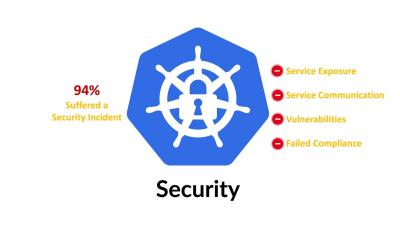
The modernization of infrastructure and applications is driving the rapid growth of containers, and as companies scale the adoption of Kubernetes, it’s critical to incorporate security and compliance. The challenge? Compliance and security is a journey, not a state in time, and application security in Kubernetes has a large surface area. This challenge increases exponentially as you run more applications, onboard more developers, add more environments, add new pipelines, and more.
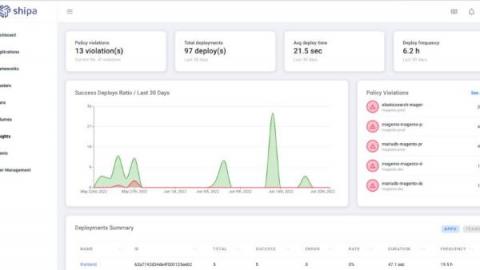
As we continue to build our vision around Shipa Insights, we are pleased to announce that we are now including engineering efficiency statistics along with the policy and security violations from our initial release. Getting started with Shipa Insights is very easy, Shipa Insights is there for you automatically. Navigate to the Insights Module and take a look at what Shipa has been keeping track of / discovering on your behalf.
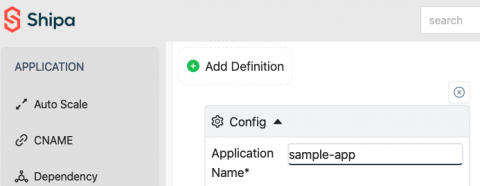
I love what we are building here at Shipa, and I couldn’t be more proud of all the great things the team is constantly delivering, but one thing I like is having personal projects. These help me keep up to date with technology and learn new things. I try to keep the investment in those projects at a minimum and under control. That goes across both the timing and the resources invested. My most recent project is related to the experience when defining cloud-native applications.
Lineage to the saying “canary in a coal mine”, the canary deployment/release methodology is an incremental release focused on safety. If the canary does not pass, the deployment does not continue or is rolled back. Taking a jog down memory lane, like Kubernetes the Hard Way, a few years ago a canary deployment in Kubernetes was quite the undertaking.
Security can certainly be a broad brush topic. As a software engineer, you design and build to the best of your ability. In delivery methodologies of years gone by, sometimes security can be viewed as an afterthought e.g running security testing last before deploying. Today with the DevSecOps movement, one more set of concerns moves left towards the developer which is now security.