
Why Home Elevators Are Becoming a Must-Have in Luxury Real Estate
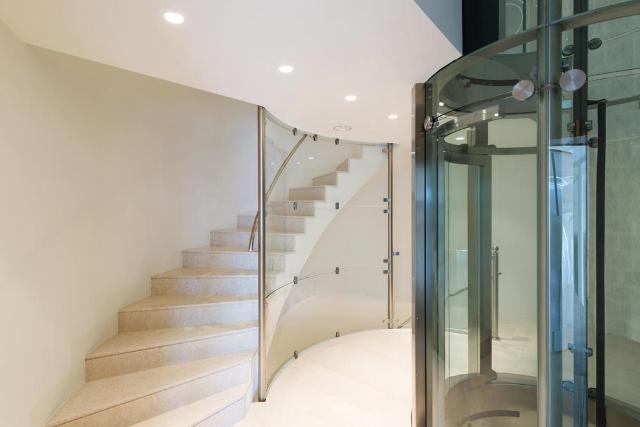
Image Source: depositphotos.com
In the high-stakes world of premium property, the definition of "luxury" is constantly evolving. A decade ago, a home theater or a wine cellar was the ultimate status symbol. However, as we move through 2025, the focus has shifted toward wellness, convenience, and architectural innovation. Today, home elevators have emerged as a non-negotiable feature for top-tier listings. For buyers looking at multi-story villas or modern penthouses, a lift is no longer just an accessibility aid, it is a core component of high-end lifestyle design.
The Convergence of Luxury and Longevity
The primary reason home elevators are dominating the luxury market is the trend of "Aging in Place." High-net-worth individuals are increasingly looking for "forever homes", properties where they can reside comfortably for decades without the threat of being forced out by mobility issues.
In a luxury multi-story residence, the master suite is often located on the highest floor to capture the best views. Without an elevator, that suite becomes a liability as the owners age. By integrating a stylish, high-speed lift, architects ensure that the entire home remains functional for its occupants, regardless of their stage in life. This sense of security and long-term utility is a powerful selling point that modern real estate agents leverage to close high-value deals.
A Masterpiece of Architectural Design
Beyond utility, the elevators of 2025 are aesthetic marvels. Modern luxury lifts are often the centerpiece of a home’s entryway, featuring 360-degree panoramic glass walls, custom LED "mood" lighting, and bespoke finishes like hand-stitched leather or rare wood veneers.
In open-concept architecture, a glass elevator acts as a moving sculpture. It provides a dynamic visual element that connects different levels without blocking sightlines or natural light. For luxury homeowners, the elevator is an opportunity to showcase personal style, much like a piece of fine art or a designer kitchen.
Boosting Resale Value and Marketability
From an investment perspective, the numbers are clear. Properties equipped with home elevators tend to move faster in a crowded market and often command a premium price. Real estate experts note that in the luxury sector, the absence of an elevator can actually lead to "price chipping," where buyers negotiate the price down to account for the lack of vertical mobility.
Furthermore, an elevator expands the buyer pool. It makes the property attractive to families with elderly members, individuals with disabilities, and even younger buyers who simply appreciate the "wow factor" and the convenience of moving heavy items (like luggage or furniture) between floors with ease.
The Future of Vertical Living
As we look at the trajectory of the 2025 housing market, it is clear that home elevators are here to stay. They represent the perfect marriage of form and function, providing a necessary solution for accessibility while simultaneously acting as a high-tech architectural statement. For the discerning homeowner or investor, an elevator is no longer an optional luxury; it is the cornerstone of a modern, future-proof residence.
Frequently Asked Questions
1. Does a glass elevator require more maintenance? While the glass panels require regular cleaning to maintain their "invisible" look, the mechanical maintenance is essentially the same as a standard cab. Most luxury owners include glass cleaning in their regular housekeeping routine.
2. Can the elevator be integrated with my smart home system? Absolutely. High-end models in 2025 are fully IoT-enabled. You can call the lift via a smartphone app, use voice commands through Alexa or Siri, and even set the interior lighting to match your home’s "evening" or "party" scenes.
3. Are there "invisible" elevators for minimalist homes? Yes. Some "through-the-floor" models are designed to disappear into the ceiling or floor when not in use. The top of the cab can be finished with the same flooring material as the room (such as hardwood or tile), making it virtually undetectable until it is called.
4. How fast do residential luxury elevators travel? While residential codes generally limit speed for safety (usually around 30 to 40 feet per minute), the focus in luxury models is on a "soft start" and "soft stop" to ensure the ride is as smooth and quiet as possible.