
Why 5-Pin Magnetic Connectors Are Ideal for Compact, High-Reliability Devices?
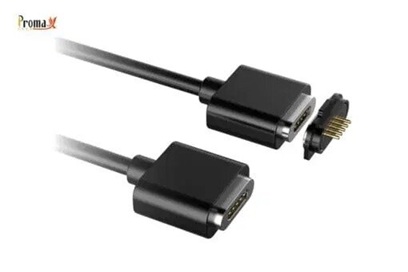
5-pin magnetic connectors have become essential in the design of compact, high-reliability electronic devices. Their unique combination of magnetic self-alignment and pogo pin technology offers a reliable and durable connection ideal for applications demanding frequent mating cycles and secure power/data transmission. This article examines why these connectors are preferred in industries ranging from consumer electronics to medical and aerospace fields, highlighting their design attributes, functionality, and manufacturing excellence offered by specialists like Promax in China.
Key Takeaways
-
5-pin magnetic connectors offer reliable, durable connections ideal for compact, high-reliability devices across industries like medical, aerospace, and consumer electronics.
-
Their magnetic self-alignment and pogo pin technology enable easy blind mating, reducing user error and enabling frequent connection cycles without damage.
-
The five-pin design supports simultaneous power and signal transmission, ensuring high signal integrity and multifunctionality in a small footprint.
-
These connectors optimize space efficiency with compact designs as small as 1.00 mm pitch, enabling miniaturization of devices like smartwatches and augmented reality glasses.
-
Robust construction and waterproofing to IPX8 make 5-pin magnetic connectors highly durable and safe in harsh environments.
-
Future innovations focus on higher current capacities, longer durability, improved sealing, and integration with wireless technologies to meet emerging device demands.
Understanding 5-Pin Magnetic Connectors: Design and Functionality
5-pin magnetic connectors consist of two halves: a male and a female segment that are magnetically attracted to each other, facilitating easy and precise alignment. Embedded within are spring-loaded pogo pins that enable secure electrical contact with a typical pin spacing around 0.1 inches (2.54 mm). This design allows for blind mating, users don't have to see or perfectly align the connector to engage it. These connectors typically operate at DC voltages between 12 and 24 volts, supporting currents of 2 to 5 amps, with very low contact resistance under 50 milliohms. Their operating temperature ranges broadly from -30°C to +85°C, and many designs include IPX8-level waterproof ratings, making them suitable for harsh environmental conditions. The pogo pins' spring-loaded action ensures stable, repeatable contact for up to one million mating cycles, an attribute highly valued in compact devices that require often-removed connections without damage.
Advantages of Magnetic Connection in Compact Device Applications
The magnetic aspect of these connectors offers several advantages crucial for compact device integration. First, it enables blind mating, which simplifies user interaction, perfect for wearable electronics and mobile devices that prioritize ease and speed of connection. The magnetic attachment also provides a tear-away safety feature: if a device is accidentally pulled away, the connection detaches cleanly, reducing the risk of damage or device falls. Also, magnetic connectors inherently resist vibrations, ensuring stable connections in environments with mechanical shock or motion, such as aerospace or industrial applications. This vibration resistance is further enhanced by the secure spring contact of the pogo pins. Also, the magnetic field and gold-plated contacts help reduce electromagnetic interference (EMI), improving signal integrity in sensitive applications like medical instruments and high-speed data transfer in smartphones and laptops.
The Role of 5 Pins: Enhanced Signal Integrity and Power Delivery
The five pins in these magnetic connectors allow simultaneous transmission of power and multiple types of signals. Typically, they support power delivery, data communication, and in some designs, even LAN or RF signals. Having dedicated pins means that high current and sensitive signals don't interfere, which is critical in maintaining signal integrity. The pins' gold plating minimizes contact resistance and wear over millions of cycles, sustaining consistent performance. This arrangement is especially important in applications where stable, high-quality data transfer is mandatory, such as medical monitoring devices and aviation equipment. The multi-pin configuration also supports multifunction scenarios without increasing connector size, enabling highly integrated compact device designs.
Space Efficiency: How 5-Pin Magnetic Connectors Support Miniaturization
One of the key challenges in designing modern electronics is saving printed circuit board (PCB) space while retaining full functionality. 5-pin magnetic connectors help address this by offering a minimal pitch, often as small as 1.00 mm, allowing manufacturers to reduce connector footprints significantly. Customization options in size and pin arrangement further enable designers to fit connectors into extremely compact profiles like smartwatches, augmented reality glasses, and electronic cigarettes. This compactness simplifies circuit integration by combining power and multiple signal lines into a single connector without sprawling wiring. The result is an overall product design that can be thinner, lighter, and more reliable, important factors in devices where every millimeter counts.
Reliability Under Stress: Durability and Safety in Harsh Environments
5-pin magnetic connectors are engineered to perform reliably under demanding conditions. They endure anywhere from 10,000 to over one million mating cycles, depending on specification, ensuring long-term durability. Corrosion-resistant plating like gold or nickel protects contacts against atmospheric moisture and contaminants, supplemented by resistance to salt spray exposure for up to 120 hours and relative humidity ranges of 10-90%. Their robust mechanical structure resists damage from vibration and shocks frequently encountered in industrial, medical, and aerospace environments. Waterproofing to IPX8 standards also prevents water ingress. These attributes combine to meet stringent reliability and safety requirements where failure is not an option, showcasing why manufacturers like Promax manufacture these connectors to rigorous quality standards for high-reliability sectors.
Case Studies: Successful Integration of 5-Pin Magnetic Connectors in Industry
Promax's 5-pin magnetic connectors have been successfully integrated across a range of industries. In consumer electronics, they serve as slim charging and data ports for smartphones, tablets, and laptops, providing a user-friendly alternative to traditional plugs, akin to Apple's MagSafe technology but with enhancements for waterproofing and multi-functionality. In medical devices, these connectors appear in diagnostic probes and patient monitors, where reliable, clean connections are essential under repeated use and sterilization cycles. Industrial sensor systems employ them for vibration-resistant data transfer and power supply in assembly lines and remote sensing. Even home appliances increasingly use magnetic connectors for fast charging and connectivity, demonstrating a broad utility driven by compactness and reliability.
Future Trends: Innovations and Potential Developments in Magnetic Connector Technology
Looking ahead, magnetic connector technology is evolving to meet rising demands in power and data. New designs are targeting higher current capacities, from the typical 2-5A up to 30A, to support faster charging and power-hungry devices. Durability improvements aim to extend lifecycle counts beyond 200,000 mating cycles, reducing maintenance and replacements. Enhanced waterproofing and sealing technologies are being developed to meet tougher environmental standards. Integration with wireless power transfer and data communication is on the horizon, especially for IoT and 5G applications requiring ultra-compact, multifunction connectors. Customization remains a priority, with manufacturers like Promax offering client-specific solutions to suit emerging device trends and market requirements.
Frequently Asked Questions about 5-Pin Magnetic Connectors
What makes 5-pin magnetic connectors ideal for compact, high-reliability devices?
5-pin magnetic connectors combine magnetic self-alignment with pogo pin technology, offering durable, reliable connections that support frequent mating cycles, secure power and data transfer, and compact design—perfect for small, high-performance electronics.
How do the magnetic features improve the usability of 5-pin connectors?
The magnetic attraction allows blind mating, making connections easy without precise alignment. It also provides a tear-away safety feature to prevent damage, resists vibration, and reduces EMI, enhancing reliability in wearables, smartphones, and industrial devices.
Why are five pins used in these magnetic connectors?
Five pins enable simultaneous transmission of power, data, and signals like LAN or RF without interference. Gold-plated pins ensure low resistance and high durability, supporting multifunction applications in medical, aerospace, and consumer electronics.
How do 5-pin magnetic connectors support device miniaturization?
With a minimal pin pitch as small as 1.00 mm and customizable sizes, these connectors save PCB space by combining power and multiple signal lines into one compact connector, allowing thinner, lighter, and more integrated device designs.
What environmental conditions can 5-pin magnetic connectors withstand?
They operate reliably from -30°C to +85°C, have IPX8 waterproof ratings, resist salt spray exposure up to 120 hours, tolerate 10-90% relative humidity, and endure vibration and shock, making them suitable for harsh industrial and medical environments.
What future advancements are expected in 5-pin magnetic connector technology?
Future trends include higher current capacities up to 30A, extended lifecycle beyond 200,000 cycles, improved waterproofing, integration with wireless power and data, and increased customization to meet IoT and 5G compact device demands.