
Understanding the Science Behind Zero Gravity Massage Chair Positioning
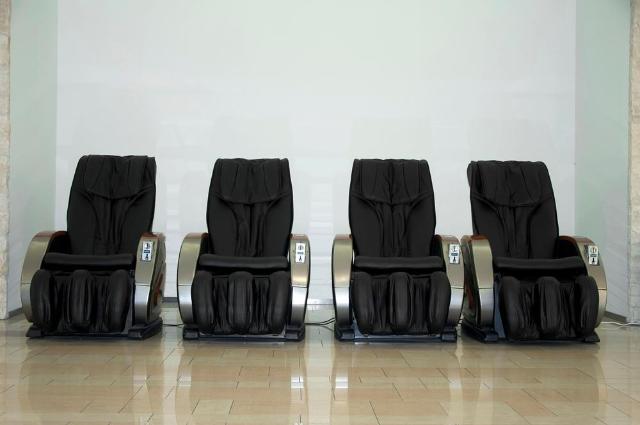
Image Source: depositphotos.com
You know that feeling when you sink into a reclined seat and suddenly your body just… lets go? That's not a coincidence. It's decades of aerospace research, biomechanical engineering, and genuinely clever design converging into a single moment of relief.
A zero gravity massage chair replicates the posture astronauts naturally fall into while orbiting Earth, a position where muscles stop fighting gravity and spinal pressure simply vanishes. And it's resonating with consumers in a big way.
Zero gravity models account for over 30% of the global massage chair market, driven by their measurable ergonomic and stress-relief advantages. That's not a marketing trend. That's people experiencing a real difference.
Brands investing seriously in this technology, including luxury massage chairs from OSIM, endorsed by the American Chiropractic Association and backed by more than 250 patented technologies, consistently deliver more precise, therapeutic outcomes than generic alternatives. That gap in results is real and it's noticeable.
What Actually Makes the Zero Gravity Position Work
The massage chair's zero gravity position isn't just "reclined more than usual." Your legs rise above your heart while the backrest angles back, typically somewhere between 120 and 130 degrees.
This combination approximates what NASA documented during its Skylab missions: a neutral body posture that significantly reduces spinal loading and diffuses muscle tension from head to heel. Once you understand where the concept comes from, the results make a lot more sense.
Neutral Posture and Its Microgravity Origins
In the absence of gravitational force, astronauts consistently assumed the same resting position, hips and knees gently flexed, spine naturally curved, chest open, arms drifting slightly forward. Nobody told them to sit that way. Their bodies just found it.
NASA researchers catalogued that posture meticulously, and engineers eventually used those joint angles as a design blueprint. What microgravity produces organically, well-designed chairs now replicate mechanically, without anyone needing to leave the planet.
How Weight Distribution Actually Changes
Conventional seated posture quietly punishes your lower back. Lumbar discs compress, tailbone pressure builds, and the whole system slowly accumulates tension over a workday. The science behind zero gravity chairs addresses this directly: reclining spreads your body weight across a far larger contact surface, eliminating those pressure hotspots entirely.
Elevating the legs simultaneously promotes more efficient venous return, blood flows more freely back toward the heart, which matters significantly for anyone spending long hours sitting or standing.
What This Positioning Does to Your Body
Mechanics are one thing. But what actually happens physiologically? The zero gravity chair benefits cover more ground than most people expect, spinal decompression, circulation, breathing capacity, and real nervous system regulation.
Spinal Decompression and the Case for Daily Relief
Modern premium chairs scan your shoulder height, spine length, and back curvature before a session begins. AI-driven algorithms then calibrate roller position, massage intensity, and angle specifically to you.
Circulatory Support You Can Actually Feel
Roughly 35% of high-end massage chairs now incorporate zero-gravity positioning specifically because of its spinal stress reduction and comfort advantages. Elevating the legs above heart level reduces ankle and calf swelling by supporting venous return.
Pair that with rhythmic compression massage, and you're also encouraging lymphatic drainage, helping your body clear lactic acid and metabolic waste more efficiently after physical exertion. Athletes who've tried this after training often describe it as a quiet game-changer.
Breathing, Rest, and the Parasympathetic Payoff
Opening your chest while reducing forward head posture gives your lungs room that they rarely get during a regular day. Deeper, slower breathing naturally activates the parasympathetic nervous system, your body's internal signal to repair and rest. Heart rate eases.
Mental noise quiets. Evening sessions, in particular, can make the transition into genuine sleep noticeably smoother than you'd expect from sitting in a chair.
The Engineering That Makes It All Possible
Describing a zero gravity chair as "motorized reclining" undersells what's actually happening inside the mechanism. Achieving a true optimal massage chair positioning experience takes sophisticated engineering that most people never think about.
Designing Around Real Human Bodies
Every person has a different torso length, shoulder width, and leg proportion. Good chair design accounts for all of it. Manufacturers use population-level anthropometric data to shape seat depth, backrest curvature, and headrest positioning, but they also build in meaningful adjustability, because a chair calibrated perfectly for one person might miss critical pressure points entirely for another.
Independent Motors and SL-Track Systems
SL-Track systems follow the spine's natural S-curve all the way into the glutes, which standard L-tracks miss entirely. Independent motors for the backrest and legrest allow precise, separate adjustment of recline angle and leg elevation.
That independence is the technical difference between a chair that approximates zero gravity and one that actually delivers it. Without it, you're just reclining.
Body Scanning and AI-Driven Precision
When axial load on your spine decreases, intervertebral discs get a genuine window to decompress and slightly rehydrate. If you work at a desk, drive long commutes, or carry chronic lumbar or neck tension, and honestly, who doesn't, this matters.
It's not a replacement for physical therapy. But as a daily complement to professional care? The value stacks up quickly and meaningfully.
Getting the Most Out of Your Chair at Home
The science is compelling. But applying it well at home is where it actually translates into daily benefit.
Setting Up Your Space Correctly
Full recline needs clearance, both behind and in front of the chair. Space-saving designs help in tighter rooms, but don't underestimate how much room full extension actually requires.
Keep your room dimly lit and comfortably warm, somewhere between 68–72°F. Stable flooring matters more than people expect. So does a reliable power outlet close by.
Dialing In Your Personal Position
Before reclining, adjust seat depth and headrest height to your proportions. Run the auto-scan function so rollers align with your actual neck and shoulder anatomy rather than a generic template. Then recline gradually into zero gravity.
Pause and check in, pressure should feel distributed evenly across your back and thighs, not concentrated at any single spot.
Session Lengths by Lifestyle
Here's a straightforward reference to match session structure to how you actually live:
|
User Type |
Duration |
Focus |
|
Office worker |
15–20 min post-work |
Neck and lumbar decompression |
|
Active individual |
20–30 min post-workout |
Leg elevation and compression |
|
Senior user |
10–15 min, multiple times daily |
Gentle intensity, gradual recline |
Using Your Chair Safely Over the Long Term
Even the best equipment requires some thoughtfulness to remain genuinely beneficial.
Knowing When to Consult a Professional First
Healthy adults typically manage well with one or two daily sessions of 20–30 minutes. But if you have cardiovascular conditions, are pregnant, carry implanted medical devices, or have undergone recent surgery, please talk to a physician before using any massage chair.
Children and teenagers need supervision and significantly reduced intensity settings. These aren't fine-print warnings. They're real considerations.
Respecting Your Body's Signals
Soreness lasting beyond 24 hours, unusual fatigue, or any tingling sensation should prompt you to dial back intensity or frequency. This chair performs best as one piece of a complete wellness routine, not a substitute for movement, stretching, or strength work. Consistency and moderation create lasting results. Overuse rarely does.
Bringing Space-Era Comfort Into Your Everyday Life
The zero gravity chair benefits discussed here are grounded in genuine research. The science behind zero gravity chairs traces directly back to NASA's microgravity documentation, translated into ergonomic engineering, which you can access from your living room. That's a remarkable trajectory, from spacecraft cabins to your home.
If you're considering a purchase, experience a live demonstration first whenever you can. Feeling that actual sense of weightlessness firsthand makes everything covered in this article land with a clarity no description can fully provide.
Frequently Asked Questions
Is daily zero-gravity massage chair use safe for most adults?
For healthy adults, yes. Daily sessions of 20–30 minutes are generally well-tolerated. Starting at a lower intensity and working upward gradually lets your body adapt without unnecessary soreness or fatigue accumulating over time.
Does zero gravity positioning actually feel different from a standard recliner?
Noticeably. The combination of legs-above-heart elevation and precisely engineered recline creates a genuine reduction in perceived body weight that typical recliners simply cannot replicate, because they lack the biomechanical precision required to achieve it.
How long should a single session last?
Most users benefit from 15–30 minutes. Shorter sessions suit daily use well; longer sessions work for occasional recovery days. Your body's response is always the most reliable guide for adjusting duration.