
Smart Ways to Keep Off-Grid Power Running Strong

Living off the grid promises freedom, but it demands resilience, smart planning, and the right tools. Building a reliable off-grid power system requires more than just equipment. It calls for strategy.
This guide breaks down the must-know tips, components, and design choices that keep your off-grid setup working in any condition, year after year.
Powering Lives Beyond the Grid
Solar panels and charge controllers form the backbone of most off-grid systems, but keeping those systems operational takes more than just shiny gear. You're dealing with nature, storms, movement, debris, and extreme temperatures, all of which can jeopardize the integrity of your installation.
That's why weatherproofing is crucial. Small vulnerabilities can lead to major downtime. One overlooked but essential product is lap sealant for RV roofs, which is vital for sealing roof penetrations and preventing water leaks that could compromise your equipment and your living space.
Whether you're outfitting an RV roof or a remote cabin, your off-grid system depends on secure, watertight connections. These small details power a more reliable, uninterrupted life off the grid.
Essential Components for Reliable Off-Grid Power
A well-designed off-grid system must include several critical components that work together seamlessly to ensure a continuous power supply, even during extended periods of low sunlight.
At the heart of this setup is energy storage. Without it, any excess energy produced during the day would go to waste, and you’d be left with no power at night or during overcast conditions. This is where a solar battery for off-grid living becomes essential, storing surplus energy for use when solar generation isn’t possible.
Equally important are charge controllers, which regulate the flow of electricity from the solar panels to the batteries, preventing overcharging or discharging that can shorten battery life. Inverters convert stored DC electricity into AC power for home use, while backup generators offer an extra layer of reliability during long stretches of cloudy weather or high-demand periods.
System sizing is also essential. Oversized systems can lead to unnecessary expenses, while undersized setups struggle to meet energy demands, leading to avoidable outages. Regular monitoring, routine maintenance, and thoughtful energy use habits ensure everything operates efficiently and remains sustainable over the long term.
Economic Edge of Stand-Alone Systems
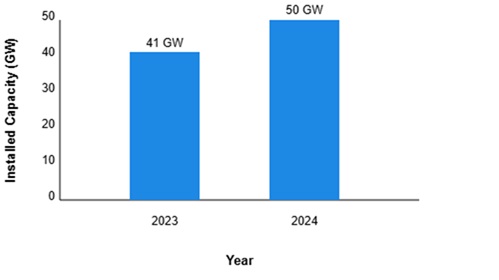
In 2024, the U.S. solar sector added nearly 50 gigawatts (GWdc) of new capacity, an impressive 21% increase over 2023. This surge reflects a growing preference for independent energy systems. Here’s what makes them so appealing:
- Reduced transmission losses due to shorter distribution distances
- Lower maintenance expenses with fewer infrastructure components
- Minimal land acquisition costs for system installation
- Decreased risk of widespread outages affecting operational costs
These standalone systems are reshaping how communities access power. Their decentralized nature allows for quick deployment and scaling, making them particularly valuable for areas where traditional grid infrastructure would be prohibitively expensive or impractical to implement.
Robust Design for Harsh Environments
Off-grid systems face intense environmental challenges that demand exceptional durability in their construction. These systems operate in remote locations where exposure to extreme temperatures, dust, moisture, and wind puts constant stress on equipment.
Each component, from solar panels to battery enclosures, must withstand these harsh conditions while maintaining optimal performance.
The following key elements contribute to creating a resilient off-grid installation:
- Strategic placement of components to minimize exposure to extreme elements
- Weatherproof enclosures with proper ventilation and thermal management
- Reinforced mounting systems that can handle high winds and heavy snow loads
- Redundant waterproofing methods at all connection points
- Impact-resistant covers and protective barriers against wildlife interference
Smart material selection paired with thoughtful system architecture creates installations that maintain reliable operation even in challenging environments. These design considerations directly impact maintenance needs and overall system longevity, ensuring consistent power delivery to remote locations.
Maintenance as a Lifeline
Regular maintenance is essential to ensuring the reliable performance of any off-grid system. When properly maintained, solar panels can last anywhere from 25 to 30 years, making upkeep a key factor in long-term functionality.
But maintenance isn’t just about scheduled checkups. It’s a strategic practice aimed at keeping every component running at peak efficiency. Effective maintenance programs require systematic attention to key system components. Here are the essential elements that need consistent monitoring:
- Battery bank inspection and cleaning to prevent corrosion and maintain optimal charge cycles
- Wiring examination to identify loose connections or signs of wear
- Solar panel surface cleaning and alignment verification
- Performance data logging and trend analysis
Documentation plays a vital role in system longevity. Creating detailed maintenance records helps track component performance over time and predict when replacements might be needed.
This data-driven approach to maintenance enables operators to make informed decisions about system upgrades and repairs, ultimately reducing downtime and extending equipment life.
Energy Diversification Strategies
Building strong off-grid power systems relies on combining multiple renewable energy sources to create a reliable supply chain. A well-balanced mix of different power generation methods helps overcome the natural limitations of any single source, creating a more dependable system that works in various weather conditions and seasons.
Smart energy diversification improves system reliability and creates a more adaptable power infrastructure. By spreading power generation across different technologies, off-grid setups can maintain consistent output despite changing environmental conditions. This approach proves especially valuable in remote locations where grid connections aren't available.
The key components of an effective off-grid energy diversification strategy include:
- Solar panels for daytime power generation and peak sunshine hours
- Wind turbines to harness energy during both day and night
- Micro-hydro systems for locations with flowing water sources
- Battery storage systems to store excess power
- Backup generators for emergency situations
Implementing multiple energy sources creates a self-sustaining ecosystem that maximizes power availability throughout the year. This strategic approach to energy generation reduces downtime risks and ensures a continuous power supply for essential operations. The combination of different renewable technologies also helps optimize resource use while maintaining system efficiency across varying environmental conditions.
Building a Smarter, Stronger Off-Grid Future
Off-grid success depends on more than installation. It requires intentional design, careful upkeep, and smart energy planning.
By weatherproofing components, balancing system loads, and diversifying your energy sources, you can protect your power supply against outages and extend your system’s lifespan. With the right strategy in place, you can enjoy seamless, self-sufficient power, no matter where life takes you.