
Smart Manufacturing Operations - From Precision Moldmaking to Continuous Production Lines
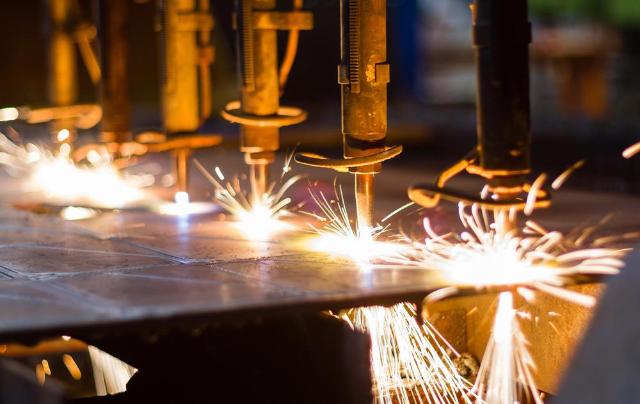
Image Source: depositphotos.com
A plastic bottle starts as a drawing. A mold shop cuts steel to match that drawing. An extrusion line melts plastic pellets and pushes them through a die. The bottle takes shape. Then it goes to filling.
That entire chain needs monitoring. In smart manufacturing, every step generates data. The question is whether you collect it. Companies that do collect this data gain a real edge. They catch defects early. They reduce downtime. They deliver consistent quality.
The precision end: moldmaking
Injection molds produce millions of parts per year. A mold that wears one percent faster than expected can cost a factory hundreds of thousands of dollars in downtime. Precision matters.
Modern mold manufacturing uses CNC machines with sensors. The machines report vibration, temperature, and spindle load. When a sensor detects unusual vibration, the operator knows the tool is dull. Change it now, not after it breaks. A broken tool ruins the workpiece and stops the machine for hours.
Automotive quality standards like IATF 16949 force traceability. Every mold gets a digital record. Who machined it. Which steel batch. When it was heat-treated. That data helps when a customer asks why 500 parts came out slightly off-spec.
Smart moldmaking connects design to production. A CAD file becomes a CAM program. The program goes to the CNC. Sensors check tolerances in real time. If something drifts, the system adjusts mid-process. This reduces scrap and speeds up delivery.
Some mold shops now use digital twins. A digital twin of the mold runs simulations before cutting steel. It predicts how the mold will fill. It identifies potential defects. These simulations save weeks of trial and error on the shop floor. The mold arrives at production ready to run, not needing adjustments.
Cooling system optimization is another area where digital tools help. Mold cooling accounts for most of the cycle time. A digital twin simulates cooling channel placement. It finds the optimal layout. Cycle times drop. Quality improves because the part cools evenly.
The continuous end: extrusion lines
Plastic extrusion lines run 24/7. They melt plastic pellets and shape them into pipes, sheets, profiles, and films. A typical pipe extrusion line runs for days without stopping.
The challenge is consistency. Melt temperature must stay within two degrees. Screw speed must be precise. Cooling water temperature affects the final product. If any variable drifts, the output quality drops.
Modern extrusion lines come with PLC control systems. These log every parameter. Data goes to a central SCADA system. The operator sees real-time readings on a screen. Alerts trigger when temperature goes out of range. The system can even adjust parameters automatically to keep the process in spec.
Some manufacturers integrate this data into a Manufacturing Execution System. The MES tracks overall equipment effectiveness. It tells the plant manager which line ran at what efficiency. It calculates the loss from jams, material changes, and slow startups.
For example, a PVC pipe manufacturer with ten extrusion lines can compare performance across shifts. The night shift might produce two percent more scrap than the day shift. The data reveals the cause. Maybe the night operator sets cooling temperature differently. A simple training fix reduces scrap by thousands of dollars per month.
Material tracking on extrusion lines is equally important. Different plastic grades behave differently. If the wrong material is loaded, the output fails specification. Barcode scanners verify material before it enters the hopper. The system prevents the wrong material from being used.
Bridging the gap
The smart factory connects mold shops to production lines. A plastic profile starts with a mold. The mold status affects production quality. If the mold has run one million cycles, it may need maintenance. The MES can schedule that downtime before a breakdown happens.
Cavity pressure sensors in molds provide real-time feedback. They measure pressure inside the mold during each shot. If pressure drops, the part might be under-filled. The system can adjust injection parameters on the fly. This closed-loop control reduces defects.
Data from both ends feeds the same analytics platform. A plant manager sees mold health, extrusion parameters, and final quality on one dashboard. When a defect appears, the system traces it back. Was it the mold, the material, or the machine settings? The answer comes in minutes, not days.
Predictive maintenance
The biggest win from smart manufacturing is predictive maintenance. A mold that shows increasing cycle time is wearing out. An extruder screw with rising motor current is developing problems. These patterns are invisible without data collection.
Predictive maintenance reduces unplanned downtime by 30 to 50 percent. It extends equipment life by catching problems early. It cuts maintenance costs by replacing parts only when needed, not on a fixed schedule.
For a high-volume manufacturer, an hour of unplanned downtime can cost tens of thousands of dollars. Predictive maintenance turns those hours into planned maintenance during off-peak times. The difference between an emergency repair and a scheduled replacement can be a factor of three in cost.
Vibration analysis on extruder motors detects bearing wear months before failure. Temperature monitoring on mold heaters identifies hot spots that indicate failing elements. Oil analysis on hydraulic systems reveals contamination before it causes pump damage. Each data stream contributes to the overall maintenance picture.
Conclusion
Smart manufacturing is not about replacing people. It is about giving them better data. A CNC operator with vibration data changes tools at the right time. An extrusion line operator with temperature trends prevents defects. A plant manager with OEE data plans maintenance proactively. These are small changes with big impact.
The connection between precision moldmaking and continuous production is a perfect example of the whole being greater than the sum of its parts. When both ends share data, the entire operation becomes smarter.