
Public Spaces Lead The Way To Better System Design

Public spaces are more than just parks, plazas, or town squares. They’re real-time laboratories of systems design. How people interact with these environments reveals essential truths about what makes a system work, adapt, and connect.
This article explores the key insights drawn from public spaces, which directly inform and elevate human-centered system design in the physical and digital worlds.
Designing For Community Needs
Effective systems design begins with a deep understanding of the people it is meant to serve. Public spaces offer a clear example of this idea. They work best when they reflect the values, habits, and daily realities of the communities that use them. Just as thoughtful systems depend on user feedback, successful public spaces rely on community input.
When planners take time to engage with residents, they often discover small but meaningful insights. A shaded bench can encourage rest and conversation. The angle of a pathway can change how people move through an area. These examples show how design choices can shape everyday experiences.
For example, when selecting playground equipment for kids, designers don’t just install the most colorful slides. They evaluate safety standards, accommodate various ages and abilities, and ensure the layout promotes both independence and social play. This process is rooted in empathy and responsiveness, the core ingredients of any robust system.
Designing for community needs means listening carefully and responding with purpose. Whether the system in question is a neighborhood park or a digital dashboard, people come first.
Human Centric Environments
About 95% of public space professionals report that public spaces either need improvement or are failing to meet community needs. This recognition has driven a shift toward human-centered design, transforming how we create and evaluate public environments and systems.
Modern design philosophies now prioritize user comfort and mental well-being above all. Both physical layouts and digital interfaces require thoughtful consideration to promote emotional health and user satisfaction.
Systems designers are responding by implementing features that address psychological needs without compromising functionality. This shift has inspired innovative ways to design spaces that foster positive experiences, including:
- Integration of natural elements and biophilic design principles
- Flexible spaces that adapt to different emotional states
- Stress-reducing color schemes and lighting solutions
- Quiet zones for mental restoration
- Interactive elements that promote social connection
The impact of wellness-driven design extends beyond immediate user satisfaction. When systems actively support mental health, they create lasting engagement and foster stronger communities.
Adaptability and Flexibility
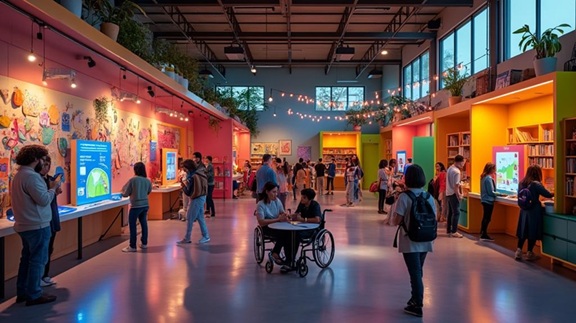
The success of public spaces hinges on their ability to adapt to different uses throughout the day, week, and seasons. These spaces showcase how flexible design becomes essential for serving diverse community needs.
Parks that transform from morning exercise spots to afternoon picnic areas, and then into evening entertainment venues, demonstrate the power of adaptable layouts.
Dynamic systems that can shift and scale with changing requirements offer advantages in physical and digital environments. The principles of adaptable design extend beyond just space allocation. They encompass how people interact with and move through environments as their needs change.
Here's how flexible design principles enhance system functionality:
- Modular components that can be reconfigured based on usage patterns
- Scalable infrastructure that grows with increasing demand
- Multi-purpose spaces that serve different functions at different times
- Adjustable elements that respond to seasonal or temporal changes
Implementing adaptable features in system design creates lasting value by preparing for future modifications.
Just as public spaces must accommodate planned events and spontaneous gatherings, technological systems need built-in flexibility to handle predictable changes and unexpected scenarios. This approach ensures that investments in infrastructure remain relevant and useful as community needs evolve over time.
Feedback Loops and Continuous Input
Public spaces thrive on community feedback, shaping their evolution through direct input from daily users. Gathering and acting on user responses has become a cornerstone of successful public space management. This approach mirrors effective systems design, where continuous feedback drives improvements and adaptations.
System designers can learn valuable lessons from how public spaces collect and implement community suggestions. The iterative process of refining spaces based on actual usage patterns creates a dynamic environment that truly serves its users.
Here's how feedback mechanisms benefit both public spaces and system design:
- Real-time adjustments based on user behavior patterns
- Community-driven priorities that shape development decisions
- Enhanced user satisfaction through responsive changes
- Strengthened sense of ownership among stakeholders
- Increased trust through transparent communication
When users see their feedback reflected in improvements, they develop a deeper connection to the space or system. This engagement cycle builds trust and encourages continued participation, creating a self-sustaining loop of enhancement and refinement that benefits all stakeholders.
Build Flexible, Human-Centered Systems That Last
Public spaces offer more than gathering spots. They reveal powerful lessons in creating systems that are responsive, flexible, and human-centered.
By prioritizing empathy, adaptability, and continuous feedback, designers can build environments that evolve with real-world needs.
In every system, as in every park bench, pathway, or playground, the message is clear: design for people first, and lasting impact will follow.