
Money Orders in a Digital Era: Leveraging Tools for Better Payment Processing
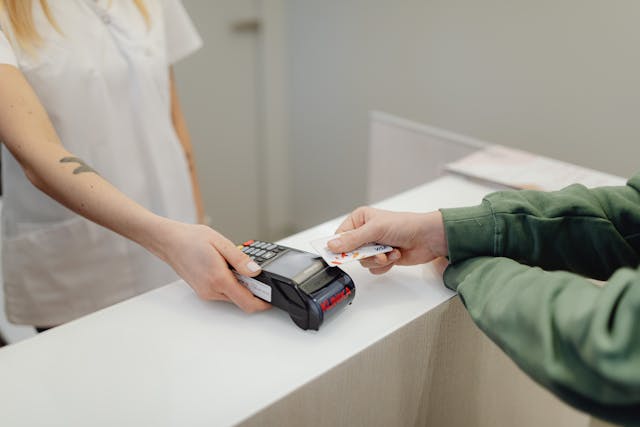
A money order is a form of payment that works much like a prepaid check. It’s a written instruction to pay a specified amount to a designated recipient, often used in exchange for goods or services. Because the funds are prepaid, money orders are generally more secure than personal checks, there’s no risk of insufficient funds.
Today, money orders have evolved through digitalization. This shift reflects a broader trend toward streamlining financial transactions, making them faster, safer, and more convenient. Digital tools now allow money orders to stay relevant and efficient in an increasingly online world. Here are some of the key tools that help modernize money orders and enhance payment processing.
Digital Money Orders
Digital money orders are literally digital counterparts of money orders in paper form. They act exactly like money orders in paper form, except that they get settled electronically. They happen in real-time with encryption, security against fraudulent attempts, and tracking, thereby quicker and more secure than money transfers in paper form.
The process typically starts with the sender visiting a digital platform to purchase an electronic money order. After that, the sender pays through a connected bank account, debit/credit card, or any other permitted mode of settlement. After settling the money, a digital copy of the money order gets generated, accessible to the recipient through email or through the very platform.
Bringing Money Orders into the Digital Space
As mentioned, instead of going to a physical location like a bank or post office, people can now purchase money orders online through certain digital services. For example, the semi-independent federal agency USPS (United States Postal Service) allows people to buy money orders online. However, the physical form still needs to be mailed to the recipient.
Aside from processing money orders, many online platforms provide financial education about the processes, pros, cons, and alternatives of these payments. They may also explain why a money order is a better option than a bad credit loan because it reduces the risk of dishonored payment fees and debt accumulation.
Modern Solutions for Bulk Money Transfers
Mass payment tools allow businesses to disburse money in bulk to multiple beneficiaries, simplifying what would otherwise entail multiple individual money orders. Through automation, businesses save significant time while maintaining high accuracy in bulk disbursements such as commissions, vendor payments, and affiliate payouts.
For businesses that print periodic money-order-like disbursements, the systems introduce digital efficiency as well as the safety and audibility that money orders provide in paper form. The systems accommodate varying payment delivery mechanisms, including Automated Clearing House (ACH), wire, and check disbursement, all of which can be traced.
Streamlining Payments Through Invoicing Tools
Invoice tools and payment links enable the simplified request for electronic payment instead of waiting for money orders in the mail. An invoice or payment link is sent to the payer where they can pay online via bank transfer, wallet, or card. The slow manual payment is eliminated in favour of instantaneous confirmation and automatic creation of the receipt.
Such tools simplify remote billing for freelancers and small businesses. These platforms maintain transparency by tracking when invoices are viewed and paid, ensuring accountability similar to physical money orders. Their integration with accounting systems makes cash-flow tracking easier and eliminates delays caused by postal or manual payment processing.
Digital Organization for Smarter Tracking
Handling several transactions becomes hard, and that's especially true with dealing with money over a period of time or on multiple platforms. That's why it's so important to track money orders so that financial accounts stay up to date and so that payments go through easily. This works with organizational tools that are able to track money order status and document information.
Begin by keeping track of the important specifics of each money order, including money order number, date issued, amount, payee's name, and tracking number (where available). Then, keep a soft copy of this in a note-taking software or set up a spreadsheet to keep all money order data in one file. This also helps users correct data on the move.
Streamlining Payments with Financial Planner Apps
Financial planner apps provide a centralized platform to record, monitor, and ensure all money orders are processed on time. They can also help you set reminders, track upcoming payments, and keep a clear record of sent payments. This is particularly useful for following up or confirming whether a payment has been received.
These apps allow users to input the amount, due dates, and payment frequency for each money order they send. Once set up, they can send you reminders when a payment is due. Similar to organizational tools, these apps can also log each money order transaction, capturing details such as payment amounts and tracking numbers within the app’s records or transaction history.
Embracing Digital Evolution in Money Orders
In today’s fast-paced financial world, the digital transformation of money orders brings unmatched convenience, security, and efficiency. Regularly update digital tools, secure financial data, and monitor transactions for transparency. These small investments ensure big rewards in keeping money orders reliable, traceable, and future-ready in the digital era.