
Make Your Office a More Productive Environment
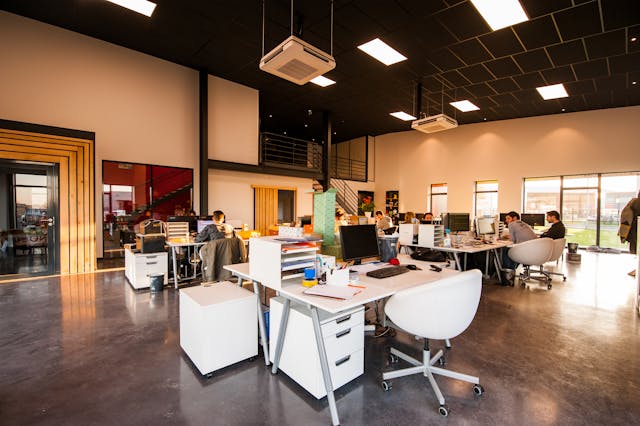
Productivity is not one of those things that can just come from good intentions or giving your employees a long to-do list. It is something that is heavily influenced by the environment that people work in each and every day. So, no matter how many talented people you employ or how much you spend on the latest software, or no matter how ambitious your goals may be as a company, if your office setup is not quite right, your productivity is never going to be as high as it could be.
The good news? It is totally possible to create a more productive office space without a full redesign in many cases. All you need to do is make a few thoughtful adjustments, and you should see an improvement. Sound good? Read on.
Prioritize comfort first
Before you think about aesthetics, start with comfort. Poor lighting, uncomfortable chairs, and cluttered desks quietly drain energy from your employees over time, and this is something that you can pretty easily fix.
Ergonomic seating and adjustable desks reduce physical strain. Proper monitor height and supportive keyboards can prevent long-term discomfort. Natural light, where possible, helps regulate mood and concentration.
When employees are physically comfortable, they can focus on their tasks rather than shifting around in their seats every ten minutes.
Reduce noise and distractions
Open-plan offices are great for encouraging collaboration, but they can also cause a lot of constant background noise to be present, which can be pretty distracting when employees need to get on with their work without any input or distractions. Conversations, phone calls, and movement can make it difficult to concentrate on detailed work.
Providing quiet zones or designated focus areas can, then, make a significant difference. Some companies are incorporating solutions like Deskup office pods to create private spaces within open environments. These pods allow employees to take calls, hold small meetings, or complete focused work without leaving the office entirely.
Balancing collaboration with privacy is key. Too much of either can limit productivity, which is the exact opposite of what you are looking to do, right?
Create clear zones for different tasks
One really simple change you can make to your office space, which could see productivity soar, is to simply create different zones for different types of work. It sounds obvious when you say it, but different kinds of work require different types of space. For example, brainstorming sessions thrive in open, flexible areas. Deep focus tasks, on the other hand, require quiet and minimal interruption.
So, it is a really smart idea to design your office accordingly with purpose driven zones. A collaborative area with whiteboards and comfortable seating. A quiet corner for individual work. A separate space for informal discussions.
When employees can choose the environment that best suits their current task, efficiency improves naturally.
Keep the space organized
You might not think clutter is a big deal unless you have an important client coming in and you want them to be impressed by your space and not put off by the mess, but actually, clutter can increase stress in office employees and make it much harder for them to prioritize tasks.
What can you do about that? Encourage clean desk policies or provide adequate storage so that surfaces remain clear. Oh, and don’t forget digital clutter because that can be a stressor too. Simple filing systems and organised shared drives prevent wasted time searching for documents.
An organized space creates mental clarity, which translates directly into better focus, so make it happen however you can.
Add elements to support wellbeing
Productivity is closely tied to wellbeing. Offices that feel sterile or overly harsh can negatively affect morale, which isn't really surprising when you think about it, is it?
One simple thing you can do to support wellbeing is to introduce plants that will improve air-quality and visual softnes sin the space. You can also use warm lighting rather than overly bright fluorescent bulbs. Oh, and incorporate breakout areas where employees can step away briefly.
Even small changes, such as providing good quality coffee or comfortable communal seating, can boost overall satisfaction. Happy employees are generally more productive employees.
Encourage movement
Sitting for long periods is one of those things that zaps energy and reduces focus in just about everybody, so it is never a bad idea to do what you can as a business owner to encourage youre staff to move more throughout the day. It might sound counterintuitive, but it really can improve output.
Standing desks, flexible meeting formats, or even simple reminders to stretch can prevent that mid-afternoon slump. Some offices create informal walking meeting spaces to combine discussion with light activity.
Movement stimulates creativity and helps prevent fatigue, so do all you can to support it in your workplace.
Set clear expectations
The physical environment matters, but clarity around expectations is just as important. If employees are unsure about priorities or deadlines, no amount of ergonomic furniture will fix that.
So, ensure that communication channels are clear. Define goals and responsibilities. Use project management tools to keep everyone aligned. When people know exactly what is expected of them, they can direct their energy effectively.
Foster a culture of focus
Even in a well-designed office, constant interruptions can derail productivity. Encourage a culture that respects focus time. This might mean setting designated quiet hours, limiting unnecessary meetings, or using messaging platforms thoughtfully rather than constantly.
Small cultural shifts often have a bigger impact than expensive redesigns, so be sure to invest some of your time into them because they could pay off even more than pumping lots of money into your office design at the end of the day.
Now you know a few tricks that will help you to make your office more productive, you should set about implementing them as and when you think they would be helpful, but you should also bear in mind that you need to review and readjust your processes regularly because things change and how you support your staff to be more productive often needs to change, as a result too.