
Lowering PUE: Building Envelope Efficiency in Edge Computing Units
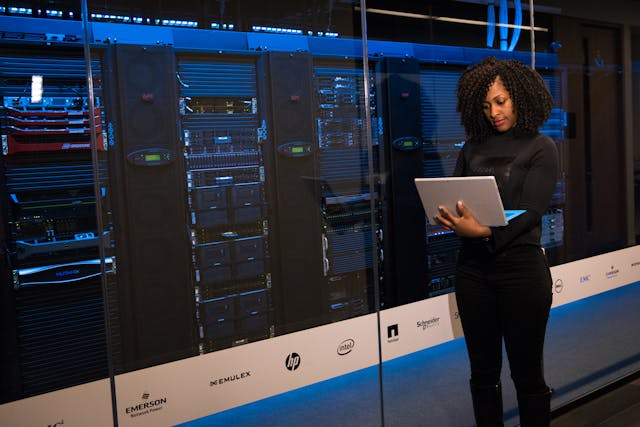
Edge computing is changing how we handle data across the globe. Smaller units closer to the user need smart cooling to stay efficient. Compact systems handle big tasks in small spaces without needing giant server rooms.
Power Usage Effectiveness (PUE) tracks how much energy goes to IT versus support. Improving the outer shell of units helps keep costs low. High efficiency is a goal for every tech site, and it saves money.
Understanding The Power Usage Metric
PUE is a simple ratio for measuring success. It shows the total facility energy divided by the power used by servers. Managers want the number as close to 1.0 as possible to save cash.
Lowering the number means less waste in the system. Edge units often struggle since they sit in harsh outdoor environments. They face sun, wind, and humidity every day in remote spots.
A tight building envelope keeps the heat out. It reduces the load on cooling systems, and it is the first line of defense for any remote data site working in the field.
Strengthening The Outer Shell
Edge units are often modular containers. They need strong protection from the elements to stay cool. The boxes sit in parking lots or on rooftops where heat gathers quickly.
External protection is a smart way to lower costs. Since Elite Impact Glass serving Miami Bahamas and Caribbean provides the necessary durability for coastal deployments, the investment prevents heat leaks in sunny regions. Strong materials shield the unit from salt and wind.
Using better materials saves money. It prevents the air conditioning from working too hard. This keeps the internal environment steady and safe for sensitive chips.
Investment Trends In Data Infrastructure
More money is flowing into data storage than ever before. Companies are building faster to meet high demand. Rapid growth requires smarter building designs to avoid high bills.
One report mentioned that private spending on data center construction topped $28.3 billion in 2024. This was a $10 billion jump from the year before. The scale of the projects is massive across the globe.
Growth means efficiency is a top priority. Better building shells are part of the strategy. Firms want to see high returns on their $28.3 billion investments every year.
Choosing The Right Insulation
Climate conditions dictate the best way to protect your hardware. A strategy for a unit in a snowy forest will likely fail in a hot desert. Managers must pick materials that match the local weather, which is a smart choice to keep the PUE low.
Research on building retrofits notes that wall and roof insulation works best in cold zones. A different report found that cool roofs work better for units in warm regions. Matching the material to the climate is a winning move for any tech site.
Picking the right material for the roof blocks solar heat from entering the unit. This is a big win for edge units sitting under the direct sun. It stops the heat from baking the servers inside the metal shells. A simple step keeps the internal environment steady for 10 years or more.
Smart Temperature Adjustments
You do not always need to keep the server room freezing. Modern hardware can handle slightly higher heat. Testing shows that many servers are very tough and handle warm air well.
A tech article pointed out that raising the temperature by just 1°C can cut cooling costs by 4% to 5%. It is a cheap way to boost efficiency. It requires no new hardware or expensive upgrades to the current system.
Adjusting the thermostat works best with a sealed envelope. It makes certain the cold air stays where it belongs. Proper sealing keeps the 4% savings in your pocket for a long time.
Long-Term Benefits Of Efficiency
Investing in the shell of an edge unit pays off. It lowers energy bills and protects the hardware inside. Managers see the benefits on their monthly balance sheets quite clearly.
The following list shows common benefits of building efficiency:
- Lower monthly utility bills for the owner.
- Reduced wear on cooling fans and motors.
- Better hardware life spans for expensive servers.
- Higher overall network reliability during heat waves.
Efficiency makes the network more reliable. It prevents overheating during peak summer months. The benefits help the bottom line for years to come for the operator.
Building better edge units starts with the envelope. A strong shell and smart cooling settings create a perfect balance. Every little change helps the planet and the budget in the long run.
Focusing on PUE keeps the units sustainable. Small changes in design lead to big savings in the future. Effective strategies keep data moving at high speeds for everyone.