
How to Read the City Without Leaving Your Screen
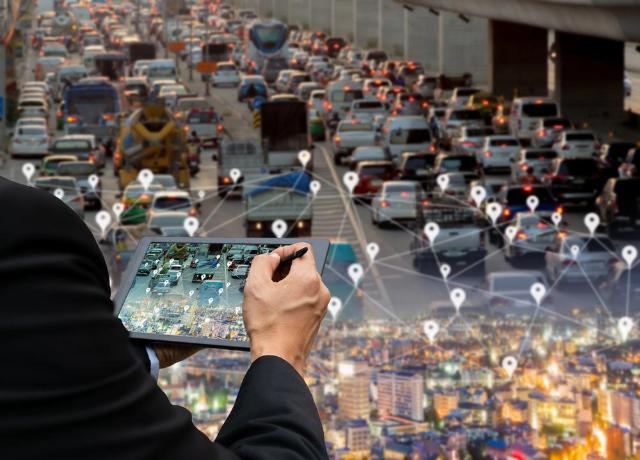
Image Source: depositphotos.com
Understanding how a city operates has never required full immersion on foot or hours of people-watching from a bench outside a train station. These days, real-time data and digital platforms do most of the legwork. Anyone can read the flow of a city by observing its online signals, which move as rapidly as traffic during rush hour. Location-based apps, social feeds, open data portals, and maps with live overlays create an ongoing narrative of urban behavior. Individuals can use this information to understand how people move, where they gather, and what draws their attention at particular times.
Interfaces That Interpret Movement and Meaning
Reading a city through screens relies on tools that collect and process location-specific data with speed and precision. Google Maps and Apple Maps show real-time traffic, congestion levels, and transit updates. Waze adds user-submitted alerts about roadblocks and hazards. ArcGIS maps foot traffic and infrastructure layers with input from public and commercial feeds. Citymapper displays multi-modal routes using live transit data. TomTom indexes congestion and movement patterns.
Tableau and Power BI present visualizations of urban trends when connected to live data streams. Instagram and Twitter reveal where people gather, through geotagged posts and trending locations. Weather services like AccuWeather adjust forecasts block by block. The iPhone played a major role in setting expectations for this ecosystem, with GPS, motion sensors, and connectivity features that allowed these applications to deliver consistent, location-aware updates directly from the palm.
What Digital Signals Reveal and Why People Follow Them
Travelers entering foreign cities rely heavily on digital signals to avoid wasting time and getting lost. These signals give structure to unfamiliar places. A person arriving in a new city can check real-time transit apps to avoid delayed lines, use crowd-density maps to skip bottlenecks, and review location-based posts to see which areas stay active after hours. This helps with both planning and in-the-moment adjustments.
Live updates on temporary closures, route changes, and entry restrictions matter most to those without local knowledge. Digital readings allow visitors to track shifts in foot traffic, opening times, and activity peaks. This becomes especially helpful in cities with active night zones. For instance, Melbourne’s nightlife operates with a rhythm that changes by the hour. The same goes for Melbourne's casinos scene, where foot traffic flows between venues in waves that can be difficult to predict without local insight. Digital patterns help reveal that rhythm and make it visible on a screen.
What Screens Show About Public Behavior
Real-time maps and social feeds highlight how spaces respond to people’s presence. When live crowd overlays show congestion at transport hubs, they often correlate with delays or seasonal shifts. Posts tagged by location show which events gather momentum and which fizzle out. By watching the timing of such changes, observers detect behavioral regularities that go beyond marketing trends.
Urban analysts frequently compare time-based readings across days and weeks. This helps isolate standard weekday traffic from weekend spikes. Retailers use similar observations to monitor how foot traffic interacts with open hours and promotional placement. Through this pattern, digital signals form a map that operates through rhythm and consistency. Public squares, for example, generate activity at regular intervals tied to weather, calendar dates, and event schedules. This creates a layered narrative that digital observers can dissect without stepping outside.
Why Precision Sometimes Fails to Deliver the Full Picture
AI plays a central role in how digital systems interpret cities. These systems rely on algorithms, filters, and tags to make quick decisions about what information matters. To do this, they apply broad models to specific situations. That works most of the time, but the cracks begin to show when a city behaves in ways the model did not expect. A road closed for maintenance may still appear open because satellite data updates in slow intervals. A flash crowd might go unnoticed until enough users post about it from the same location.
The issue lies in how AI handles patterns. It treats repeated shapes in data as categories and often assumes context from structure alone. That leads to mistakes. A peaceful gathering may appear as a protest, or an outdoor market might be logged as a music event. These systems work on rules, but cities run on variables. AI misinterpreting data happens when the system chooses a familiar box for something that never fit in one. This does not reflect malfunction but the limits of sorting living behavior into predefined labels.
Why Screen-Based Reading Has Shifted from Novelty to Utility
The shift toward reading a city through a screen began as a convenience and eventually became a standard practice across sectors. For logistics providers, it cuts planning time. For service providers, it sharpens responsiveness. For individuals, it provides a lens into surroundings without the commitment of presence. This mode of observation builds new expectations. People rely on visual cues that simulate presence and prioritize real-time response.
As digital layers become part of daily interpretation, they reshape how people define accuracy and relevance. This digital reflection of cities continues to evolve through collaboration between platforms and data contributors. Screens now serve as reliable indicators of movement, preference, and availability. They bring together practical information that shapes daily decisions, long-term planning, and spontaneous discovery.