
How to Improve Ventilation in Industrial Steel Facilities
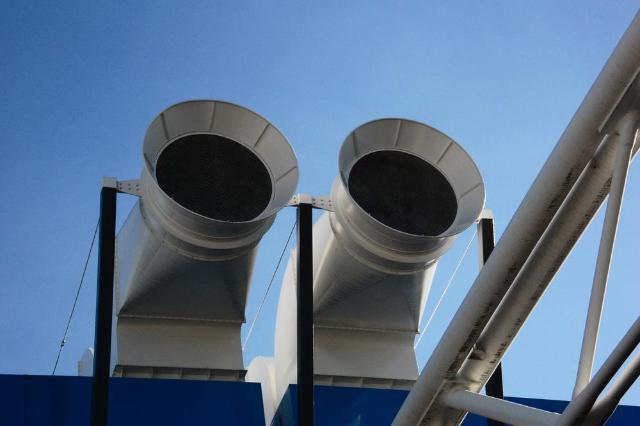
Image Source: depositphotos.com
Industrial steel facilities also require proper ventilation as the means of ensuring air quality, temperature regulation, and occupant safety in the facilities. In the absence of proper air circulation, it will soon cause the accumulation of heat, moisture, fumes, and airborne contaminants and result in discomfort, strain on equipment, and possible health hazards. Steel structures are tough and effective, however, their closed construction needs careful thinking whereby it should be well planned to allow the ventilation to be uniform and efficient across the area.
Measure Actual Ventilation Measures
Facility owners ought to analyze the current flow of air in the building before improvement. This involves the detection of areas of stagnation, monitoring the change in temperature and checking areas where fumes or dust are collected. The patterns that may be seen during the everyday operations include heat accumulation around machinery or lack of circulation in storage areas. An examination on a case-by-case basis gives a clear picture of what needs to be changed.
The mechanical systems that are in place such as exhaust fans, air intakes and duct work should also be reviewed. Lots of industrial premises depend on the systems that were installed at the beginning of the construction, and they might be inadequate to satisfy the operational requirements. Airflow requirements can be increased as production grows or layouts are altered. The initial step towards effective improvement is to understand the difference that exists between the present performance and the desired conditions.
Enhance Design of Natural Ventilation
Natural ventilation is one that can be very beneficial in increasing airflow when incorporated into the building design. The roof vents, ridge vents, and wall louvers will enable air to ascend and leave the house thus bringing in cooler air. The process minimizes indoor heat accumulation and helps in improving the flow of air without heavy use of mechanical systems. The strategic positioning of openings provides an even distribution of air within the whole facility.
Prefab metal buildings are constructed to have flexible wall and roof structures which can be fitted with extra vents or transparent panels. Daylight and ventilation can be enhanced simultaneously by the incorporation of these features in upgrades or expansions. Facility managers can use the maximization of natural airflow to minimize the amount of energy used and to make the working environment more comfortable.
Modernize Mechanical Ventilation Systems
Natural ventilation is desirable; however, the majority of the industrial steel plants must have the mechanical systems to cope with the large production loads. When fitted with the right size and location, high capacity exhaust fans, roof mounted ventilators, and air circulation fans can significantly increase the airflow. These systems purify unclean air and substitute them with clean fresh air so that the indoor conditions do not change.
The nature of the modern pre engineered steel buildings is sometimes easily integrated with upgraded mechanical equipment. Their structural framing systems give clear spans and therefore it becomes easier to install large fans or duct networks without significant alterations. In the case of an upgrade, one must determine the airflow needs depending on the area size, the height of the ceiling, and the equipment generated, to make the system work effectively.
Control Heat and Moisture
The activities in the industries often produce a lot of heat and humidity. Internal temperatures can rapidly be elevated during welding, fabrication and manufacturing equipment. Otherwise, overheating exposes workers and equipment to pressures. The installation of high volume low speed fans can also be used to spread the air uniformly in the building and eliminate hot spots.
Control of moisture is also a must especially in those facilities in wet climates. Corrosion and structural problems that can take place in the long term are associated with condensation on the surface of steel. Effective insulation and equal ventilation inhibit the accumulation of moisture. Facility managers ensure the building and its equipment are safe by ensuring that the air flow and temperature is maintained at appropriate levels.
Maintain and Monitor Ventilation Performance
Enhancing ventilation is not a single process. Maintenance is done continuously to provide system availability at optimal levels. It is recommended that filters are checked at frequent intervals, vents are clean and free of any debris and mechanical parts are serviced as per the instructions of the manufacturer. Minor maintenance problems are capable of lowering the efficiency of airflow within a short time when not addressed.
The ability to track the quality of indoor air and temperature changes is a useful feedback on the system efficiency. The use of simple sensors that are installed enables the facility managers to monitor performance and where the performance is not from track. Industrial steel facilities can have healthy airflow, ensure the productivity of the workers and increase the life of the building and the equipment with regular evaluation and active maintenance.
A balanced approach which consists of adequate evaluation, intelligent design modification, sound mechanical systems and regular maintenance is essential in enhancing ventilation in industrial steel facilities. Providing solutions in advance, the facility owners can ensure a safer and more productive working environment and also keep the valuable equipment and structural parts, as well. Considerable ventilation planning does not only help to improve day to day operations but also adds to the long term efficiency and sustainability within the building.