
How Engineered Fall Protection Improves Safety for Rooftop Maintenance Teams
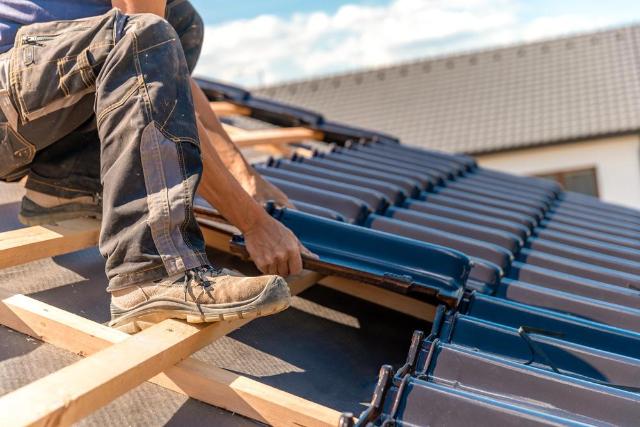
Image Source: depositphotos.com
Rooftop maintenance is one of the most hazardous jobs in the modern facility management industry. From HVAC technicians and solar panel installers to roofing contractors, these workers operate on the "front lines" of height hazards. Because rooftops are often perceived as flat and stable, there is a dangerous tendency to underestimate the risks involved. However, the introduction of engineered fall protection has revolutionized how these teams operate, transforming a high-risk environment into a controlled workspace.
Generic safety solutions often fall short on a roof. Wind, weather-worn surfaces, and the sheer variety of rooftop obstacles, such as skylights, vents, and varying elevations, require a level of precision that only an engineered approach can provide.
Eliminating the "Swing Fall" Hazard
One of the most significant dangers on a rooftop is the "swing fall." This occurs when a worker is tied off to an anchor point that is not directly overhead or in line with their work area. If they fall, they swing like a pendulum, potentially striking the side of the building or a rooftop structure.
Engineered fall protection systems, specifically horizontal lifelines, are designed to follow the perimeter of the roof or the specific path of the equipment being serviced. By providing a continuous line of attachment that moves with the worker, these systems drastically reduce the radius of a potential swing, ensuring that if a slip occurs, the worker is caught immediately and safely.
Protecting Fragile Surfaces: Skylights and Vents
Not all rooftop falls happen over the edge. A significant number of fatalities occur when a worker steps onto a fragile surface, such as a skylight or a rusted metal deck. These "internal falls" are often more unpredictable than edge falls.
Engineered solutions address this through specialized covers or localized guardrails. Unlike temporary netting, engineered skylight screens are tested to withstand the impact of a falling person without failing. This creates a "set it and forget it" safety layer that protects anyone walking on the roof, regardless of whether they are wearing a harness.
The Advantage of Permanent Solutions
Maintenance teams often work in short bursts. If a technician has to spend 30 minutes setting up a temporary anchor to perform a 10-minute filter change, they are tempted to skip the safety step "just this once."
By installing engineered fall protection as a permanent fixture, the barrier to safety is removed. A permanent rooftop lifeline or a set of non-penetrating guardrails is always ready. This significantly increases compliance rates among third-party contractors and internal teams alike, as the "easiest" way to do the job becomes the "safest" way.
Top 3 Rooftop Engineered Solutions
-
Non-Penetrating Guardrails: These use weighted bases to stay in place without piercing the roof membrane, preserving the warranty while providing passive protection.
-
Constant Force Posts: These engineered anchors are designed to deploy and absorb energy during a fall, protecting both the worker and the delicate roof structure from damage.
-
Horizontal Lifelines (HLL): Stainless steel cable systems that allow multiple workers to stay connected while moving across vast roof areas.
Conclusion
For rooftop maintenance teams, safety should never be a burden. Engineered fall protection bridges the gap between productivity and protection, ensuring that the people who keep our buildings running can do their jobs without fear. It is an investment in human life that pays dividends in peace of mind.
Frequently Asked Questions
-
Will engineered systems damage my roof or void the warranty? Quite the opposite. Professional engineered fall protection providers design systems that either use non-penetrating bases or are flashed into the roof according to the manufacturer's specifications, often better protecting the roof than temporary, heavy equipment.
-
Do technicians need special training for these systems? Yes. While engineered systems are more intuitive, workers must still be trained on how to inspect their PPE and how to properly transition between sections of a lifeline.
-
Can these systems be installed on sloped roofs? Absolutely. Engineered systems can be custom-contoured to almost any pitch, from flat commercial roofs to steep-sloped industrial peaks.
-
What is a "Warning Line" system, and is it engineered? Warning lines are typically ropes and flags set 6-15 feet from the edge. While they are a recognized OSHA safety measure, they are not "engineered fall protection" because they do not actually stop a fall, they only provide a visual cue.