
How Digitalization is Transforming the Energy Sector
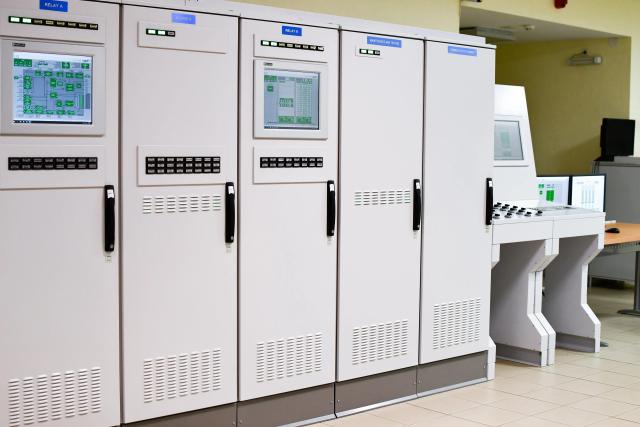
Digitalization has become a key driver of economic and social development. It is transforming the way businesses are managed, opening new opportunities for innovation, and making processes more efficient. In the energy sector, which forms the foundation of any country, digital technologies play a particularly important role: they not only enhance productivity but also ensure stability, security, and transparency while operating energy systems.
Examples of Technologies: Big Data, IoT, Smart Sensors
- Big Data helps energy companies analyze vast amounts of information, including electricity consumption, demand forecasts, and weather factors. This enables optimized production and helps prevent overloads.
- Internet of Things (IoT) integrates “smart” devices into a unified system. Meters, substations, and other elements of the energy network become the sources of real-time data.
- Smart sensors enhance accuracy of equipment monitoring. They inform operators about malfunctions before they escalate into serious failures.
How Digitalization Impacts Energy Companies
Digital transformation opens up new opportunities for the advanced development of a country’s network infrastructure while increasing profitability of power grid and local electricity generation companies, including:
- Increased benefits for electricity market participants and provision of new services in the market.
- Development of auxiliary services market and energy storage services.
- Data forecasting and management, etc.
The main effect of digital transformation in the energy sector is a change in added value creation chains during electricity supply or service provision in the market. Examples of digital transformation implementation include introduction of new Radiy management systems in power systems, creation of balancing groups for electricity market participants, virtual power plants, and services provided by energy storage system operators.
Due to digital technologies, companies can allocate resources more efficiently, reduce maintenance costs, and respond more quickly to emergency situations. At the same time, quality of customer service increases: consumers gain access to smart meters, mobile applications for consumption monitoring, personalized tariffs etc..
Possible Stages of Digital Transformation
Even at early stages of developing the digital transformation strategy, four segments of digital technologies can be distinguished:
- “Hardware” segment – everything related to the physical aspects, including robotics and physical automation https://radiy.com/en/projectstpp/the-automatic-control-and-monitoring-ic-system/.
- Data and processing segment – blockchain, digital twins, AI, and other technologies.
- Processes and software segment – mobile and web applications, augmented and virtual reality, etc.
- Sensors and connectivity segment – NFC, RFID, Internet of Things, geotags, and more.
This list is not fixed, as we live in a world where new technologies can emerge and fundamentally change the rules of the game very quickly. Therefore, it is important to continuously monitor new developments.
Security and Transparency: Key Advantages
Digitalization strengthens cybersecurity of the energy systems, allowing critical infrastructure to be protected from attacks. It also enhances transparency in the relationships between suppliers and consumers: data on energy production and consumption become accessible and understandable. This builds trust and stimulates market development.
Why Digitalization Is Not a Trend but a Necessity?
Digitalization of the energy sector is not a temporary trend but a strategic direction that will determine the competitiveness of countries and companies in the near future. It enables reliability, cost-efficiency, and environmental sustainability in energy. Those who implement digital solutions today will be a step ahead tomorrow. Therefore, digitalization should be seen not as a challenge but as a unique growth opportunity.
For example, according to the World Economic Forum, 5G can generate $13 trillion in value for the global economy and create 22 million jobs by 2035. Artificial intelligence technologies could contribute even more—$15 trillion by 2030. China and the USA are making significant investments in these areas, highlighting a major geostrategic role these technologies will play in the future.
Emphasizing the role of new technologies in energy, it is worth noting that the sector is moving toward greater resilience. By 2050, it is expected that 42 million people will work in sustainable energy compared to 11 million today. Therefore, it is time to start addressing the need for skilled personnel, as this will soon become extremely relevant.
Join the digital transformation with us! Order our company’s products and receive reliable solutions for modernizing the energy sector.