
Floating Dock Builders on Choosing the Right Materials for Harsh Marine Environments
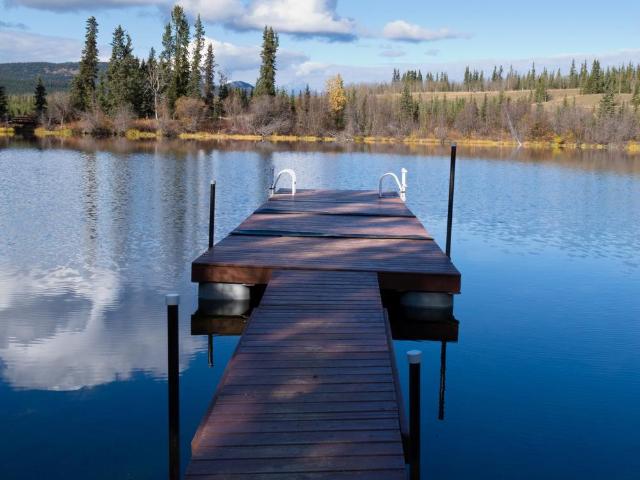
Image Source: depositphotos.com
The ocean is beautiful, but it is also one of the most destructive forces on Earth. Between saltwater corrosion, intense ultraviolet (UV) radiation, barnacles, and the constant physical pounding of waves, any structure built on the water is under siege from day one. If you are planning a waterfront project, selecting the right materials is the single most important decision you will make. This is why consulting with experienced floating dock builders is essential; they know exactly what survives and what fails in harsh marine environments.
When you invest in a floating dock, you aren't just paying for a place to tie your boat; you are paying for longevity. The wrong materials can lead to rot, rust, and disintegration within a few short years. Here is a look at how professionals navigate material selection for the toughest conditions.
The Foundation: Floatation Drums
The floats are the unsung heroes of your dock. In the past, builders used styrofoam blocks or empty oil barrels. Today, professional floating dock builders almost exclusively use rotationally molded polyethylene drums.
Why polyethylene? It is impervious to saltwater, gasoline, and oil. It doesn't corrode, and marine organisms (like barnacles) have a hard time destroying it. Furthermore, these drums are usually filled with expanded polystyrene foam. This ensures that even if the outer shell is punctured by debris during a storm, the drum will not fill with water and sink. For harsh environments with ice, these durable shells can often withstand the pressure of freezing water better than rigid containers.
Framing: Wood vs. Aluminum vs. Concrete
The frame is the skeleton of your dock.
-
Treated Lumber: While traditional, wood struggles in harsh saltwater environments. Even pressure-treated pine eventually succumbs to waterlogging and rot. However, for freshwater lakes, it remains a cost-effective option if maintained well.
-
Marine-Grade Aluminum: This is a favorite among modern builders. Aluminum is lightweight, incredibly strong, and naturally resistant to rust. In saltwater, aluminum creates a thin oxidation layer that actually protects the metal from further corrosion. It is low maintenance and handles wave action well due to its high strength-to-weight ratio.
-
Concrete: For marinas or areas with heavy wave action, concrete floating docks are the heavyweight champions. They are incredibly stable and durable. However, they are expensive and difficult to repair.
Decking: Where Durability Meets Aesthetics
The surface is where the sun does the most damage. UV rays break down the lignin in wood, causing it to gray, splinter, and crack.
-
Composite Decking: Professionals often recommend capped composite decking. It looks like wood but is made of a blend of plastic and wood fibers encased in a protective shell. It doesn't rot, warp, or splinter, and it resists fading from the sun.
-
ThruFlow/Polypropylene Grating: In areas with high storm surges, floating dock builders might suggest open-grate decking. This allows waves to pass through the deck rather than smashing against it, reducing the hydraulic load on the structure. It’s also slip-resistant and stays cool for bare feet.
-
Hardwoods (Ipe): For a luxury look, tropical hardwoods like Ipe are naturally resistant to rot and bugs without chemicals. They are incredibly dense and durable but require oiling to maintain their color.
Hardware: The Critical weak Points
You can have the best floats and decking in the world, but if your bolts rust, your dock falls apart. In a harsh marine environment, standard galvanized steel often isn't enough.
Builders generally insist on 304 or 316-grade stainless steel for all hardware. 316 stainless steel contains molybdenum, which drastically increases corrosion resistance, specifically against chlorides (saltwater). While expensive, it is non-negotiable for oceanfront properties.
Frequently Asked Questions
Q: Is aluminum framing better than wood for saltwater?
A: Generally, yes. Aluminum does not rot, warp, or suffer from worm damage. While it has a higher upfront cost, its lifespan in a saltwater environment is significantly longer, making it cheaper in the long run.
Q: How do I protect my dock from ice in the winter?
A: In harsh winter climates, "ice jacking" can destroy a dock. Builders may recommend a removable dock system or the use of "ice eaters" (agitators) that keep the water around the dock moving to prevent freezing.
Q.: Why do builders recommend open-grate decking?
A: Open grating allows sunlight to penetrate to the water below, which is often an environmental requirement to protect sea grass and marine life. It also makes the dock storm-resistant by reducing drag from waves and wind.