
The Connected Fulfillment Network: Delivering Speed, Accuracy, and Insight
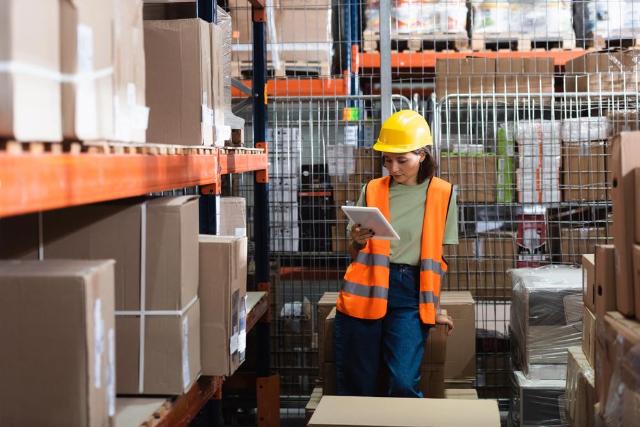
Image Source: depositphotos.com
In today’s fast-moving digital economy, customer expectations have shifted dramatically. Consumers no longer tolerate delays or errors—they expect orders to be accurate, fast, and transparent from the moment they click “buy.” Businesses are racing to meet these expectations, and fulfillment has become the new frontier for competitive advantage. Enter the connected fulfillment network: a system that brings together technology, data, and logistics into one intelligent ecosystem.
This connected model is transforming how businesses operate, helping them achieve speed, accuracy, and real-time insight across every step of the supply chain. It’s no longer about simply shipping a product; it’s about orchestrating a seamless and data-driven process that delivers value from warehouse to doorstep.
The Evolution of Fulfillment
For decades, fulfillment was a behind-the-scenes operation—an essential but often overlooked part of business logistics. Orders came in, warehouses picked and packed, and carriers shipped. But as e-commerce exploded, traditional methods quickly proved insufficient.
Disconnected systems led to communication gaps. Manual processes caused errors. And without visibility, businesses struggled to predict and respond to changes in demand. The result? Frustrated customers and missed opportunities.
A connected fulfillment network bridges these gaps by linking all moving parts—suppliers, warehouses, carriers, and data platforms—into one synchronized flow. The outcome is faster decision-making, better collaboration, and a level of operational clarity that was once impossible.
Building the Connected Fulfillment Network
At its core, a connected fulfillment network is powered by data integration. Every node—whether it’s a distribution center, retail store, or last-mile delivery hub—is connected through digital platforms that share real-time information.
This system creates a unified view of operations. Inventory levels, shipment statuses, and performance metrics become visible across the entire supply chain. Businesses gain actionable insights, while automation handles repetitive tasks like routing, picking, and labeling.
The network becomes even stronger when supported by cloud-based infrastructure and advanced analytics. Artificial intelligence and machine learning help predict demand surges, optimize inventory placement, and streamline delivery routes. These technologies not only speed up fulfillment but also minimize waste, improve accuracy, and enhance the customer experience.
Warehouse Efficiency: The Engine Behind Fulfillment
Behind every fast, accurate delivery is a warehouse running at peak efficiency. In the connected fulfillment model, warehouses are no longer isolated facilities—they’re vital nodes in a dynamic, data-driven network.
Modern warehouses leverage automation and analytics to improve every aspect of operation. Robotic picking systems reduce human error and speed up processing times. IoT sensors track inventory levels in real time, ensuring that stockouts and overstocking are avoided. Even energy use and equipment performance can be monitored to cut waste and extend lifespan.
A well-integrated warehouse management system is key to achieving this balance. For instance, a 3PL WMS can connect third-party logistics providers with a company’s internal systems, ensuring seamless visibility and coordination. This integration allows multiple stakeholders to share data instantly, improving collaboration and ensuring that each order moves efficiently from receipt to dispatch.
When warehouse efficiency aligns with the broader connected fulfillment network, the results are powerful: faster cycle times, fewer errors, and a consistently reliable customer experience.
Speed as a Strategic Advantage
Speed has become the new currency of commerce. Companies that can deliver quickly win loyalty—and market share. But speed isn’t just about moving fast; it’s about operating smart.
Connected fulfillment networks enable this by ensuring that products are stored closer to the customer. Using data-driven insights, businesses can strategically position inventory in the right locations to reduce shipping times. Predictive analytics helps anticipate customer needs before they arise, ensuring that the most popular products are always available in nearby facilities.
Moreover, automation in order processing and picking eliminates manual delays. Robots, sensors, and real-time communication between systems make it possible to process thousands of orders in minutes. Every link in the network works together to reduce friction and accelerate fulfillment without compromising quality.
Accuracy: The Foundation of Trust
While speed attracts customers, accuracy keeps them. A single error—an incorrect shipment or lost package—can quickly erode trust. In a connected fulfillment network, accuracy isn’t left to chance; it’s built into the system.
By linking all data sources, from purchase order to delivery confirmation, every action can be tracked and verified. Barcoding, RFID tags, and automated verification tools ensure that each item is correctly identified and routed. Machine learning algorithms can even flag potential discrepancies before they occur, preventing costly mistakes.
Accurate fulfillment also means accurate information. Customers want to know exactly where their orders are and when they’ll arrive. A connected system delivers this transparency, providing real-time tracking updates and clear communication throughout the journey.
Insight: Turning Data into Direction
Speed and accuracy are tangible benefits—but insight is what drives lasting improvement. A connected fulfillment network continuously generates data. This data, when properly analyzed, reveals patterns, inefficiencies, and opportunities for optimization.
Business leaders can see not only how their fulfillment operations are performing, but why certain issues occur. Are certain facilities underperforming? Is inventory lagging in specific regions? With these insights, companies can make proactive decisions rather than reactive fixes.
The most advanced networks integrate predictive analytics to anticipate future challenges. For example, by analyzing sales trends and seasonal fluctuations, businesses can forecast demand and prepare accordingly. This level of foresight leads to better resource allocation, reduced operational costs, and a more resilient supply chain.
Collaboration Across the Network
A connected fulfillment network thrives on collaboration. Instead of siloed departments or disconnected partners, every participant—manufacturers, logistics providers, retailers, and technology vendors—works together within a unified ecosystem.
This collaborative model fosters transparency. When all stakeholders share access to real-time data, issues can be identified and resolved quickly. For example, if a carrier experiences a delay, the system can automatically reroute shipments or alert customers, minimizing disruption.
In addition, collaborative planning helps balance workloads across the network. Warehouses and transport hubs can share resources, reducing bottlenecks and ensuring that demand is met efficiently. Over time, this coordination strengthens relationships, improves performance, and drives long-term growth.
The Role of Technology Integration
Technology is the backbone of the connected fulfillment network. Cloud computing, IoT devices, and AI-driven analytics provide the foundation for connectivity and intelligence.
Cloud platforms centralize data and make it accessible to all users, regardless of location. IoT sensors collect real-time information from equipment, vehicles, and inventory, giving companies immediate visibility into their operations. AI systems then analyze this data to identify trends, predict disruptions, and recommend solutions.
Integration is what ties it all together. When technology platforms communicate seamlessly, businesses can operate with agility and precision. Every action—from restocking a shelf to updating a tracking number—feeds into a continuous loop of information that strengthens the network over time.
Preparing for the Future of Fulfillment
The connected fulfillment network is not a passing trend—it’s the future of logistics. As markets grow more complex and customer expectations continue to rise, businesses that invest in connectivity will be the ones to thrive.
Future advancements will further blur the lines between physical and digital operations. We can expect to see increased use of autonomous vehicles, drone deliveries, and AI-driven decision-making systems that manage fulfillment with minimal human intervention. Yet the core principle will remain the same: connecting people, processes, and platforms to create a more intelligent and efficient flow of goods.
Conclusion
Fulfillment is no longer just about getting products from point A to point B. It’s about orchestrating a connected, intelligent network that delivers speed, accuracy, and actionable insight. Businesses that embrace this model position themselves to meet customer expectations with confidence—and to adapt quickly to whatever changes the market brings next.
The connected fulfillment network represents the evolution of logistics from a functional necessity to a strategic advantage. In a world where every second counts and every detail matters, the ability to see, act, and optimize in real time is what sets the leaders apart from the rest.