
Arizona Walkability and Green Spaces - A Growing Trend for People and Pets
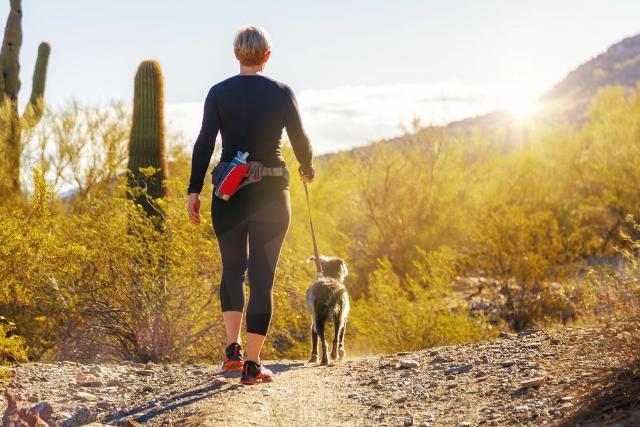
Image Source: depositphotos.com
What if Arizona’s cities were designed as much for walking and pets as they were for cars? Across the state, there’s a growing shift toward walkable neighborhoods and thoughtfully designed green spaces that serve both people and their animals. With more residents prioritizing health, sustainability, and convenience, city planners are rethinking how communities function.
Shade-covered trails, pet-friendly parks, and pedestrian-friendly infrastructure are becoming essential features in both new and revitalized developments. This trend reflects a broader cultural move toward livable, accessible spaces that support active lifestyles, even in a desert environment.
Why Does Walkability Matter
Walkability refers to how easy, safe, and pleasant it is for people to walk through a community. This includes factors like sidewalk availability, traffic safety, access to amenities, and how connected streets and paths are.
In Arizona, walkability also means designing neighborhoods that allow residents to get around on foot without relying entirely on cars, which is especially important in growing cities trying to reduce congestion and emissions.
For residents, walkable areas encourage daily activity, improve quality of life, and support mental health. When combined with safe and shaded walkways, they also create spaces where people feel comfortable bringing their pets along. As interest in sustainable, health-conscious living grows, so does demand for pedestrian-friendly environments. This shift is changing the way neighborhoods, shopping areas, and parks are designed throughout the state.
Green Spaces on the Rise in Arizona
Arizona cities are steadily increasing access to green spaces by integrating more parks, shaded trails, and community gardens into urban layouts. These areas offer a welcome break from concrete-heavy development, helping reduce the urban heat island effect while also giving people and pets places to enjoy the outdoors safely. Many parks now include dog-friendly areas, water features, and shaded rest spots designed with both comfort and climate in mind.
What sets Arizona’s approach apart is the use of desert-adapted landscaping and water-efficient planning. Instead of large lawns, newer green spaces often rely on native plants and creative irrigation methods that conserve water while maintaining beauty and function. This not only supports long-term environmental goals but also makes these areas easier to maintain and more resilient in Arizona’s dry climate.
Pet-Friendly Planning in Urban and Suburban Zones
More communities in Arizona are recognizing the role pets play in residents’ daily lives and are planning accordingly. Dog-friendly trails, designated pet areas, and walkable mixed-use developments with pet accommodations are becoming more common. These features allow pet owners to spend time outside with their companions without needing to drive to a park or leave their neighborhood.
Pet amenities aren’t just an afterthought, they’re often built into community planning from the start. Urban designers now consider things like pet waste stations, access to clean drinking water for animals, and safe walking surfaces when developing new residential areas.
With more pets in public spaces, safety and responsibility are increasingly emphasized. In the rare event that an incident occurs, such as a dog bite, it's important to understand your rights, something a local Arizona dog bite lawyer can help clarify.
How Arizona Cities Are Investing in Walkability
Many Arizona cities are putting funding and planning efforts toward making communities more walkable. Improvements like wider sidewalks, better lighting, safe crosswalks, and shaded walking paths are now common priorities in urban development.
These changes are not just cosmetic, they’re essential in helping people choose walking as a regular mode of transport, even during the hotter months.
Cities are also creating better trail systems that connect residential areas with public spaces, schools, and local shops. These improvements not only reduce reliance on cars but also encourage a sense of neighborhood cohesion.
Efforts are often informed by public input, with residents helping shape the walking paths and greenways they use daily. It’s a collaborative push toward healthier, more accessible city living.
Real Estate and Lifestyle Trends
Neighborhoods with high walkability and nearby green spaces are seeing increased interest, especially from younger families, professionals, and retirees who value convenience and lifestyle quality.
The ability to walk to shops, parks, or pet-friendly cafés is becoming a top priority for homebuyers and renters. As a result, these areas tend to retain value and see more consistent growth in demand.
Real estate developers are responding by incorporating walkable layouts, open-air communal spaces, and trails into residential planning. These features are no longer seen as bonuses, they’re becoming expected by residents who prioritize wellness and pet-friendly living. This trend shows how walkability and green space access are directly influencing how Arizona communities are built and marketed.
Challenges in the Desert Climate
While walkability is important, designing for foot traffic in a desert climate presents unique challenges. Heat and sun exposure can make walking uncomfortable or even unsafe during peak hours. To address this, urban planners are using more shade trees, covered walkways, and heat-reflective materials in sidewalks and plazas to create a more walkable environment year-round.
Equity is another important factor. Not all neighborhoods currently benefit from the same level of walkability or green space access. Lower-income and historically car-dependent areas are sometimes left behind in development plans.
Ensuring that improvements are made across all communities (not just in high-growth zones) is key to making walkability and green living accessible for everyone, regardless of location or income level.
What the Future Holds for Arizona’s Cities
Arizona cities are looking ahead with plans that further expand walkability and green infrastructure. Long-term development goals include better integration of bike and pedestrian networks, additional park projects, and more shaded public pathways. These improvements will make daily routines easier and safer for families and pet owners alike.
Public participation is expected to continue playing a major role. Residents, advocacy groups, and city planners are working together to ensure that future growth supports livability, sustainability, and accessibility. With more people choosing active lifestyles and pet ownership rising, the focus on walkable, green, and inclusive spaces is likely to shape the future of Arizona’s urban identity.
Conclusion
Arizona’s investment in walkability and green spaces is not just improving urban design, it’s reshaping how people and pets experience daily life. As more communities embrace shaded paths, native landscaping, and pet-conscious planning, the state is setting a practical example of how to adapt livable spaces to a harsh climate.
The benefits extend beyond convenience, supporting healthier routines, stronger communities, and greater environmental resilience. With continued planning and public input, walkable and green-centered living may become the new standard across Arizona.