
5 Ways IoT Devices Improve Efficiency in Commercial Vehicle Fleets
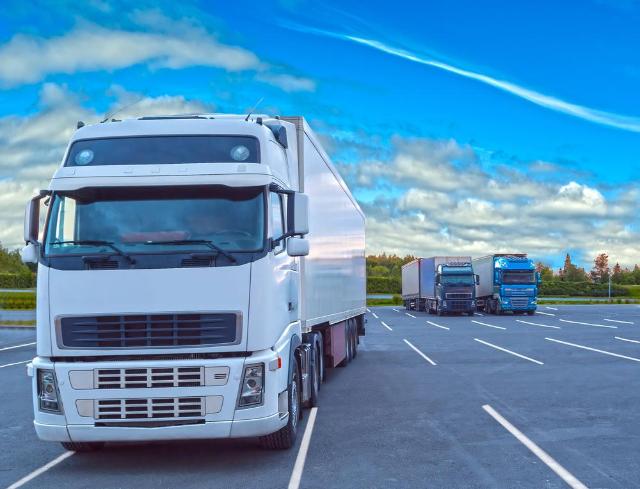
Image Source: depositphotos.com
Commercial vehicle fleets run on efficiency, where every delay adds cost and every wasted mile affects profit. IoT devices change this reality by providing real-time data that improves fleet decisions.
Connected sensors inside vehicles capture information on location, performance, and driver behavior. This visibility allows managers to act quickly, reduce risks, and keep operations running smoothly.
The result is faster deliveries, lower expenses, and higher reliability for businesses that depend on transportation. IoT technology turns data into an advantage that drives fleet performance forward.
What Are Commercial Vehicle Fleets?
Commercial vehicle fleets are groups of vehicles owned or leased by businesses to carry out transportation tasks. They usually include trucks, vans, or cars used for deliveries, logistics, or passenger transport.
These fleets operate under centralized management where scheduling, maintenance, and driver assignments are planned. This coordination ensures the vehicles work together as a single unit to meet business goals.
Industries such as logistics, construction, and public transportation rely heavily on commercial fleets. Their efficiency directly impacts customer service, cost control, and overall productivity.
What Are Key Challenges In Fleet Efficiency Before IoT?
Managing fleets before IoT was full of blind spots. Operators often struggled with rising costs, unexpected delays, and poor visibility across their vehicles.
Rising Fuel Expenses
Fuel made up the largest share of operating costs, and managers had little control over waste. Idling, inefficient routes, and theft often went unnoticed until the bills piled up.
Unexpected Breakdowns
Maintenance was done only after problems appeared, which meant breakdowns happened at the worst times. A small issue could quickly grow into a major repair that stalled deliveries.
Limited Route Visibility
Without live tracking, managers had no way to see where their vehicles really were. Delays from traffic or detours left both operators and customers in the dark.
Unchecked Driving Habits
Risky driving like speeding or harsh braking often slipped through without monitoring. These habits wasted fuel, wore out vehicles, and increased accident risks.
Lack of Real-Time Data
Decisions were based on paperwork, not live information. By the time data was reviewed, it was already outdated and far less useful.
What Ways Do IoT Devices Improve Efficiency In Commercial Vehicle Fleets?
1. Real-Time Vehicle Tracking and Routing
Real-time vehicle tracking helps fleets move smarter by showing exactly where vehicles are. Managers see live updates and can react quickly when delays or detours happen.
Tracking gives dispatchers more control over daily operations. They can spot idle times, reroute drivers, and keep deliveries on schedule.
Historical route data helps with planning better trips in the future. Smarter routes save fuel, reduce time on the road, and improve overall efficiency.
2. Driver Behavior Monitoring
Monitoring driver behavior makes fleets safer and more cost-efficient. IoT devices record habits like speeding, harsh braking, and long idling times.
With this data, managers can identify risky driving patterns. Training programs then help drivers adopt safer and smoother driving practices.
Safer driving reduces fuel use, lowers accident risks, and protects vehicle health. Over time, these improvements make fleet operations far more reliable.
3. Predictive Maintenance and Diagnostics
IoT devices help detect small problems before they turn into major breakdowns. Sensors track tire pressure, engine health, and fluid levels in real time.
This proactive approach keeps vehicles on the road longer. Maintenance becomes scheduled and planned, instead of sudden and costly.
Fewer breakdowns mean fewer missed deliveries and lower repair bills. Predictive maintenance keeps fleets running smoothly and boosts efficiency.
4. Fuel Management and Consumption Control
Fuel monitoring gives managers visibility into how fuel is being used. IoT devices track refueling, consumption, and any irregular patterns.
With this insight, fleets can cut down on waste and prevent theft. Managers know exactly how driving styles and routes impact fuel use.
Lower fuel costs improve profitability and reduce environmental impact. Since fuel is a major expense, managing it well has a big effect on efficiency.
5. Enhanced Fleet Communication and Coordination
Connected fleets communicate faster and more clearly. IoT platforms link drivers, managers, and clients in real time.
Drivers receive quick updates about new routes, delays, or urgent instructions. Managers can also share accurate shipment updates with customers.
Better communication reduces mistakes and keeps everyone aligned. This smooth coordination helps fleets stay efficient and dependable.
What Are The Benefits Of IoT In Fleet Operations Beyond Efficiency?
IoT doesn’t just make fleets efficient—it adds value in several other important ways. Here are the key benefits beyond efficiency:
- Improved Safety: IoT devices track driver behavior and vehicle conditions, helping reduce accidents and keeping drivers safer on the road.
- Regulatory Compliance: Automated logs and reporting tools make it easier for fleets to meet government regulations like hours-of-service rules and emissions standards.
- Lower Operating Costs: Smart monitoring prevents fuel theft, reduces maintenance expenses, and extends vehicle lifespan.
- Better Customer Service: Clients receive accurate delivery updates and real-time tracking, which builds trust and reliability.
- Sustainability: Reduced fuel consumption and optimized routes lower emissions, helping fleets support green initiatives.
- Stronger Decision-Making: Real-time data gives managers clear insights to make faster and smarter business decisions.
What Are The Challenges of Implementing IoT in Fleets?
While IoT brings major advantages, rolling it out in fleets comes with a few real challenges:
- High Initial Investment: Hardware, software, and training require upfront spending that can feel heavy for smaller fleet operators.
- Data Security Risks: Connected devices collect sensitive data, and without strong protection, fleets face the risk of cyberattacks or data breaches.
- Integration with Old Systems: Many fleets still use outdated software or manual processes, making it difficult to connect everything smoothly with IoT platforms.
- Driver Resistance: Some drivers see IoT monitoring as constant surveillance, which can lead to pushback or lower morale.
- Connectivity Issues: Fleets that travel through remote areas often face poor internet coverage, which limits real-time tracking and data sharing.
- Ongoing Maintenance: IoT devices themselves need regular updates and upkeep, adding another layer of responsibility for fleet managers.
Conclusion
IoT has changed the way fleets operate by giving managers real-time visibility and control. What was once hidden in paperwork and guesswork is now clear through live data and connected devices.
From tracking vehicles to monitoring drivers and predicting maintenance, IoT helps fleets save time and money. It reduces risks, improves safety, and ensures smoother day-to-day operations.
Beyond efficiency, IoT builds stronger customer trust, supports sustainability, and enables smarter decision-making. Fleets that adopt these technologies position themselves for long-term success in a fast-moving industry.