Operations | Monitoring | ITSM | DevOps | Cloud

Introducing ping and TCP port monitoring (and lots of other improvements)

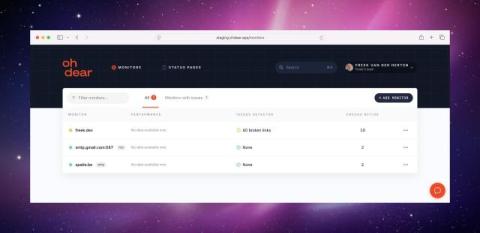
A couple months ago, we sent out a survey to all our users asking what they like about Oh Dear, how they use it, and how we could improve our service. One of the things that was asked a lot was ping and TCP port monitoring. The past few months we worked hard to add this kind of monitoring to our service. And while building it, we touched upon other parts of our service and improved lots of little things. And I'm proud to share that we now have shipped it all! Let's go through it!

Exploring our new PHP SDK, built using Saloon

Today, next to Ping and TCP monitoring, we've also launched a new PHP SDK package, which has been rebuilt from scratch using the wonderful Saloon library. Using our new SDK, you can easily use the entire Oh Dear API. In this blog post, I'd like to show you how you can use the new SDK and how it works under the hood.

HTTP status codes? Here's a cheat sheet

Whenever you visit a website or click on a link, there’s a whole conversation happening behind the scenes between your browser and the web server. That conversation includes something called HTTP status codes and knowing what they mean can help you make a diagnosis, so to speak. Usually, everything goes smoothly (like a 200 OK), but sometimes things break (looking at you, 404 and 500).

Introducing our new notification logs

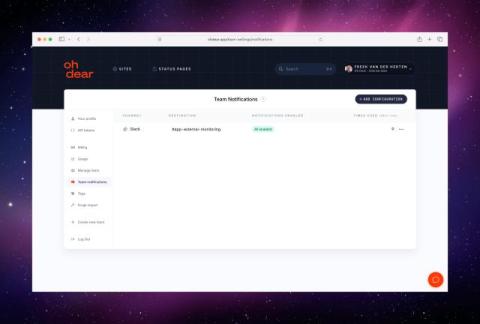
One of the core features of Oh Dear is that we can notify you whenever we detect problems with one of your sites. Our notification system is quite powerful. We support many different channels (like email, Slack, Telegram, ... and a whole bunch more), and have fine-grained control over which events should trigger a notification. Today, we've added notification logs.

What's the easiest way to check my website's uptime?

Whether you're keeping a personal blog or manage a corporate site or online storefront, website downtime can cost money and can damage your reputation. Let alone when you're maintaining a bunch of different client sites. And while downtime can't always be prevented, it's really easy to at least keep track of things, and diagnose potential issues from there. So, let’s start with the easy part.