Operations | Monitoring | ITSM | DevOps | Cloud

Asset Reconciliation - Key to Successful Asset Verification

When businesses own many assets—like machines, computers, furniture, or vehicles—it becomes important to know where these assets are, if they are working, and if they are recorded correctly. This is where asset reconciliation helps. It matches records of physical assets with digital records to make sure everything is in order. In simple terms, it means making sure the assets you own are actually there, and nothing is missing or wrongly reported.


What is an RFID Reader Module? Features, Uses, and Benefits

‍RFID technology has revolutionized the way businesses manage and track their assets. Among the critical components of this system is the RFID reader module. These modules serve as the bridge between RFID tags and the software that interprets the collected data. Whether used in supply chain monitoring, inventory management, or equipment tracking, RFID reader modules have become indispensable across industries.

The Future of AI in Asset Management: Key Trends and Technologies

Artificial Intelligence (AI) has become one of the most transformative technologies in today’s business landscape, especially in asset management. From improving decision-making to automating maintenance schedules, AI is redefining how organizations monitor, track, and manage their valuable assets. As digital transformation accelerates, the relationship between asset management and AI is growing stronger, unlocking new opportunities across industries.

The Benefits and Drawbacks of BLE Tags for Asset Tracking

Asset tracking is evolving rapidly, with organizations now turning to smarter, wireless technologies for better control, accuracy, and efficiency. Among these technologies, Bluetooth Low Energy (BLE) tags are gaining popularity as a cost-effective and scalable option. BLE tags enable businesses to monitor the location and status of assets in real time with minimal power consumption.

How to Track your Tools With GPS Tracking?

Tool misplacement, loss, and theft are everyday challenges for businesses in construction, maintenance, IT services, and other field-heavy industries. These losses don’t just impact project timelines—they also cause unnecessary expenses and operational inefficiencies. That’s why more organizations are turning to GPS tracking systems to monitor and manage their tools.

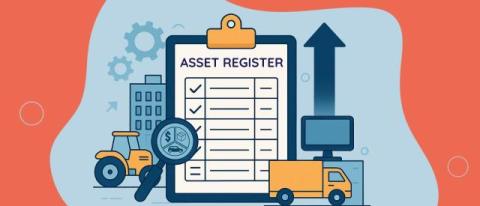
How to Prepare a Fixed Asset Register?

Managing fixed assets like machinery, vehicles, office equipment, or IT infrastructure can become complicated if not tracked properly. That’s where a fixed asset register becomes essential. It is not just a spreadsheet or a list—it's a powerful financial tool that helps you manage, monitor, and maximize the value of your assets across their lifecycle. From supporting audits to managing depreciation and procurement, an accurate register plays a vital role in operational efficiency.