Operations | Monitoring | ITSM | DevOps | Cloud

Clustered Directors, Pipeline Debugging, and More Integrations

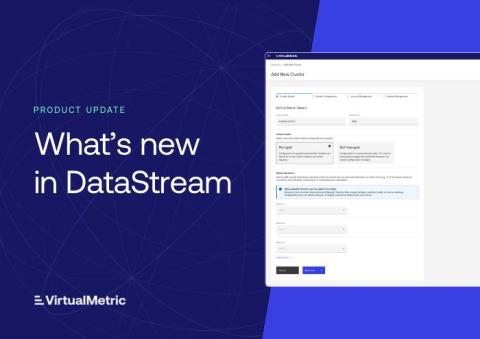
Over the past two months, VirtualMetric DataStream delivered a substantial update cycle focused on resilience, productivity, and platform extensibility. This release strengthens the core architecture, makes pipeline development and troubleshooting significantly easier, and expands integration coverage across schemas, SIEMs, and cloud platforms. Let’s take a closer look.
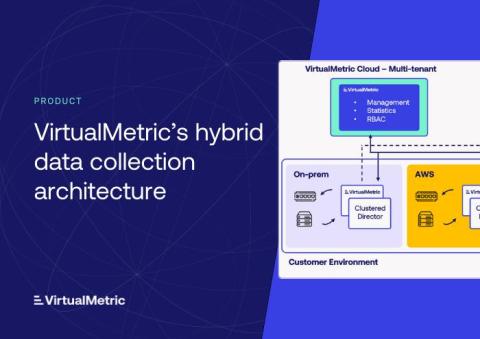
VirtualMetric's Hybrid Security Data Collection Architecture: Performance and Scale Without Compromise

Modern security operations face a growing architectural challenge: collect telemetry from everywhere, process it in real time, and route it to multiple platforms while maintaining data sovereignty, avoiding agent sprawl, and keeping costs under control. Single-model collection strategies force security teams to make compromises. Agent-only models create operational overhead and maintenance risk. Agentless-only approaches simplify operations but limit depth and flexibility.

Agentless First, Agents When Needed: A Hybrid Approach to Security Telemetry

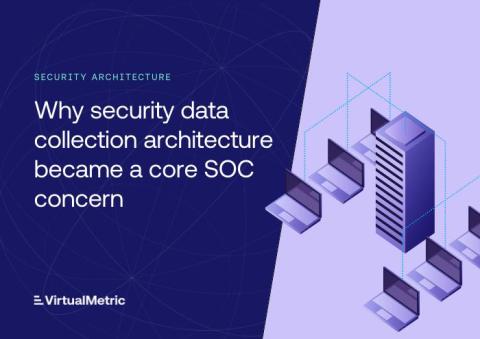
Security data collection has become a first-class architectural concern for modern SOCs. Once collection is treated as a dedicated layer, separate from analytics and detection, the next question becomes practical: how should telemetry be collected in a way that aligns with this architecture? In the previous article, we examined why this shift occurred. Here, we focus on how different collection models (agent-based, agentless, and hybrid) fit into modern security data collection architectures.

VirtualMetric DataStream + Amazon Security Lake: OCSF-Ready Security Data Without Custom Pipelines

Security teams are increasingly turning to Amazon Security Lake to consolidate security telemetry across cloud, network, and on-prem environments. Security Lake provides a unified, OCSF-based data repository that powers analytics, threat hunting, and machine learning across AWS services and third-party tools. But to take advantage of Security Lake’s capabilities, organizations must deliver clean, normalized, OCSF-compliant data, and this is where challenges arise.