Operations | Monitoring | ITSM | DevOps | Cloud

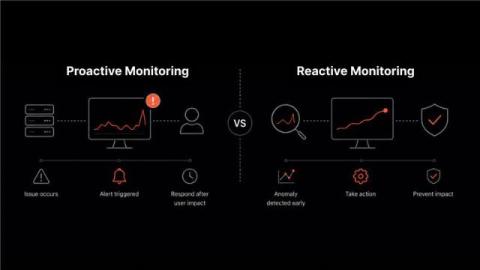
Proactive vs Reactive Monitoring: What are the Differences?

A single hour of unplanned downtime can cost a mid-sized enterprise more than $300,000, according to ITIC report. Most of that cost comes from one place: teams find out about the problem after users do. That is the core limitation of reactive monitoring. It tells you something has failed, but doesn't tell you something is about to fail. This guide is for IT operations leads, platform and SRE engineers, and IT directors deciding how to evolve their monitoring practice.

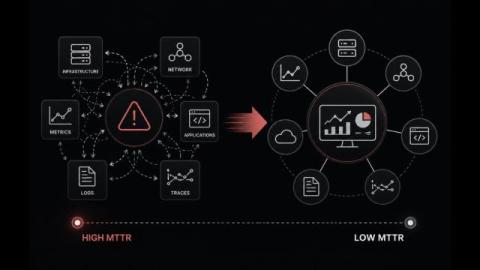
Why Siloed Monitoring Increases Your MTTR and How to Resolve It

Are you spending more time figuring out whose problem it is than actually fixing it? If that feels familiar, you are not alone. Many IT teams start their day with multiple dashboards and tools, yet still struggle to understand what is wrong when something breaks. Everything may look fine in one view, and fine in another, but the customer impact tells a different story. Incidents end up taking longer to resolve than they should. This is not about effort or capability.

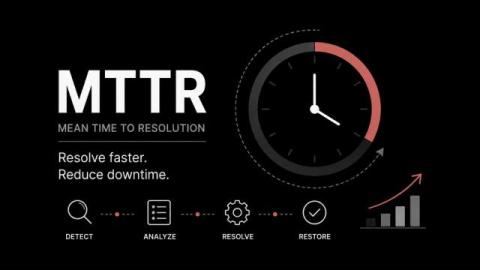
What is the Mean Time to Resolution (MTTR)? Why It Matters and How to Resolve

How quickly can you restore service when an incident hits your system? Most IT teams are not slowed down by detecting incidents. The challenge starts after something breaks, when the goal is to bring services back online as quickly as possible. Modern systems are highly distributed. Alerts arrive from multiple tools, dependencies are complex, and it is often difficult to immediately understand what actually failed.

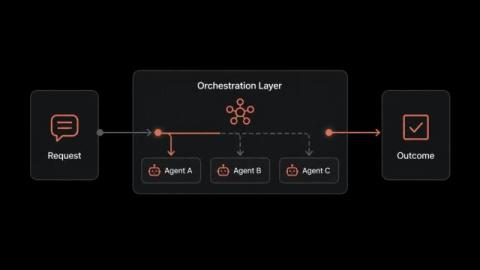
What is AI Agent Orchestration? Concept + How It Works

Have you tried using AI at work and felt it works well for small tasks, but not beyond that? It can handle simple things like creating a summary, writing a draft, or answering a question. This works because the task is clear. But most tasks are not that simple. They involve multiple steps. One step depends on another. Data comes from different systems, and some decisions need checks before moving ahead. This is where a single AI system starts to struggle.

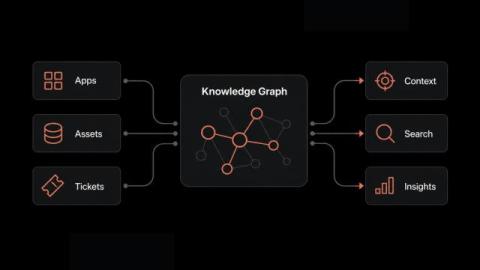
What is an Enterprise Knowledge Graph? Definition, Benefits, and Use Cases

Are your AI systems giving answers your teams cannot trust? Most enterprises deploy LLMs expecting reliable outputs, but the results often feel inconsistent or incomplete. The problem is the missing structure behind it. Enterprise data is usually fragmented across multiple systems, teams, and tools. Your AI does not understand how customers, products, policies, and operations connect. Without that context, it fills gaps with assumptions, which leads to unreliable results.

Observability vs Monitoring: What's the Real Difference in 2026?

Understand the real difference between observability and monitoring — and why modern IT teams in 2026 need both. Monitoring tells you something is broken; observability explains why. See real examples, faster troubleshooting workflows, and how Motadata ObserveOps unifies both in one platform. Don’t forget to like, share, and subscribe for more IT insights.

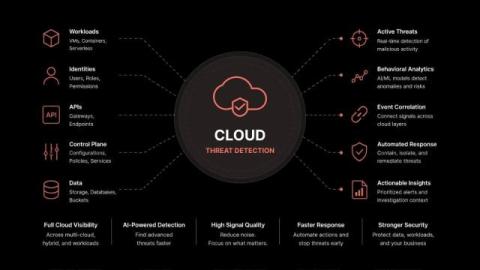
What is Cloud Threat Detection? An Ultimate Guide for 2026

What if the next breach in your cloud is already in motion, and your team has no idea how to see it? Cloud workloads are growing fast. APIs, identities, and data are spread across AWS, Azure, GCP, and on-prem systems all at once. Every layer creates its own logs, its own alerts, and its own blind spots. Most security teams are short on visibility, context, and time. That is the gap cloud threat detection is built to close.