
Status Page Aggregator: How To Stay Ahead of Outages in 2025
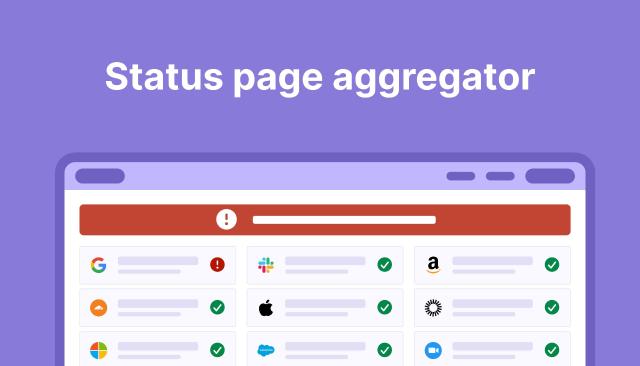
Outages happen, and they often catch us off guard. If your team relies on multiple status pages to track cloud infrastructure, SaaS tools, or distributed systems, staying ahead of outages is essential. It's far better to know about issues with your services or dependencies before your users do, so you can act fast and stay in control.
That’s where a status page aggregator like StatusGator comes in.
StatusGator monitors the status pages of more than 6,000 cloud services, aggregating them into a single, unified view.
Combined with proactive early detection features, it helps engineering, IT, and DevOps teams stay ahead of outages before support tickets start piling up.
Let’s break down how status page aggregation works, the tech behind it, and why early outage detection is becoming essential to modern operations.
What Is a Status Page Aggregator?
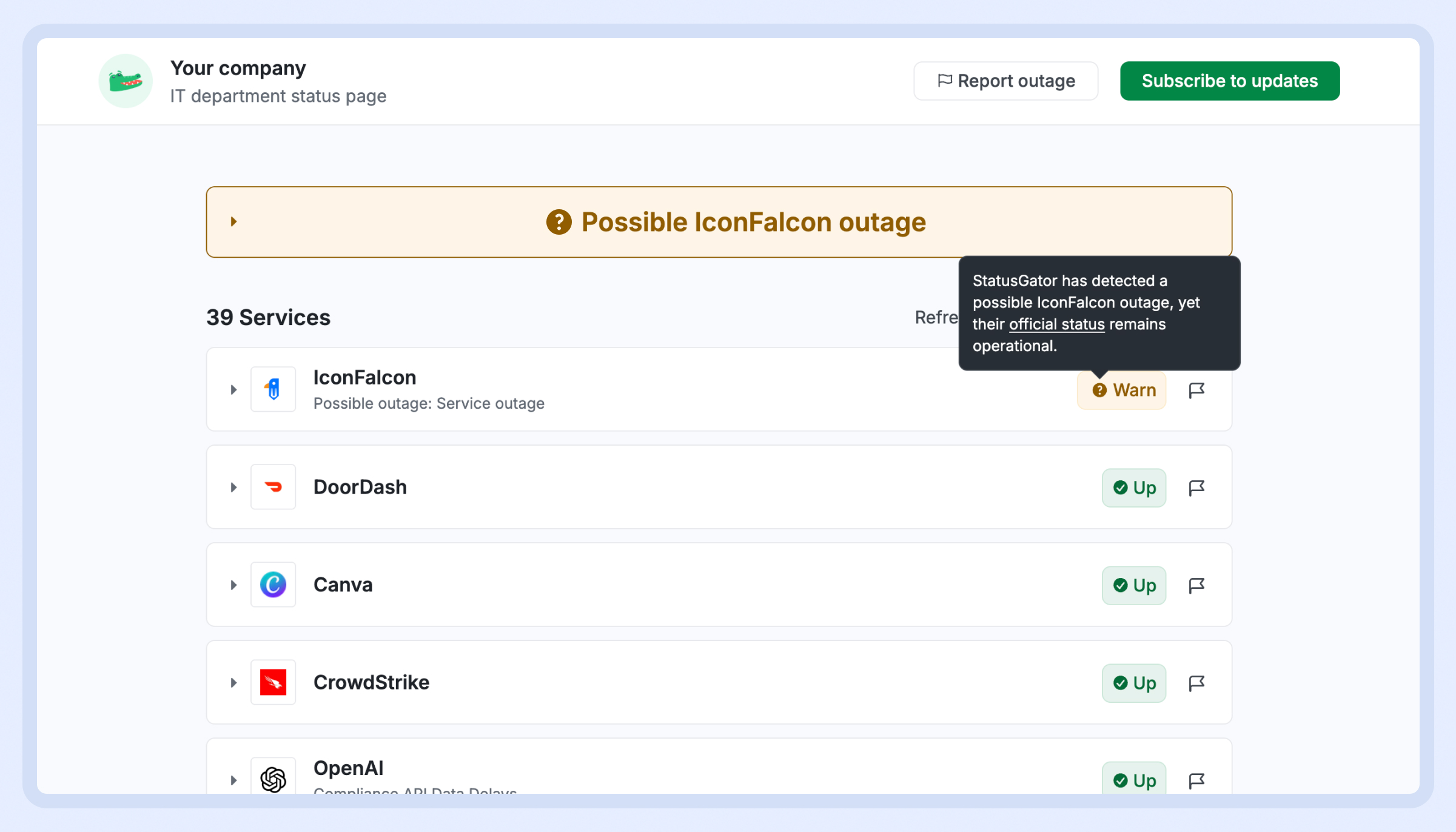
A status page aggregator is a tool that monitors the public or private status pages of multiple services and consolidates them into one centralized dashboard.
Most cloud providers, from AWS and Google Cloud to Slack and Zoom, publish their own status pages to communicate downtime and incidents. But checking these pages individually isn’t scalable.
A status page aggregator solves this by continuously ingesting data from official status pages, normalizing it, and alerting users about incidents that affect the services they depend on.
With an aggregator like StatusGator, you no longer need to monitor dozens of individual status pages. Instead, you get a real-time, unified view of the health of your service stack.
How Status Page Aggregation Works
Under the hood, StatusGator does status aggregation through several key components:
1. Crawling and Monitoring
StatusGator continuously crawls thousands of status pages, both public and private, and monitors changes. It identifies service components, downtime posts, and incident updates in real time.
2. Data Normalization
Status pages vary widely in format and structure. StatusGator normalizes this data, extracting structured information like outage start time, affected components, severity, and update history.
3. Alert Delivery
Once an incident is detected, users receive alerts via Slack, Teams, email, webhook, or custom integrations. These alerts are timely and actionable. It's essential for a quick response.
4. Custom Dashboards
StatusGator offers customizable dashboards for different teams or use cases. Whether you’re tracking internal tools, customer-facing services, or infrastructure providers, you can tailor what you monitor.
The Power of Early Outage Detection
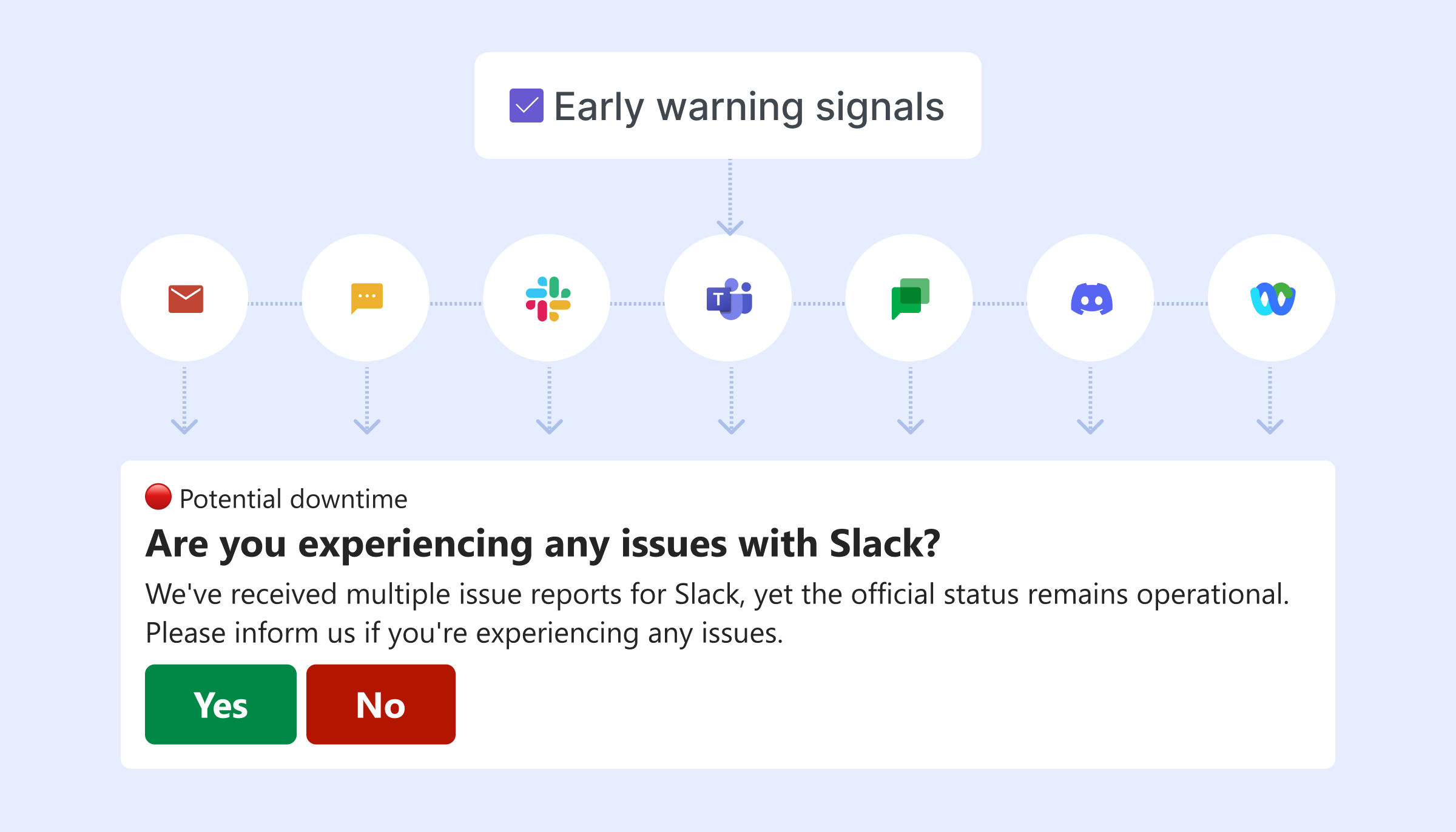
One of the most compelling features of a status page aggregator is early outage detection.
Sometimes, status pages are updated only after an incident is widely known or escalated. But with StatusGator’s early warning signals, users are often notified before an official status update is published. Here's how:
- Pattern recognition: StatusGator monitors subtle changes, like degraded performance indicators, update frequency, or even phrasing in incident reports to identify potential issues.
- Cross-service correlation: Outages often affect multiple services. StatusGator tracks these patterns across providers to catch cascading failures early.
- Private status ingestion (Enterprise-only): Integrate directly with private APIs from providers like Microsoft 365, Meraki, Zendesk, and more for deeper, faster insights.
Early detection means you can respond faster, inform stakeholders sooner, and start mitigation before users experience problems.
Who Benefits from a Status Page Aggregator?
DevOps and SRE Teams
Instant visibility into third-party service outages that may be impacting production systems or CI/CD pipelines. With early alerting, teams can jump on mitigation quickly or switch to failover systems.
IT and Help Desk Teams
Reduce support ticket volume by staying ahead of employee-impacting outages (think Zoom, Slack, Microsoft 365). Alerts help IT prepare communication before the wave of “Is Slack down?” tickets roll in.
E-commerce and SaaS Companies
Downtime on payment gateways, CDNs, or cloud APIs can mean lost revenue. Get instant alerts when Stripe, Cloudflare, or AWS show degraded performance, before your customers complain.
Competitive Intelligence and Operations
Monitor your vendors, partners, or even competitors. Many StatusGator users track competitor uptime to understand their reliability or identify patterns in their operational behavior.
Why StatusGator?
StatusGator isn’t just another status aggregator and status page provider. It’s the most mature and extensible status page aggregator on the market.
A real-world example of StatusGator’s value came during the July 2024 SentinelOne outage, which disrupted thousands of Windows machines globally. While the status information was not provided, StatusGator detected early signals of the incident through correlated third-party service disruptions.
Users with early detection alerts from StatusGator were able to respond faster, isolating affected systems and informing stakeholders before the full impact hit. This kind of independent monitoring proves crucial when providers delay or omit updates on their service status pages.
Here’s what sets it apart:
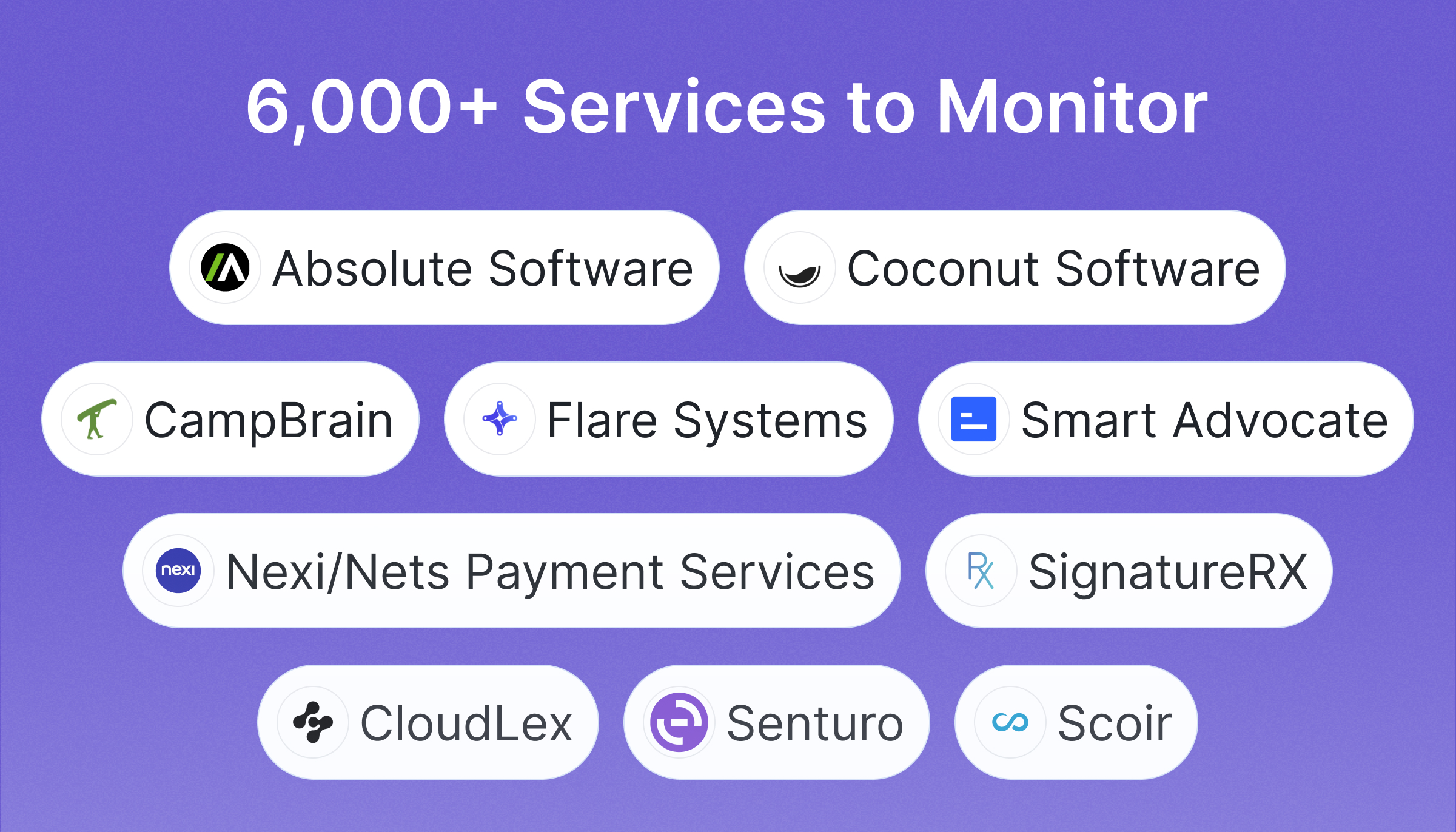
- Covers 6,000+ services with new service providers added weekly
- Real-time monitoring with minute-level updates
- Historical uptime reports and exportable data for audits and SLAs
- Early warning signals beyond the status page
- Enterprise-grade features like private status ingestion, custom dashboards, and role-based access
And unlike crowdsourced platforms like Downdetector, which rely on user reports, StatusGator aggregates official provider data and user reports, meaning fewer false positives and more actionable alerts.
How Status Aggregation and Status Monitoring Come Together
Think of StatusGator as your status page command center. Instead of scattered alerts, unknown root causes, or scrambling to check multiple sources, you get:
- One source of truth for service health
- Faster resolution times due to earlier awareness
- Proactive communication with stakeholders and users
- Improved uptime reporting and compliance visibility
Final Thoughts: Staying Ahead of Outages
Outages are inevitable. But being caught off guard? That’s optional.
With a status page aggregator like StatusGator, you gain real-time insights, early outage detection, and the ability to act before problems escalate.
For tech teams responsible for uptime, incident response, or customer satisfaction, that’s a game-changer.
As our systems grow more interconnected and reliant on third-party providers, the need for reliable status aggregation only increases. Don’t wait for your users to tell you something’s broken. Get ahead in status monitoring with StatusGator.

Frequently asked questions
What is a status page aggregator?
A status page aggregator like StatusGator is a tool that monitors and collects incident information from multiple official status pages, combining it into a single, centralized dashboard. This helps teams track the health of all their critical services without checking each page manually.
How is a status page aggregator different from traditional monitoring tools?
Status page aggregator is different as it pulls in official data directly from vendors’ own status pages, and displays the statuses of multiple services. This includes incident updates, service degradation, and planned maintenance that synthetic tests may miss. Traditional monitoring tools actively test services from your environment, measuring uptime, latency, or endpoint availability. The two tools complement each other. Status aggregation adds context and visibility beyond what direct monitoring can provide.
How fast can a status page aggregator detect outages?
Detection speed depends on how often the aggregator checks for updates and how promptly vendors post them. StatusGator, for example, monitors thousands of status pages on a near real-time polling every few minutes. That means you’re notified within moments of any official incident post, often as fast as providers publish them. In some cases, early detection signals can alert you even before the status page is updated.
When does it make sense to start using a status page aggregator?
If your team depends on multiple third-party services, such as cloud providers, SaaS apps, and APIs. Then it’s time to consider a status page aggregator. For many teams, managing even 5–10 vendors means regularly checking status pages or reacting late to outages. If you’re spending time manually monitoring, or worse, hearing about downtime from users first, a tool like StatusGator can pay off quickly by delivering centralized visibility and proactive alerts.