Operations | Monitoring | ITSM | DevOps | Cloud

Network Monitoring Automation: Streamlining Operations and Efficiency with Motadata AIOps

Did you know the network infrastructure market revenue is expected to reach YS$253.21bn by the end of 2025? Over the years, small businesses and large organizations have been using networks to communicate and exchange information. With digital transformation and adoption of new technologies, networks are becoming increasingly complex. Organizations find it challenging to track these complex, extensive networks and identify issues in real time through manual monitoring.
The Importance of Asset Disposal for asset management: Maximizing Value and Reducing Risks

Starting a business requires investing in fixed assets like land, buildings, equipment, etc. Have you ever wondered what happens when these assets turn old or outdated? Further, why should you never dispose of these capital assets or fixed assets without a proper strategy? Asset Disposal is a critical aspect of asset management that involves the systematic removal of outdated assets from the balance sheet.

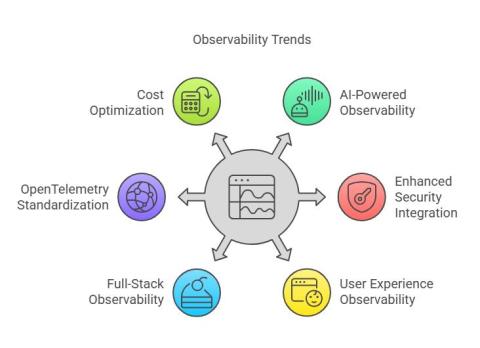
Observability Trends for 2025

The evolving digital technologies and artificial intelligence (AI) fundamentally reshape business dynamics. Analyzing the growth and impact of running online businesses, several organizations from different industries started adapting this modern approach to create revenue streams and enhance their customer experience. On one end, it turned out to be a brilliant strategy; on the other, managing the complex business data and systems was a big challenge.

ITSM Beyond IT: How Enterprises Use ITSM Across Departments

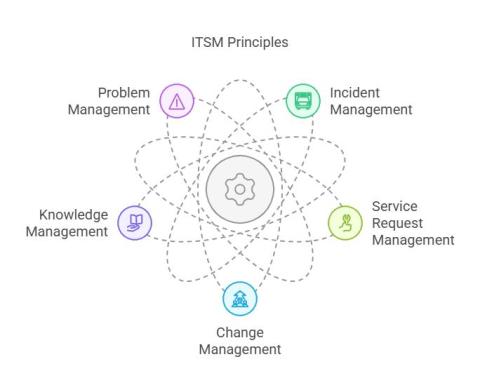
In this evolving digital world, organizations that only focus on implementing new technologies will not reach the top unless they know how to manage them effectively with ITSM. IT Service Management (ITSM) is an organization’s strategic approach for designing, creating, delivering, managing, and supporting IT services. ITSM has shaped IT operations for decades. Traditionally, it focused more on internal procedures and efficiency and less on user experience.