
Why Ergonomic Handles and Safety Features Are Vital When Selecting DIY Garden Tools
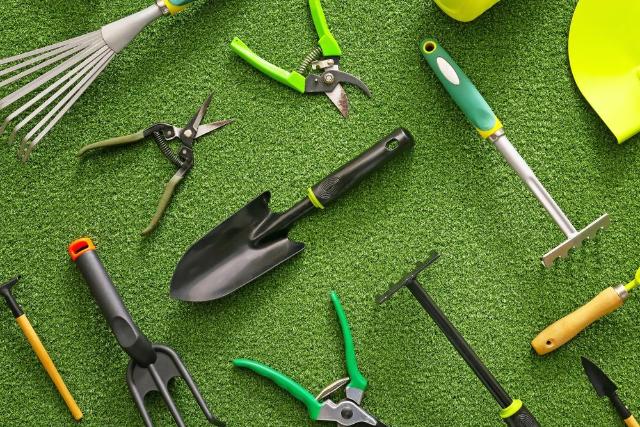
Image Source: depositphotos.com
Gardening is a rewarding hobby that brings joy and beauty to your outdoor spaces, but it also demands significant physical effort. Using improper tools often leads to sore muscles or strain, which quickly turns a fun project into a painful experience. This article explores why these thoughtful design elements are essential for your toolkit and how they protect your well-being during every gardening session.
Understanding the Importance of Ergonomic Handle Design
Ergonomic handles are carefully shaped to fit the natural contours of your hands, which reduces the amount of grip strength you need. When a tool feels natural to hold, you experience far less fatigue in your fingers and wrists during repetitive tasks like pruning or weeding. These handles often feature soft-grip materials that absorb vibration and prevent the tool from slipping when your hands get sweaty.
Reducing Joint Stress Through Proper Tool Weight Distribution
Tools that are poorly balanced place extra pressure on your joints, leading to aches that linger long after you finish your work. DIY garden tools distribute weight evenly, making them feel lighter and much easier to manoeuvre around tight garden beds. Keep in mind that good balance allows you to use your body weight effectively rather than relying solely on the strength of your smaller hand muscles.
Safety Features That Prevent Accidental Injuries
Take note that safety is paramount when working with sharp blades or powerful motorised garden equipment like hedge trimmers and leaf blowers. Look for features like trigger locks or safety guards that prevent the tool from turning on accidentally when you are not ready. These simple additions provide an essential layer of security, ensuring you have total control over when the tool starts and stops.
Leverage and Power Assistance for Difficult Tasks
Some garden tools now come with assisted leverage mechanisms that do the heavy lifting for you when cutting thick branches or stems. These features significantly reduce the force required for tough jobs, preventing the sudden jolts that often cause shoulder or elbow injuries. By allowing the tool to handle the majority of the resistance, you protect your body from the impact of demanding garden chores.
Adapting Tools to Different Hand Sizes and Strengths
Garden tools with adjustable settings allow you to customise the reach and grip size to perfectly suit your individual body type. A tool that is too large or too small for your hands forces you to overcompensate, which quickly leads to blisters and fatigue. Versatile designs accommodate different hand sizes, ensuring that everyone who uses the equipment feels comfortable and in full control.
Mitigating Vibration Impact During Long-Term Use
High-frequency vibration from motorised garden tools travels up your arms, causing discomfort in your fingers. Modern ergonomic tools include dampening materials that absorb these vibrations before they reach your hands, keeping you comfortable for longer periods. Reduced vibration allows for better precision and control, meaning you achieve cleaner cuts and a much tidier look in your garden spaces.
Materials That Enhance Durability and Grip
The materials covering the handles play a vital role in both the longevity of the tool and the quality of your daily grip. Weather-resistant rubber coatings provide a secure hold in both wet and dry conditions, preventing accidents caused by slippery or damp equipment. High-quality, durable materials withstand exposure to the elements, ensuring that your tools remain safe and reliable for many years to come.
Creating a Safer and More Enjoyable Gardening Experience
Prioritising ergonomic designs and safety features is the best way to make your gardening hobby more comfortable and secure. By carefully selecting tools that support your physical health, you can enjoy the beauty of your garden without the worry of injury. Furthermore, now you have the knowledge to choose tools that make your outdoor work feel like a relaxing retreat rather than a strenuous chore.