
Who Pays If You Hit an Illegally Parked Car in Virginia?
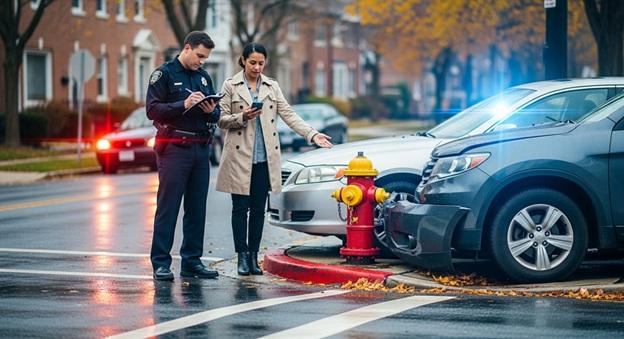
If you hit an illegally parked car in Virginia, the other driver is not automatically at fault just because the vehicle should not have been there. That parked car may share responsibility, but you still have a duty to drive carefully and avoid a collision when you reasonably can. The question carries more weight now that Virginia is putting fresh attention on traffic enforcement, including new AI-supported school-zone enforcement tools rolling out in some communities.
Recent Virginia safety messaging has also highlighted how distraction behind the wheel can turn a roadside hazard into a preventable crash. So who pays after a parked-car collision? In practical terms, it usually depends on where the vehicle sat, whether it broke parking laws, what the evidence shows, and how Virginia's strict contributory negligence rule applies.
The short answer: an illegally parked car can share fault, but you may still be liable
Why the parked car owner may be partly responsible
Parking in a prohibited or unsafe spot can create an immediate hazard for other motorists. For example, Virginia law prohibits parking a vehicle within 15 feet of a fire hydrant or within 20 feet of the intersection of curb lines. If a driver leaves a vehicle dangerously close to an intersection or blocks a travel lane without warning lights, that position may help establish negligence on the owner's part.
An illegally parked car can restrict traffic flow and create blind spots. When a vehicle owner ignores "no parking" signs or leaves a car on a narrow shoulder without proper visibility, they can contribute to the conditions that lead to a crash.
Why the moving driver is often still scrutinized
Even when a vehicle is illegally parked, the moving driver has a legal duty to keep a proper lookout and stay attentive. Speed, visibility, weather, and road design all factor into how fault gets assigned. Virginia crash investigations often focus on whether the driver was distracted, traveling too fast for conditions, or otherwise failed to react reasonably before impact.
If a court or insurance adjuster decides you could have reasonably avoided the collision, liability may shift heavily onto your shoulders. Drivers are expected to travel at a safe speed for the conditions and take evasive action when an obstacle is clearly visible.
How fault is evaluated after a parked-car collision in Virginia
What police, insurers, and courts look at
Establishing liability involves far more than checking nearby posted signs. Insurance adjusters and investigators analyze official police records, on-site traffic tickets, eyewitness accounts, and photos capturing how the vehicles rested after impact. Reconstructing the sequence of events also requires examining physical damage points, visibility and lighting, lane painted lines, and clear lines of sight.
Medical records matter too if bodily injuries are claimed after the crash. For a more Virginia-specific breakdown of how these cases tend to be analyzed, it can help to review how illegally parked car fault plays out through police reports, scene photos, citations, insurance positions, and injury documentation.
Why contributory negligence changes the stakes
The most important legal concept in these disputes is Virginia's pure contributory negligence rule. Under it, a driver found even 1% at fault may be completely barred from recovering damages in a personal injury claim.
That's far stricter than the comparative negligence systems used in many other states. Even minimal fault on your part can block financial recovery for your injuries. That said, insurance company decisions on property damage claims can sometimes unfold differently from a formal court ruling on bodily injuries.
Comparison table: what usually matters most in these cases
|
Factor |
Can it help the parked car owner? |
Can it help the moving driver? |
Why it matters |
|
Car was parked illegally |
No |
Yes |
Suggests the parked vehicle created a hazard |
|
Driver was speeding |
Yes |
No |
Suggests the collision may have been avoidable |
|
Poor lighting or weather |
Sometimes |
Sometimes |
Can support either side depending on visibility |
|
Clear line of sight |
Yes |
No |
Makes it easier to argue the driver should have avoided the car |
|
Parking citation issued |
No |
Yes |
Supports evidence of illegal parking |
|
Distracted driving evidence |
Yes |
No |
Strongly supports fault against the moving driver |
|
Photos showing blocked lane |
No |
Yes |
Helps show the parked car was dangerously positioned |
What you should do right after hitting an unattended or illegally parked vehicle
Immediate steps that protect you legally and financially
A few actions in the first minutes can shape how the claim goes:
- Stop immediately and stay at the scene
- Check for injuries and call 911 if needed
- Photograph the car's position, signs, curbs, and damage
- Look for witnesses or nearby cameras
- Notify police if required
- Leave your information if the owner is not present
- Report the crash to your insurer promptly
Why leaving can create a separate legal problem
Striking an unoccupied vehicle in Virginia creates immediate legal obligations, regardless of whether the other car was parked illegally. State law mandates specific reporting procedures after impacting an unattended vehicle. Leaving the scene when property damage reaches or exceeds $250 constitutes a Class 1 misdemeanor, which carries potential penalties of up to a $2,500 fine and 12 months in jail.
These statutes apply even to low-speed scrapes and minor collisions. If total property damage falls below $250, failing to notify the owner or police is treated as a Class 4 misdemeanor, subject to a fine of up to $250. Driving away converts a standard traffic incident into a serious criminal offense.
Common scenarios that can change who pays
When the parked car is in a clearly prohibited location
Where the parked car sits is a major factor in liability. If a vehicle is left directly in a travel lane, near a blind intersection, or on a dark shoulder with no hazard lights, the owner's negligence tends to be much easier to prove. Parking within 15 feet of a fire hydrant or 20 feet of a curb line intersection creates clear hazards that insurers and courts may weigh heavily against the parked car owner.
When the moving driver had a fair chance to avoid the crash
What if the crash happened in broad daylight on a straight road with nothing blocking the view? Then the moving driver will have a hard time arguing they could not see the parked car. Without evidence of a sudden emergency, such as another vehicle swerving into your lane, a clear line of sight typically suggests the moving driver failed to keep a proper lookout.
When insurance may still deny or reduce a claim
Claims get complicated when both parties dispute fault. A lack of independent witnesses, conflicting driver statements, or missing scene photos can push an adjuster to deny a claim outright. Disputes often arise over the gap between property damage resolutions and bodily injury claims, which is exactly why thorough documentation matters before you leave the scene.
The bottom line for Virginia drivers
Hit an illegally parked car in Virginia, and that vehicle may share fault, but that does not automatically clear the moving driver of responsibility. Because the state's contributory negligence rule is so strict, small details like visibility, distraction, speed, citations, and photos can have a major effect on who ultimately pays.
When a collision causes substantial property damage, physical injuries, or a disagreement over liability, thoroughly documenting the scene is vital, as is consulting an experienced attorney. Insurance adjusters evaluate precise physical evidence and factual details when applying Virginia's strict liability standards.
Frequently Asked Questions
Am I always at fault if I hit a parked car in Virginia?
No, you are not always 100% at fault. Moving drivers have a duty to avoid obstacles, but the owner of the parked car can share fault if they left it in a hazardous or prohibited location. Liability depends on whether the moving driver could have reasonably avoided the crash given the visibility and road conditions.
Does illegal parking automatically make the other driver liable?
Illegal parking is strong evidence that the other driver was negligent, but it does not automatically make them fully liable for your damages. Virginia law requires moving drivers to keep a proper lookout. If you were speeding or distracted when you hit the illegally parked car, you may be found partly at fault, which can bar your recovery under state law.
Vehicles Parked Proximity to Intersections
Positioning a vehicle too close to a street corner obstructs driver visibility and violates Virginia traffic statutes. Under state law, parking within 20 feet of an intersection's curb line is illegal. Demonstrating that an unattended car violated this setback rule provides strong evidence that the vehicle created an unlawful hazard for drivers attempting to turn.
Do I have to report hitting an unattended car in Virginia?
Yes, Virginia law requires drivers to take specific steps after collisions with unattended vehicles. You must try to find the owner or leave a visible note with your contact information when required. Failing to do so, especially when property damage exceeds $250, can result in misdemeanor hit-and-run charges.