
Inside a Defense Practice Where Jury-Trial Prep Is the Standard
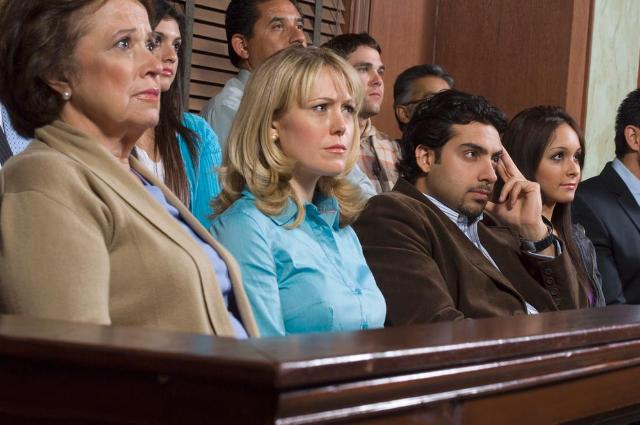
Image Source: depositphotos.com
Texas has a long-standing reputation for taking its legal system seriously, with courtrooms across the state handling criminal cases that can have life-changing consequences for the people involved. When someone is accused of a crime, the outcome often depends not only on the facts of the case but also on how thoroughly the defense is prepared from the very beginning. Waiting until trial is on the horizon to build a strategy can leave critical opportunities unexplored, while a proactive approach allows attorneys to evaluate evidence, identify weaknesses, and anticipate the prosecution's arguments well in advance.
For individuals facing criminal charges, the Law Offices of Tad Nelson exemplifies the value of a defense practice that approaches every case with the discipline, strategy, and courtroom readiness needed to protect clients' rights and futures.
Intake With Purpose
A strong intake meeting is part interview, part triage. Counsel needs dates, names, officer conduct, statements, recordings, and personal details that may affect proof. Small facts often matter later. A client’s timeline can reveal report gaps, missing video, untreated medical issues, medication effects, fatigue, or a witness whose memory may support the defense.
Evidence Is Tested
Police reports are starting points, not final answers. Trial-minded lawyers compare written claims with body camera footage, dispatch logs, photographs, lab notes, and independent accounts. Inconsistencies may appear minor until placed before a jury. That review also shows whether a search issue, expert opinion, or fresh investigation could alter the case.
Science Requires Scrutiny
Technical proof deserves careful pressure. Breath instruments, blood draws, drug testing, field exercises, and chain records all depend on procedure. Counsel must ask who handled samples, when calibration occurred, and whether testing conditions were reliable. Jurors may trust science, yet they still expect proof that each human step was performed correctly.
Motions Shape Leverage
Pretrial motions can change a case before trial begins. A suppression hearing may test police authority, search conduct, or the admissibility of statements. It also places witnesses under oath. Even an unsuccessful motion can produce valuable testimony, because courtroom answers reveal habits, uncertainty, and themes that may matter during cross-examination.
Witness Work Matters
Witness preparation is not scripting. It is the careful review of memory, timing, tone, and courtroom stress. Defense counsel must know what each person can support, where confusion may arise, and which questions may expose weakness. Clear testimony often comes from calm pacing, plain words, honest limits, and a witness who understands the question.
Negotiation Needs Trial Weight
Prosecutors assess witness risk, legal issues, the strength of the evidence, and how jurors may hear the facts. A prepared defense can discuss resolution from a firmer position. That stance does not promise dismissal, but it can move discussions closer to a fair result grounded in actual courtroom risk.
Clients Need Clear Choices
Clients deserve advice that connects law with lived consequences. Trial, plea discussions, motions, and dismissal efforts each carry risk, cost, time, and emotional strain. Good counsel explains likely evidence, punishment ranges, license issues, record concerns, immigration questions, work disruption, housing problems, and family impact. Better decisions follow when courtroom preparation grounds each option.
Local Courtroom Knowledge
Courthouse experience matters because procedure has a human side. Judges manage hearings differently, prosecutors assess files through office habits, and jurors bring community views. Skilled criminal defense lawyers study those patterns without assuming outcomes. That knowledge helps shape witness questions, exhibit choices, argument tone, and client expectations about timing, pressure, likely hearing rhythm, and possible delays.
Results Come From Systems
Strong defense work depends on repeatable habits. Teams track deadlines, request records, review discovery, prepare exhibits, and refine trial themes. Organized systems reduce missed issues and last-minute surprises. They also keep attention on the central question: what proof can the state present, where can that proof be tested, and which facts deserve the most careful framing?
Preparation Protects Judgment
Trial preparation also protects judgment under stress. Criminal cases can move quickly, especially when bond terms, employment, or family duties create pressure. A prepared lawyer can slow the decision process with facts, records, and tested options. That discipline helps prevent fear from driving choices that may affect a person for years.
Conclusion
A defense practice centered on jury-trial preparation treats pressure as part of the work, not an unusual event. Each file receives courtroom analysis from the start, which sharpens investigation, motions, negotiation, and testimony planning. No lawyer can promise a perfect result. Careful preparation can, however, give clients informed choices, stronger challenges, and steadier guidance when freedom, reputation, and family stability are at risk.