Operations | Monitoring | ITSM | DevOps | Cloud

The latest News and Information on CyberSecurity for Applications, Services and Infrastructure, and related technologies.

Internet2's certificate authority (eMudhra) is being distrusted

On Tuesday, October 27, Chrome will distrust an eMudhra root certificate, emSign ECC Root CA - G3. Mozilla already did. Most of the people who have to deal with it run IT at American universities. They get their certificates from InCommon, the certificate service Internet2 runs for higher education. The certificates say Internet2 on them, but since April, eMudhra, an Indian certificate authority, has issued them.
Dispatching Ansible playbooks with CFEngine

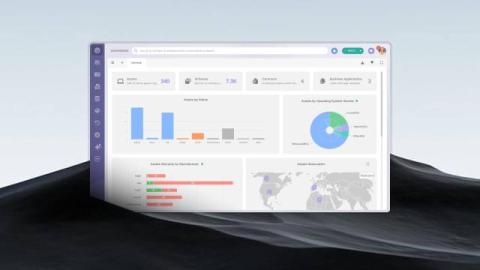
In large organizations and infrastructures, it’s fairly common to use multiple configuration management tools. There are many reasons for this. Different teams may have different preferences, some tools suit certain use cases better than others, and existing systems can come with their own limitations. Whatever the reason, the tools don’t have to work in isolation. In this post, we’ll show how to run Ansible playbooks on CFEngine-managed hosts using Mission Portal.

PHP2Shell: How to Find Vulnerable PHP Versions on Your Devices

Last updated: October 21, 2026. We'll update this article as PHP and Linux distributions publish new information. PHP2Shell is the nickname of two critical vulnerabilities in PHP that let an attacker run code on a web server without logging in. PHP released the fixes on October 21, 2026, and IT and security teams now need to know which of their servers and computers run a vulnerable PHP version, so they can patch those first.

CertKit now has 86 built-in deployment templates

There are lots of ways to get a certificate. Getting it onto your Cisco ISE, IBM i, or WatchGuard VPN is the hard part. We keep making that easier. Since July, CertKit has added 51 new deployment templates, more than doubling the library to 86. Each platform has a built-in deployment template, and most have a deployment guide for the setup details. Setup is just picking a certificate and setting a few variables.

Certificate Lifecycle Management: How to Track, Monitor And Renew Digital Certificates

Certificate Lifecycle Management (CLM) is the process of tracking every digital certificate an organization uses, from the moment it is requested to the day it is retired. IT, infrastructure and security teams look into Certificate Lifecycle Management when they need to stop certificates from expiring unnoticed, keep up with shorter certificate lifetimes and know who answers for each one.

How to Troubleshoot TLS Handshake and Encrypted Traffic Issues with Packet Analysis

I remember the good old days, when troubleshooting application traffic often meant I could examine much of the conversation between a client and server in clear text. Not anymore. Today, nearly everything is encrypted. That is obviously a good thing for security and privacy, but it has also created a common misconception that packet analysis is no longer useful because engineers cannot see the application headers and payload.

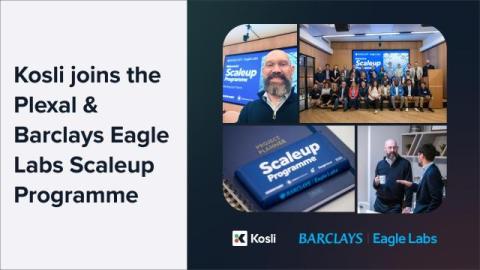
Kosli joins the Plexal & Barclays Eagle Labs Scaleup Programme

Kosli has been selected for the fourth edition of the Scaleup Programme run by Plexal and Barclays Eagle Labs. Following a competitive application process, we’re one of 25 high-growth UK technology companies chosen to take part. The programme is built for companies where growth for scaleups starts to present new challenges, with particular focus on scaling commercial performance, customer expansion, funding, and capital planning.

Unable to get local issuer certificate, explained

Your site loads in Chrome fine. Then a deploy script, a webhook, or integration calls the same URL and gets this: Python says certificate verify failed: unable to get local issuer certificate. Node says unable to get local issuer certificate, or unable to verify the first certificate. It’s all the same problem. It’s a misconfiguration between your certificate and a trusted root. Either the server isn’t sending it, or the client doesn’t have it.

YouTube Let AI Prototypes Read Production. The Token Did the Work.

TL;DR: Google Cloud’s post of 22nd July 2026 on why AI apps fail in production describes how a YouTube team gets AI prototypes in front of user research in weeks instead of quarters: a prototyping stack that hands each prototype read-only access to live production data through a proxy, keeps its code out of the production binary, and throws the prototype away once the idea is proven.

Antivirus scanning with CFEngine and ClamAV

Is the antivirus on your servers working correctly right now? Installing ClamAV takes a single command. The hard part is keeping it running on all servers, since freshclam fails without indicating a problem, cron jobs disappear, and no one notices until an audit. The new ClamAV module deals with this by ensuring that ClamAV remains operational on all hosts and also indicates to you in the Mission Portal when it isn’t.