Operations | Monitoring | ITSM | DevOps | Cloud

The latest News and Information on Monitoring for Websites, Applications, APIs, Infrastructure, and other technologies.

Performance tuning with SQL Monitor: tempdb usage, parameter sniffing, and blocking chains

Looking to level up your performance tuning game? Check out three new videos on tempdb, unstable query plans, and identifying blocking chains with SQL Monitor. I got to work with some of my favorite folks from the SQL Monitor team last week to build some new workload patterns for our online monitoring demo site. Here are three videos sharing some highlights of performance tuning features in SQL Monitor.

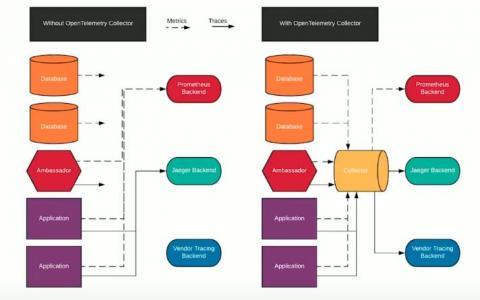
Elastic Cloud Terraform provider now available in beta

We’re excited to share that the official Elastic Cloud Terraform provider is now available in beta. Operations and SRE teams often rely on Terraform to safely manage production-related infrastructure using methodologies such as infrastructure as code, which allows you to apply peer-reviewed infrastructure changes in an automated and controlled fashion. The provider works with Elasticsearch Service on Elastic Cloud, Elastic Cloud Enterprise, and Elasticsearch Service Private environments.

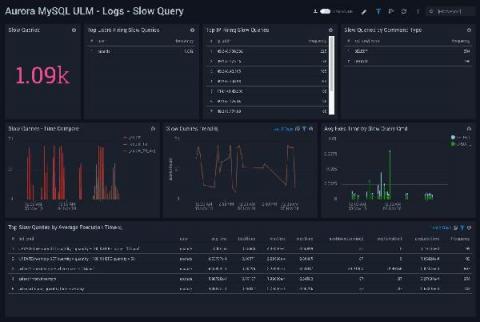
How to monitor Amazon Aurora RDS logs and metrics

Aurora, a hosted relational database service available on the Amazon cloud, is a popular solution for teams that want to be able to work with tooling that is compatible with MySQL and PostgreSQL without running an actual MySQL or PostgreSQL database. In order to leverage Aurora’s benefits fully, it’s critical to log and analyze the various types of monitoring data that are available from an Aurora environment.

Tracking Remote Employees' Work Hours with Virtual Server Monitoring

With more people working from home due to the COVID-19 crisis, businesses of all sizes need to know when their employees are working. You need an effective way to track working hours and know what your employees are doing while they are working. One effective way to do this without having to invest in an expensive online time tracking system for employees is by using server monitoring software and file monitoring software.

How InfluxDB IOx Manages the Data Lifecycle of Time Series Data

Last month we announced InfluxDB IOx (pronounced: eye-ox), a new Rust and Apache Arrow based core for InfluxDB. While InfluxDB IOx is a columnar database built on top of object storage, that’s only part of its role. In addition to query functionality, one of the big goals of InfluxDB IOx is to help manage the data lifecycle for time series data. This post will cover the design for how InfluxDB IOx plans to manage that data lifecycle.

Smoothing the Bumps of Onboarding Threat Indicators into Splunk Enterprise Security

This blog is part two of Splunk's Sunburst Backdoor response aimed at providing additional guidance to our customers (you can read part one, "Using Splunk to Detect Sunburst Backdoor," by Ryan Kovar). In this blog, we’ll cover how to ingest threat indicators to combat Sunburst Backdoor in Splunk Enterprise Security (ES).

Recover Lost Visibility of IT Infrastructure With Splunk

The news of the “Sunburst Backdoor” malware delivered via SolarWinds Orion software has organizations choosing to shut down Orion to protect themselves. This includes several U.S. government organizations following the recent CISA guidance. If you are considering a similar response in your own environment, a critical next step is quickly restoring the lost visibility to the health and operations of your infrastructure.

Genesys + Splunk = Complete Control Over Your Contact Center

Genesys is one of the world’s leading Contact Centre platforms, offering their customers the ability to deliver superior experiences. Genesys offers a range of solutions which cover SaaS, multi-cloud, and on-premises options to cater for all of their customer requirements. Splunk is traditionally known for helping customers with challenges around IT monitoring and security requirements regardless of whether they are running an on-premises datacenter or have a cloud first approach.