Operations | Monitoring | ITSM | DevOps | Cloud

The latest News and Information on Incident Management, On-Call, Incident Response and related technologies.

What is DORA and how AIOps facilitates compliance

The Digital Operational Resilience Act (DORA) is a European Union (EU) regulation that requires financial institutions to improve their digital operational resilience. DORA creates a uniform regulatory framework across the EU to strengthen the European financial market against cyber risks and IT incidents.

How BigPanda allows Sony to proactively manage IT incidents

Ben Narramore, Director of Global Operations and Service Management at Playstation, discusses how BigPanda AIOps enables Sony’s Incident Management teams to move from reactive firefighting to proactive investigation. To learn more, watch the full webinar on How Sony expanded AIOps insights to Incident Management teams.

What is ITSM? A comprehensive guide to IT service management

When your IT team is buried in tickets, struggling with shadow IT, and constantly putting out fires, it can feel frustrating and unsustainable. That’s where IT Service Management (ITSM) comes in. ITSM gives you a plan to deliver reliable IT services while helping teams focus on what matters most: driving business success. It covers everything from handling incidents and requests to improving workflows and providing consistent value. ITSM aligns your IT team with business goals.

Supercharge Innovation Velocity by Eliminating Operational Chaos

Incident management has long relied on ITSM systems designed to handle incidents through a structured ticketing queue, with a focus on compliance and data integrity. While this method brings consistency, it often slows down response times and forces teams into a reactive mode during major incidents. This outdated and fragmented approach creates inconsistencies, as automation tools are inconsistently applied and lack a unified management system.

Feature Spotlight - Failsafe Devices

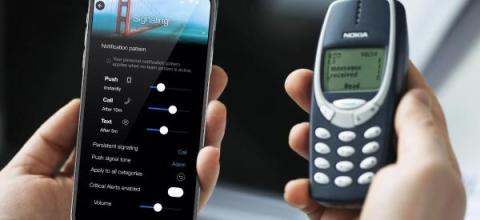
Incident notifications are always time sensitive, so it’s crucial that teams and resolvers are set up to receive them. When an alert is sent to a group you belong to that uses failsafe devices, you can still receive the notification even if you don’t have any devices with an active timeframe. You can choose which device is used as a failsafe, giving you an extra layer of reassurance that you’ll never miss an important notification when it matters.

Automated incident response: Why it matters and where it's headed

Incidents happen. Whether it’s a service outage, degraded performance, or an unexpected spike in errors, things will go wrong. The question isn’t if incidents will occur—it’s how quickly and effectively you can respond when they do. For years, incident response has been a mostly manual process: someone gets paged, scrambles to investigate, loops in the right people, and after some firefighting, hopefully resolves the issue before too many customers notice.