Operations | Monitoring | ITSM | DevOps | Cloud

The latest News and Information on Containers, Kubernetes, Docker and related technologies.

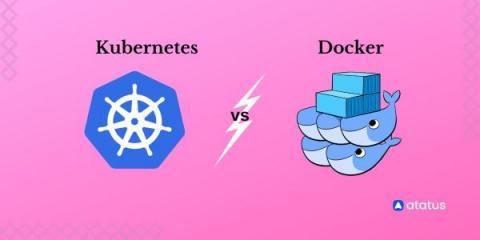
Docker vs Kubernetes

Docker is a PaaS product, developed by Docker.Inc to containerize applications. It does so by combining app source code with OS libraries and dependencies required to run that code in any environment. Kubernetes is a similar tool developed by Google, which scales up this containerized application after deployment. While one works in building the containers the other essentially helps in scaling it up, then why so much buzz around these two?
Kubernetes Audit Logs - Best Practices And Configuration

Kubernetes is the de facto leader of container orchestration tools. With the growing popularity of micro-service-based development, Kubernetes emerged as the go-to tool to deploy and manage large-scale enterprise applications. However, with the plethora of features offered by Kubernetes, it is a complex tool to manage and operate. This article will focus on how to configure Kubernetes Audit Logs so that you can have the records of events happening in your cluster.

Edge Computing Explained

Data is becoming increasingly essential to businesses globally, allowing for insights to be gathered around critical processes and operations. Over time, the traditional systems put in place to hold our data have become unsuitable for modern-day needs due to the continuous growth of data. Edge computing has emerged to reshape the current computing environment and allow data to be processed closer to where it’s being generated.

Stress test your Kubernetes application with Speedscale's offering in the Datadog Marketplace

Properly testing a service’s APIs to ensure that it can handle production traffic presents many challenges for engineers—SREs need to guarantee the resiliency of their application, while developers must ensure that their features perform well at any given scale. Speedscale is a testing framework built for Kubernetes applications that enables you to load test with real-world production scenarios by replaying actual API traffic that your application has experienced.

Ensure your Kubernetes workloads are achieving their full potential with Splunk Observability

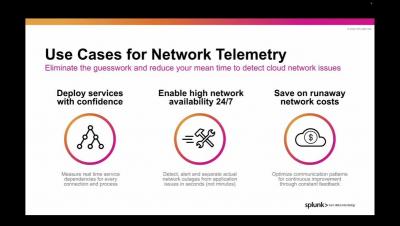
Kubernetes provides a strong foundation for delivering containerized services. While these capabilities can extend your application’s potential, the platform also introduces new dynamics not present in traditional host-based services. See first hand how Splunk’s Observability platform provides infrastructure monitoring views, to ensure the pods and containers delivering your workloads are continuously monitored and well understood.

7 Essential Factors When Choosing Platform Engineering Solution

The trend of Platform Engineering is now gaining momentum, which analysts and industry experts refer to as one of the most disruptive philosophies of the moment. But regardless of experts’ predictions and assumptions, what matters for organizations today is understanding what adopting an approach such as Platform Engineering actually entails, what a successful solution looks like, and how to adopt best practices for its implementation. That's what this article is about.

One Click Visibility: Coralogix expands APM Capabilities to Kubernetes

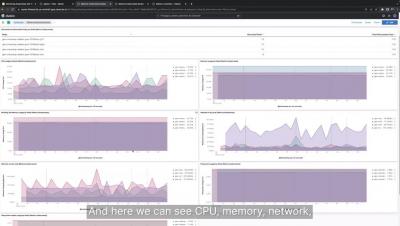
There is a common painful workflow with many observability solutions. Each data type is separated into its own user interface, creating a disjointed workflow that increases cognitive load and slows down Mean Time to Diagnose (MTTD). At Coralogix, we aim to give our customers the maximum possible insights for the minimum possible effort. We’ve expanded our APM features (see documentation) to provide deep, contextual insights into applications – but we’ve done something different.