Learning about Kubernetes Service Mesh with Solo.io - Civo.co
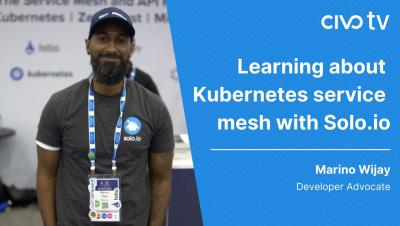
@Kunal Kushwaha speaks with Marino Wijay from @solo.io about their experience at KubeCon + CNC NA 2022.


The latest News and Information on DevOps, CI/CD, Automation and related technologies.
Your release management process is one of the most critical processes in your organization’s toolkit. An excellent release management process can accelerate software release workflows, allowing your team to deliver software consistently and predictably and ensuring that your customers have an optimal brand experience. But release processes can have weaknesses that slow your team down and can even introduce risk to every release.
Google Kubernetes Engine (GKE) is a managed Kubernetes service that enables users to deploy and orchestrate containerized applications on Google’s infrastructure. Datadog’s GKE integration, when paired with our Kubernetes integration, has always provided deep visibility into the health and performance of your clusters at the node, pod, container, and application levels.
The health management APIs in Netdata allows teams to eliminate unnecessary alerting during scheduled maintenance, testing, auto scaling events, and instance reboots. For all SREs, it is absolutely crucial to filter out expected events during maintenance windows and quickly pinpoint critical issues in your infrastructure. Every minute is crucial while dealing with troubleshooting issues and any distractions that may hijack the troubleshooting process should be subdued.
Everyone’s talking about Platform Engineering these days. Even Gartner recently featured it in its Hype Cycle for Software Engineering 2022. But what is Platform Engineering really about? Is it the next stage in the evolution of DevOps? Is it just a fancy rebrand for DevOps or SRE? As a veteran of the PaaS (Platform as a Service) discipline about a decade ago, and a DevOps enthusiast at present, I decided to delve into this topic, peel off the hype, and see what it’s about in practice.