The latest News and Information on Incident Management, On-Call, Incident Response and related technologies.
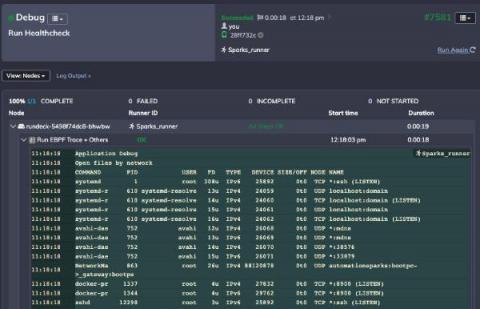
In our previous blogs on Capturing Application State and using Ephemeral Containers for Debugging Kubernetes, we discussed the value of being able to deploy specific tools to gather diagnostics for later analysis, while also providing the responder to the incident the means to resolve infrastructure or application issues.
Legacy systems and point solutions are part of any business. And while they have their history and benefits, it’s critical to find a balance for your organization. IT teams have been acclimated to disparate event management and monitoring tools. Now, with massive and rapidly increasing data flow, this disconnect is slowing and paralyzing IT teams.
The threat and security landscape is becoming increasingly cluttered. As incidents increase, so do alerts and notifications, leading to too many alerts and too few hours to address them. Many businesses work remote and with the ever-present smartphones, we are always on the go. Yet it is essential that security teams receive and prioritize meaningful threats, but that task is easier said than done.
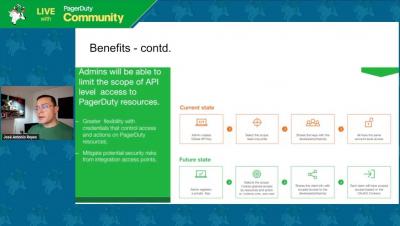
The PagerDuty REST API provides 200+ endpoints for users to programmatically access objects and workflows in the PagerDuty platform. Teams leverage these APIs to streamline creating and managing users, teams, services and other components for their environment. Up until now, access to the REST API has been authorized and authenticated via API Keys.
.Organizations in every industry continue their transition to cloud services, and while this may be a step forward in general, it does bring with it its own unique set of challenges. Cloud use, and in particular CloudOps, relies on a complex and intricate infrastructure which is difficult to manage and maintain, and it's a critical part of keeping a business' networks functioning. This makes finding a way to simplify the use of CloudOps a top priority for many businesses, but does a solution exist?
The number of tools used by distributed teams to manage incidents has multiplied over the years, leading to a valley of tool sprawl. Throw in manual processes and you’ve got too much toil and multiple points of failure. Maintaining disparate tools and systems isn’t just unwieldy, it’s expensive. Our latest capabilities add to the PagerDuty Operations Cloud to make it easier than ever for teams to consolidate their incident management stack.
“By failing to prepare, you are preparing to fail. Preparation prior to a breach is critical to reducing recovery time and costs.” (RSAConference) For 83% of companies, a cyber incident is just a matter of time (IBM). And when it does happen, it will cost the organization millions, coming in at a global average of $4.35 million per breach. The damage isn’t only financial, nor solely related to customer loyalty and brand equity.
Over the past year, Spike.sh social media activity has been null. As a bunch of shy nerds in a small team working remotely across the world, we really never bothered with social media and our presence on it. We always kept our heads low and maneuvered around it. But no more. As of today, we are coming back on social media channels like LinkedIn, Twitter, and Reddit as well.