Operations | Monitoring | ITSM | DevOps | Cloud

Finding performance wins in our own traces with a coding agent

For the last few weeks I’ve used a coding agent to find and fix backend performance issues in Sentry, starting from the traces Sentry sends to itself. Most of the fixes only changed a line or two. But together, they removed hundreds of millions of queries a week, and some expensive lookups became hundreds or thousands of times faster (more details on that below).

Evaluate your AI agents with Fireworks AI models in Datadog Agent Observability

Teams that build agents on open models hosted on Fireworks AI, such as GPT-OSS, Kimi, GLM, Qwen, and MiniMax, need a reliable way to measure whether their LLM applications and agents are giving accurate, safe, and helpful answers efficiently. Datadog Agent Observability now supports Fireworks AI as a model provider, so you can get end-to-end visibility into your agents built on Fireworks AI, from traces and token usage to quality evaluations.

When Does Insight Become Guided Action?

AI can already tell operations teams what is wrong. The harder part is everything between knowing and doing. Skylar is closing that gap through guided action: recommendations grounded in live operational context, reviewed by the right owner, and connected to governed execution. In many post-incident reviews, the surprising moment is not when the team finally understood the problem. It is when they realize how long the organization waited after it already knew enough to act.

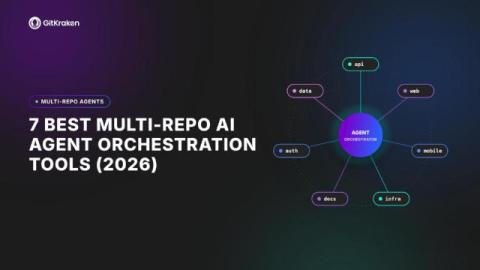
7 Best Multi-Repo AI Agent Orchestration Tools (2026)

Running multiple AI coding agents in parallel across repositories sounds like a productivity multiplier. In practice, it creates a coordination problem: conflicting file edits, orphaned branches, and zero visibility into which agent finished what. AI coding agent orchestration tools exist to solve exactly this, and Kepler by GitKraken gives you one surface to direct every agent from backlog to merged pull request. This guide compares seven tools built for multi-repo, multi-agent development workflows.

Honeycomb Team Agents: AI SRE Done Right

The best alert is the one that never fires. Picture an idyllic Tuesday afternoon: last night's release nudged checkout p99 up 41%, but an agent noticed. Nobody got paged, and your SLOs didn't start burning. Instead, the agent acted and already narrowed it down to one retry change. It filed a ticket for the Payments team and flagged the PR. By the time anyone would have noticed, the fix is in review. That's what SRE was always supposed to feel like.

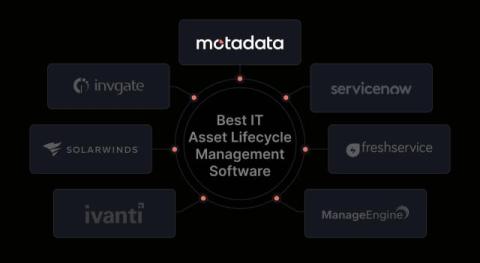
7 Best IT Asset Lifecycle Management Software in 2026

If your IT team struggles to track devices, software licenses, warranties, and contracts, managing assets can become difficult. IT asset lifecycle management software helps you track every asset from purchase to retirement. It gives your team a clear record of: However, tools differ in their discovery methods, lifecycle workflows, license tracking, deployment options, and pricing. In this guide, we compare 7 IT asset lifecycle management software tools based on their features, limitations, and pricing.

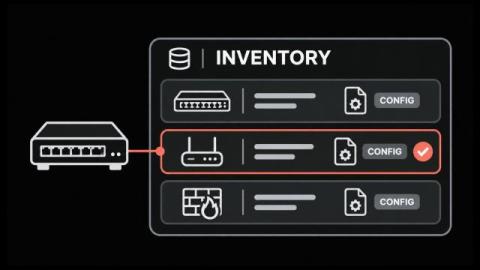
Network Inventory Management: How to Track Every Device and Config

How many devices are on your network right now? The usual answer is “check the spreadsheet”, and nobody is quite sure which copy is current. That's awkward during an outage and worse during an audit, or on the day a vendor advisory asks which switches run a vulnerable firmware build. Network inventory management retires that spreadsheet. In its place, you get a record that changes when the devices do, with hardware, addresses, VLANs and every router and switch config in one place.

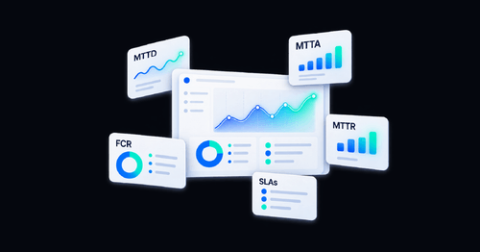
Incident Management KPIs: The Metrics Your IT Ops Team Should Track

Incidents are inevitable. Spending three meetings arguing over whether your incident management process is actually improving is slightly more avoidable. Either way, avoiding adverse conditions begins with one element: consistent measurement. For most teams, a handful of incident management KPIs provide a reliable picture of performance from the moment something goes wrong through to final resolution.