The latest News and Information on Monitoring for Websites, Applications, APIs, Infrastructure, and other technologies.
Welcome back! In the previous blog, we discussed with our panelists Carlos Casanova, Forrester principal analyst, and Gowrisankar Chinnayan, who heads product management at ManageEngine, why organizations should adopt AIOps, and the challenges they face. Let’s start by acknowledging the increasing interest in AI. More enterprises are adopting AI-based solutions as they discover how AI can help manage IT operations.
Observability tools have traditionally focused on capturing and analyzing log data to improve application performance monitoring and security. Data observability turns the focus back on the data to improve data quality, tune data infrastructure and identify problems in data engineering pipelines and processes. “Data analysts and business users are the primary consumers of this data,” said Steven Zhang, director of engineering at Hippo Insurance.
We here at Honeycomb really like OpenTelemetry and goodie bags, so we have a nice little OpenTelemetry-flavored holiday goodie bag to share with you before you’re off for the holidays!
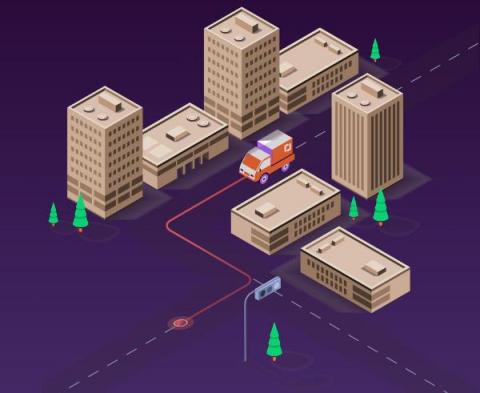
Learn how Locus uses advanced synthetic monitoring from Checkly to ensure the reliability of its Dispatch Management Platform Locus.sh is a leading-edge technology company solving one of the most challenging global supply chain problems: last-mile logistics. Locus' order-to-delivery dispatch management platform helps enterprises transform their last-mile logistics operations into growth centers.
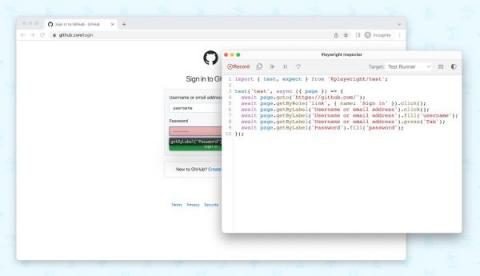
Testing applications behind a login flow is cumbersome. And it gets even worse when there’s two-factor authentication (2FA) involved. Many people work around this problem by disabling it or implementing wild hacks. Automating a 2FA-based login flow is just too hard! I thought that for a long time, too. But I must admit — I was wrong.
Fact: The Security Operations team at Grafana Labs loves logs. They are a key pillar of observability for many reasons, such as how they are stuffed full of details to help us diagnose the “why?” when things go wrong. This is especially true when the information pertains not to a series of unfortunate events, but instead to an adversary trying to cause us harm.